Federal Emergency Management Agency
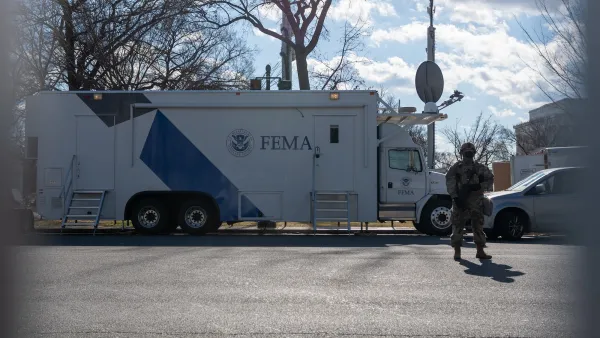
Judge Says FEMA Can’t Withhold Grant Funds Under ‘Arbitrary and Capricious’ Conditions
The decision favors a coalition of 12 states that sued the Trump administration over new conditions for disaster recovery and emergency relief funds.

Modular Homes Offer ‘Dignified’ Shelter for Maui Wildfire Survivors
FEMA is replacing traditional trailers, which quickly deteriorate and are unfit for long-term habitation, with modular, fire-resistant homes designed to last.
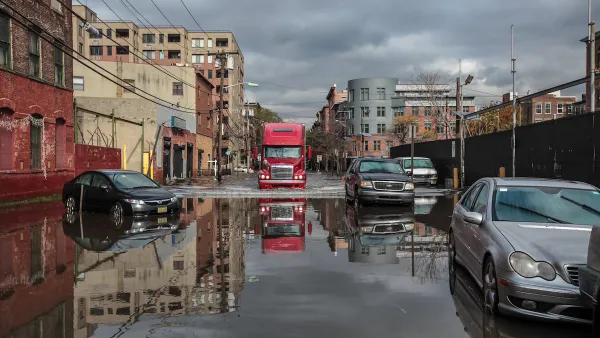
FEMA Resilience Program Cuts Grant Funding
The Building Resilient Infrastructure and Communities program funded projects from flood prevention to power station upgrades.
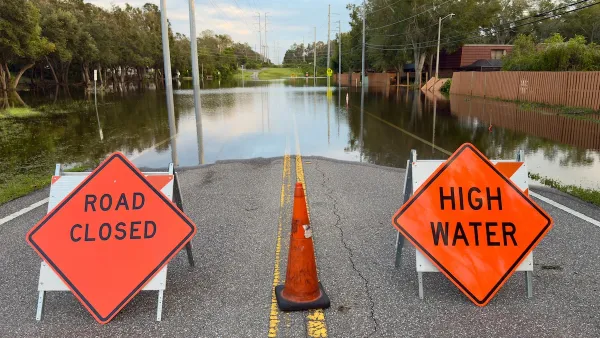
FEMA Suspends Flood Rebuilding Standard
The rule was designed to prevent the rebuilding of government-funded projects in areas prone to repeated floods.
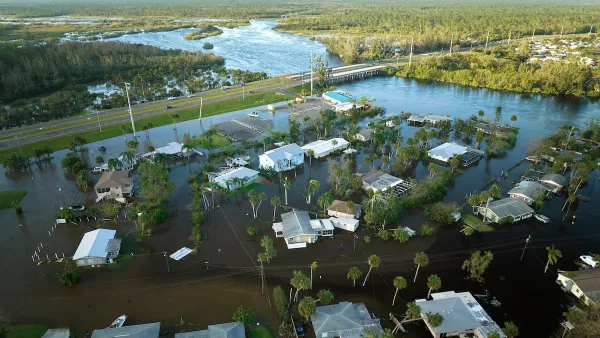
Research Shows White Communities Gain Affluence After Climate Disasters
People of color and lower-income residents tend to lose wealth despite the stated goals of federal assistance programs to restore communities impacted by disasters.
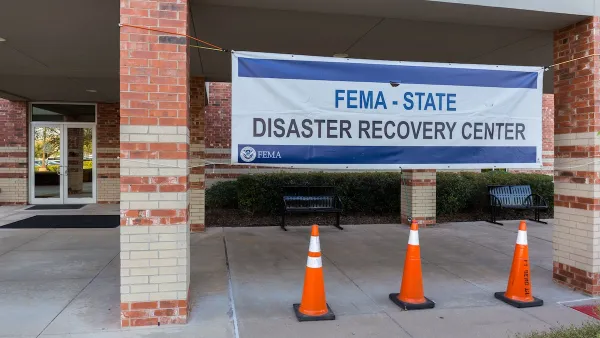
Proposed Bill Would Expand Federal Disaster Relief
The legislation acknowledges the impact of cumulative damage and expands access to funds for communities adjacent to storm-hit states.
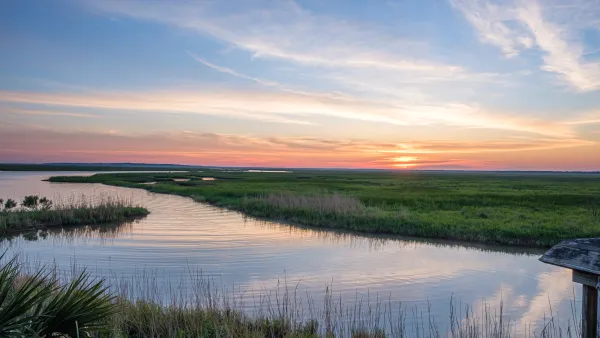
FEMA Flood Mitigation Assistance Grant to Fund Marsh Restoration
The grant to fund a marsh restoration project in coastal Louisiana is the first of its kind under FEMA’s Flood Mitigation Assistance program, which is typically used to elevate, acquire, or relocate homes or floodproof businesses.
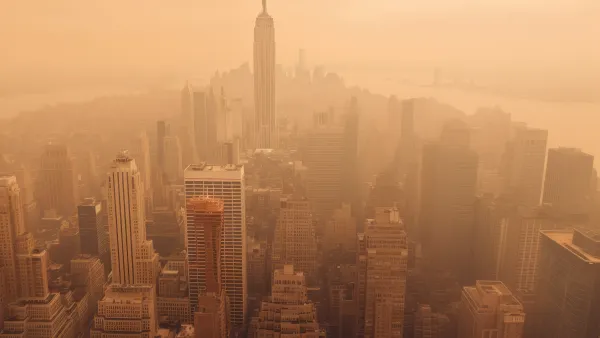
State AGs Call for FEMA to Classify Extreme Heat, Smoke as ‘Major Disasters’
State and local officials say explicitly naming heat and wildfire smoke would give local agencies more certainty in developing their mitigation strategies.
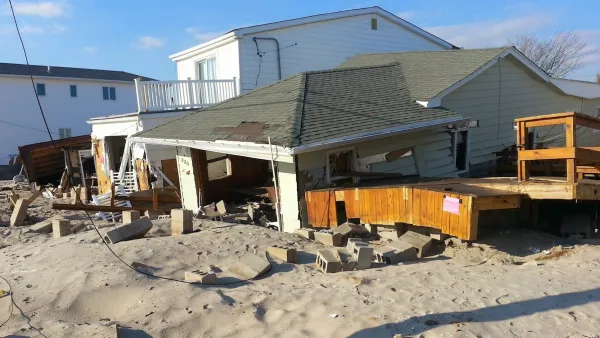
FEMA Rule Calls for Updated Flood Modeling
Agency-funded projects will be required to be elevated at least 2 feet above the projected local flood level.
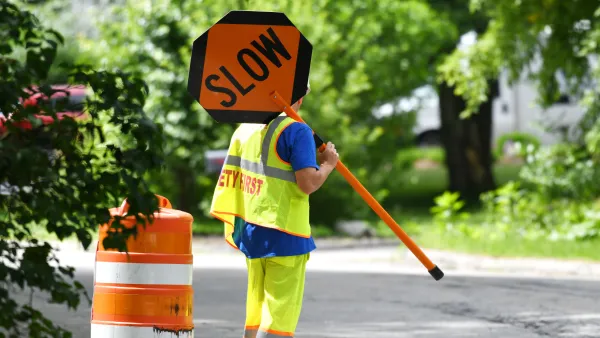
New Orleans Faces $1 Billion Shortfall for FEMA-Funded Roadwork
After years of delays, cost overruns, and deadline extensions on a FEMA-funded street repair program, New Orleans officials face a massive funding shortfall and accusations of mismanagement.
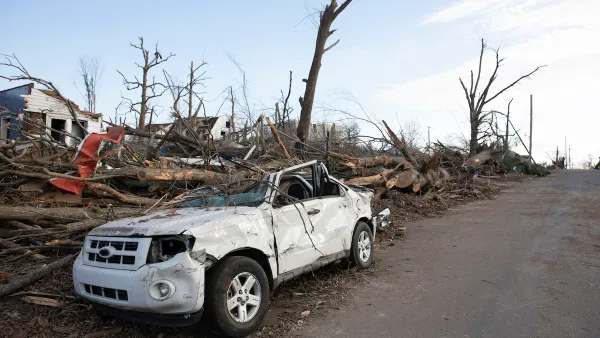
The Growing Role of Federal Government in Disaster Relief
As flooding, fires, and other disasters become more destructive, an effective response requires more resources than local governments can offer.
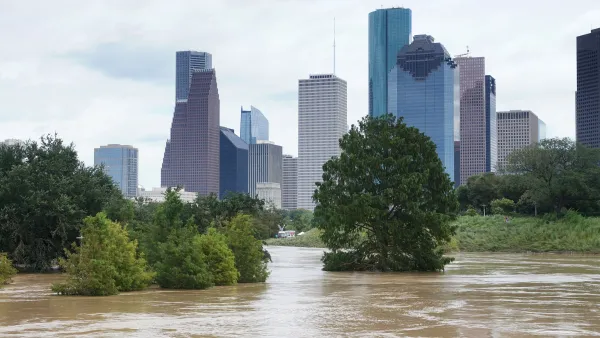
FEMA Reforms Disaster Assistance Rules
The changes make it easier for households facing evacuation to access relocation funds.

FEMA Climate Resilience Loans Target Small Communities
A new loan program reduces the bureaucratic hurdles to implementing small-scale climate adaptation projects.
Houston-Area Flood Insurance Costs Eat Into Region's Affordability
A reorganization of FEMA’s flood insurance program will mean increases in insurance costs for coastal homeowners.
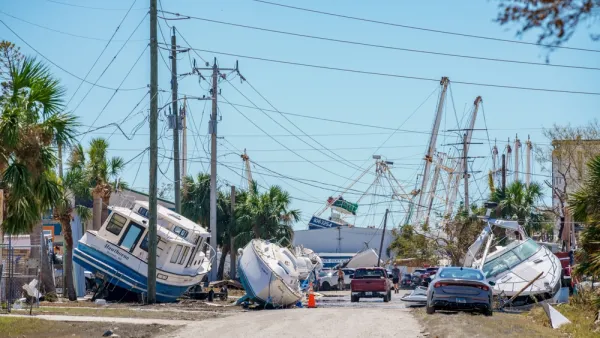
Hurricane Ian: When to Evacuate?
The New York Times reported on September 30, two days after landfall, that the order to evacuate from Lee County, where more than half of all Florida deaths due to Hurricane Ian occurred, came later than the county's emergency plan required.
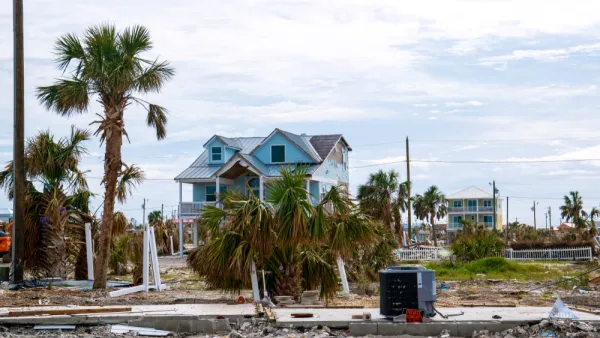
FEMA Flood Insurance Updates Reflect Actual Risk to Each Home
Changes to how FEMA calculates flood risk will assess risk at a home-by-home level, rather than estimating the same risk to all homes in the same floodplain.
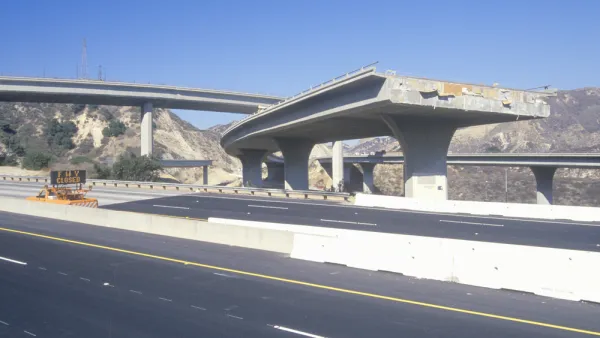
Los Angeles County the Riskiest Place in the U.S., FEMA Says
The new National Risk Index calculates the brutal equations of natural disasters.
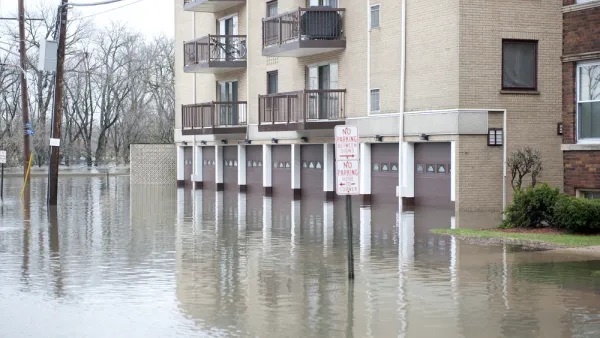
New Study Reveals Massive, Unaccounted Flood Risk
The Federal Emergency Management Agency undercounts the humber of homes at substantial risk of flooding by some 70 percent, according to a report released this week.
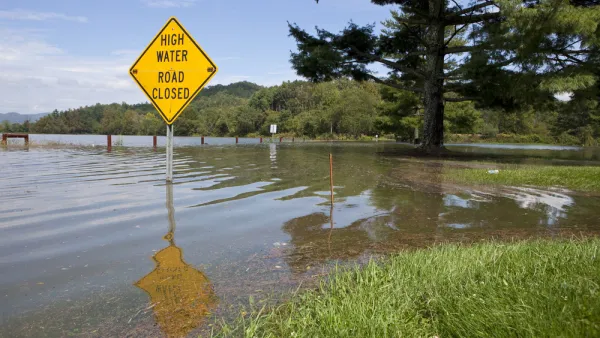
Where Cities Flout Flood Protection Rules, the Public Still Subsidizes Insurance
An investigation by the New York Times reveals the ongoing neglect of flood considerations in developing parts of the United States—practice that comes with large costs to the taxpaying public.
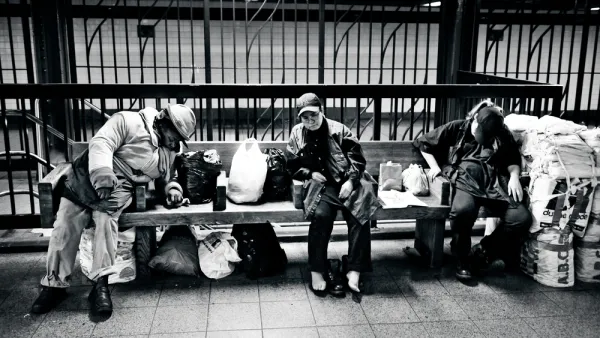
The Crisis Within the Crisis: Homelessness and Housing Pushed to the Brink by COVID-19
Cities, states, and the federal government are trying to prevent a repeat of 2008 while still facing the challenges of inequality and poverty that grew out of the previous recession.

FREE Course: Walkable City 1: Why Walkability?
After describing his path towards focusing on walkability as the essence of good planning, Jeff Speck marches through his five principal reasons for making more walkable places.
Reinventing Malls: Planning Alchemy—Turning Gray Fields Into Gold
The course focuses on the opportunities and imperatives that shape reinvention of mall sites.

City of Rosemead
Rutgers University, Edward J. Bloustein School of Planning and Public Policy
One Hundred Miles
University of Michigan School for Environment and Sustainability (SEAS)
Hunter College, City University of New York (CUNY)
The Architects Foundation
City of Cambridge
Montrose County
The Pocatello Development Authority









