Wildland-Urban Interface
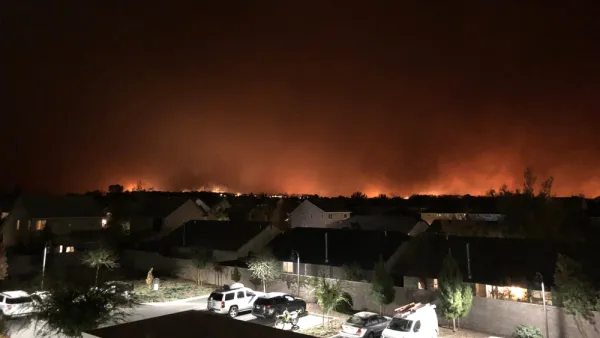
Poll: The Public Supports Development Limits in California's Wildfire Areas
An idea that is gaining support with the public as the state of California suffers through catastrophic fire season after catastrophic fire season is still a deeply difficult political proposition.
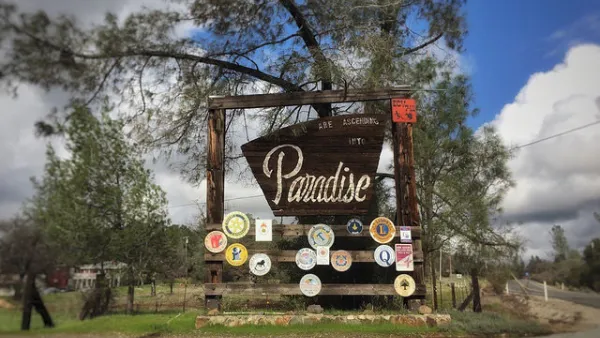
Rebuilding Paradise: Time to Consider Sewers
Paradise is the largest incorporated city west of the Mississippi River lacking a public sewer system. The town of of 27,000 relies on septic systems, now potentially damaged. Without sewers, multi-family housing construction becomes more difficult.
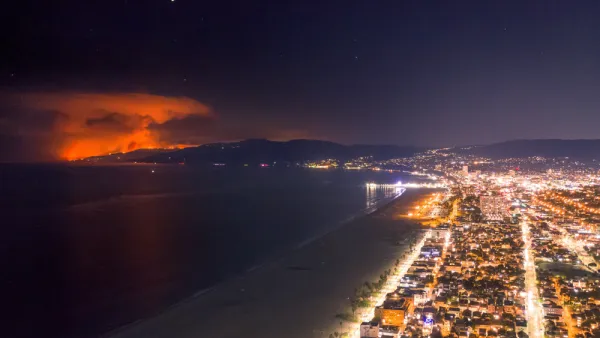
California Fire Chief: Consider Ending Development in Fire Prone Areas
When will California listen to the experts and stop building in fire prone areas? Not today.
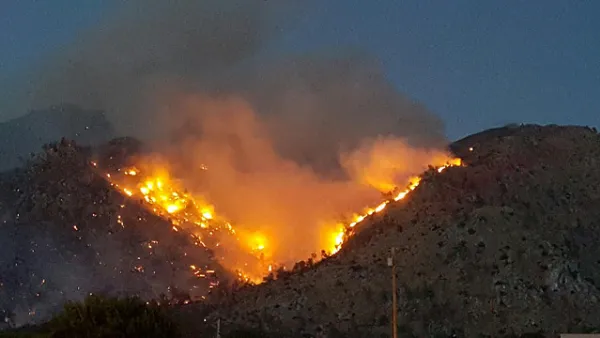
In California, Policies Spur Rebuilding in the Wildland-Urban Interface
After the worst wildfire season ever, changes to local land use and state insurance rules essentially ensure that the same thing will happen again.
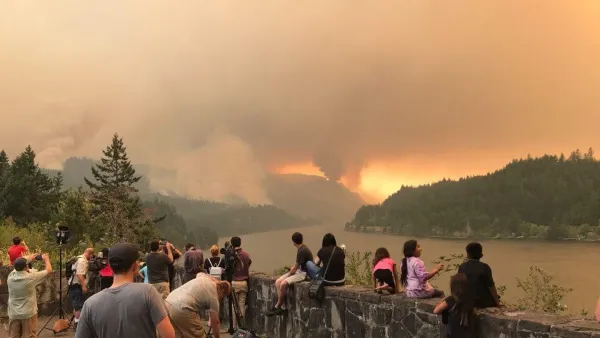
How the West Got Bigger, Badder Fires
Two new books chronicle the origin of U.S. policy on wildfire, the damage that policy has done, and why it’s unlikely to change any time soon.
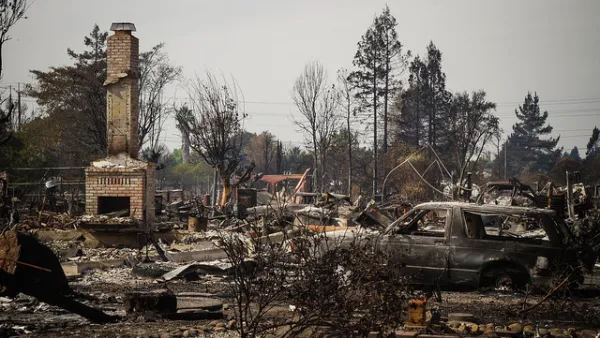
Debating the Future of Development in California's Fire Prone Areas
With the state of California in the grips of its most destructive year of wildfires ever, policy makers are pondering questions about whether it is appropriate to rebuild in places at high risk of burning again.
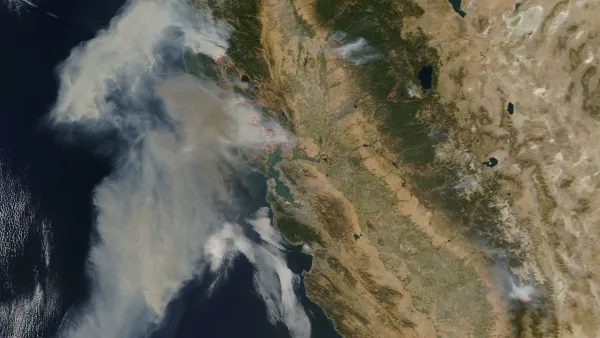
Can We Know Which Homes in California Will Burn?
As the state's worst wildfire season ever refuses to end, an analyst from UCLA considers how land use and building codes determine the location and extent of the damage.
Wine Country Wildfires Put Focus on Wildland-Urban Interface
The fires in Northern California have caused at least 21 deaths, with over 500 people missing in Sonoma County. Wired science editor, Adam Rogers, looks at the problems posed when urban development encroaches wildlands.
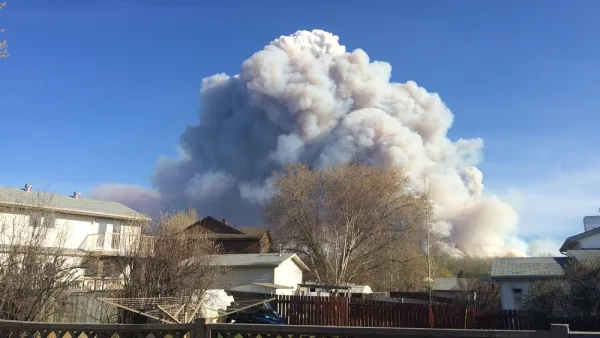
What Goes Together? Sprawl and Destructive Wildfires
Wildfires tend to start at the Wildland-Urban Interface: those border zones between cities and the open land surrounding them. Keeping the lid on sprawl, it can be argued, would tame the inferno.
Strategic Land Use Planning Could Lower the Cost of Wildfires
New research says land use patterns have increased the costs of wildfire protection, so strategic land use planning would help lower the costs of wildfire protection.
More Americans Living Next Door to Fire Danger
A summer of drought and devastating fires has demonstrated the dangers of allowing residential developments to sprawl ever farther into wild, natural environments.

FREE Course: Walkable City 1: Why Walkability?
After describing his path towards focusing on walkability as the essence of good planning, Jeff Speck marches through his five principal reasons for making more walkable places.
Reinventing Malls: Planning Alchemy—Turning Gray Fields Into Gold
The course focuses on the opportunities and imperatives that shape reinvention of mall sites.

City of Rosemead
Rutgers University, Edward J. Bloustein School of Planning and Public Policy
One Hundred Miles
University of Michigan School for Environment and Sustainability (SEAS)
Hunter College, City University of New York (CUNY)
The Architects Foundation
City of Cambridge
Montrose County
The Pocatello Development Authority









