VMT

Vehicle Miles Traveled Hits Record; Fuel Efficiency Decreasing Too
New figures from the Federal Highway Administration show no abatement in increasing vehicle miles traveled (VMT). While low oil prices have been beneficial for the environment on the production end, it is wreaking havoc on the consumption side.
Debate: When Should California Switch to VMT to Measure Development Impacts?
In an effort to shift from car-centric planning and incentivize eco-friendly transportation options, California is revising the way it measures traffic impacts of development projects under its Environmental Quality Act.
Traffic Deaths Soar—Is Cheap Gas a Culprit?
An August 17 press release from the National Safety Council indicates the United States is on track to exceed 40,000 road deaths this year, the highest since 2007. A January NPR report links the spike to decreased gas prices.
Bay Area Leads the Nation in Reducing Solo Commuters
According to the Census Bureau's American Community Survey on commuting to work, one subregion in the Bay Area can claim accolades for having achieved the largest drop in solo-commuting from 2006, scoring the third lowest drive-alone rate in 2013.
Can California Cut Oil Use in Half by 2030?
A bill working its way through the California State Legislature would require the state to reduce petroleum its consumption by half in 15 years. CALmatters, a nonprofit journalism venture, seeks to find out if it is even possible.
Latest FHWA Data Shows Vehicle Miles Traveled Continue to Increase
Those who thought peak VMT was in the rear view mirror will be disappointed in new data from the Federal Highway Administration.
Record Memorial Day Travel Due to Low Gas Prices, Improved Economy
In addition to record travel this Memorial Day, the U.S. DOT reports that March broke the record for the most vehicle miles traveled (VMT). Gas prices, though rising since late March, are predicted to drop and remain low through the end of 2015.
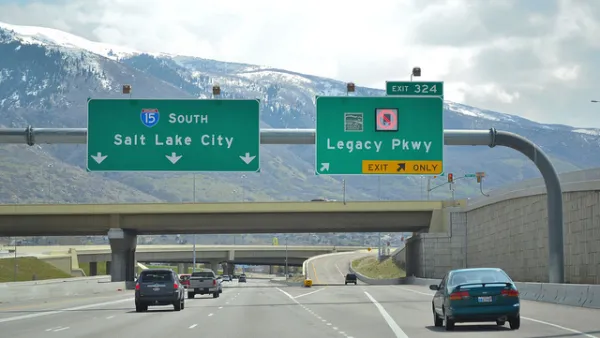
Is Travel Behavior Changing? What the New Data Says
Over the past few weeks, the Federal Highway Administration released new data reporting annual 2014 travel levels, and analysts are busy interpreting and, in some cases, spinning the results.
State-Level Data Reveals Earlier Peak Driving than Previously Thought
With implications on the narrative of peak driving and on the economic forces that drive the country, a new study reveals that some statewide populations began driving less as early as 1992.
Significant Jump in California Driving
Mirroring a previously reported increase in gasoline consumption in California, the vehicle miles traveled increase over last year is the largest in a decade. The reasons are the same: cheaper gas and an improved economy with more people working.
A New Era in California for Evaluating Transportation Emissions
An appellate court's rejection of SANDAG's $200 billion sustainable communities plan holds far-reaching implications for how regional planners evaluate greenhouse gas emissions from transportation to meet SB 375 requirements to the year 2050.
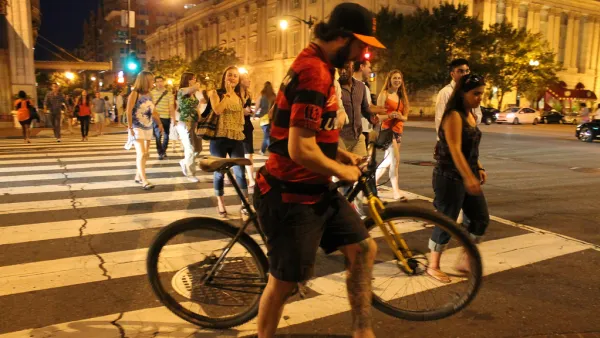
If Millennials Drive Less, it's Not All a Matter of Taste
Bill Fulton writes for CP&DR that while some Millennials may be driving less because they've chosen urban, transit-friendly lifestyles, many more young people are driving less simply because they can't afford to.
California's Proposed Traffic Impact Rules Rethink Congestion
California planning expert Bill Fulton discusses a long-awaited proposal from the Governor's Office of Planning and Research that would shift the state's traffic impact assessments away from their current focus on traffic congestion.
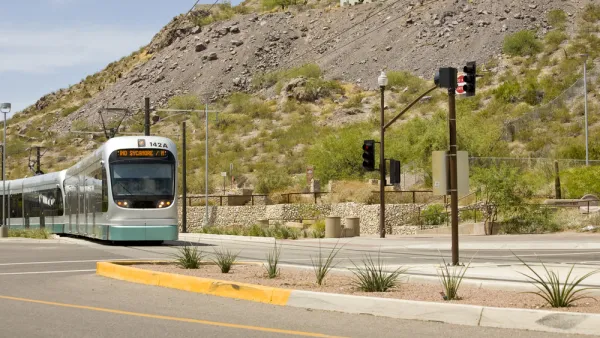
Arizona Residents Ditching Cars, Taking Transit
A new report finds that residents of Arizona are driving less—much, much less. Arizonans drive less that they did in the 1990s, in fact. Despite these trends, the state government has not adjusted its traffic forecasting models.
More Disincentives for Driving Required for Philadelphia to Achieve 'Greenest' Status
Philadelphia's Mayor Michael Nutter has set a policy goal of becoming the "Greenest City in America," but the city's lack of progress in reducing automobile use is a troubling obstacle to such a lofty goal.
Rejecting the Popular Transit Ridership Narrative
A recent study claimed that transit ridership had reached the highest levels seen in 57 years. Wendell Cox, however, argues that the narrative about a “fundamental shift” in the transportation paradigm is a misrepresentation of the truth.
Increases in Transit Ridership Overthrowing Assumptions About Why We Ride
A recent report by the American Public Transportation Association (APTA) shows transit ridership increasing to historic levels. The surprise is that the increase occurs as gas prices have fallen.
USDOT Continues to Overestimate Future Vehicle Travel - When Will They Learn?
The USDOT's "Conditions & Performance Report" predicts that VMT will grow between 1.36% and 1.85%, although current demographic and economic trends have resulted in flat or negative growth in recent years. Why won't they learn?
LEED-ND Proves Effective at Reducing Driving
Using complex transportation modeling, new research published in the Journal of Planning Education and Research confirms that developments built to the standards of LEED for Neighborhood Development (LEED-ND) reduce driving and associated emissions.
How Driving Less and Renting More May Change Our Economy
Two Atlantic editors investigate why the younger generation is not only driving less but also less likely to purchase homes than their baby boomer parents. Is it temporary, a result of a bad economy, or are these behaviors a permanent shift?

FREE Course: Walkable City 1: Why Walkability?
After describing his path towards focusing on walkability as the essence of good planning, Jeff Speck marches through his five principal reasons for making more walkable places.
Reinventing Malls: Planning Alchemy—Turning Gray Fields Into Gold
The course focuses on the opportunities and imperatives that shape reinvention of mall sites.

City of Wisconsin Rapids
Harvard University Graduate School of Design
KFH Group Inc.
The Architects Foundation
University of Cincinnati Online
The Pocatello Development Authority
The Urban Renewal Agency of the City of Pocatello