Tree Canopy
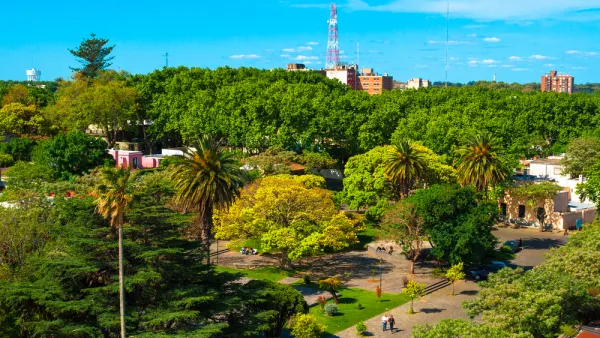
How the Phoenix Tree Canopy Affects Urban Temperatures
As extreme weather intensifies, cities are using trees to mitigate the effects of climate change and reduce energy consumption.
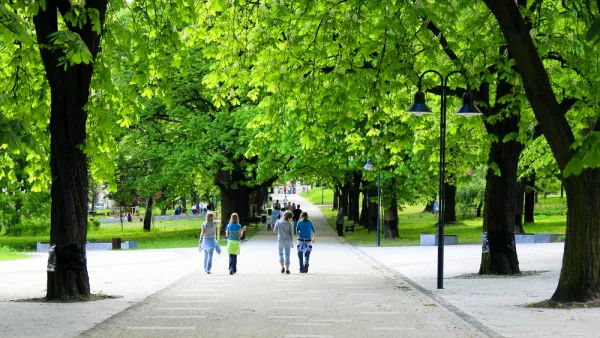
The Problem with Tree Planting Programs
Ambitious campaigns to plant trees in urban areas often don't take into account the complexities of growing and maintaining effective urban forests.
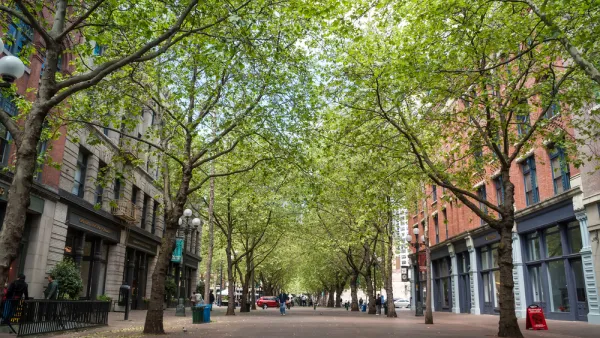
Tree Equity Score: The U.S. Needs 522 Million More Urban Trees
As climate change intensifies the urban heat island effect, poorer neighborhoods bear the brunt of tree canopy inequity.
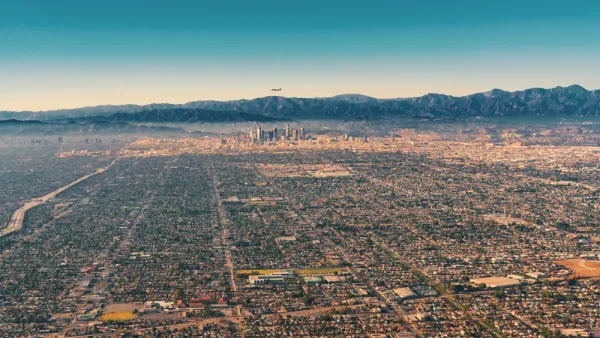
New Urban Reforestation Program Launched to Address Shade Equity Disparities
Los Angeles County partners with The Tree Pledge and the Radical Resilience Lab to strategically plant trees where they are most needed.

Where Los Angeles Most Needs Trees
Google has unveiled a new tool called Tree Canopy Lab in an effort to keep cities like Los Angeles cool by helping them to know where to plant more trees.
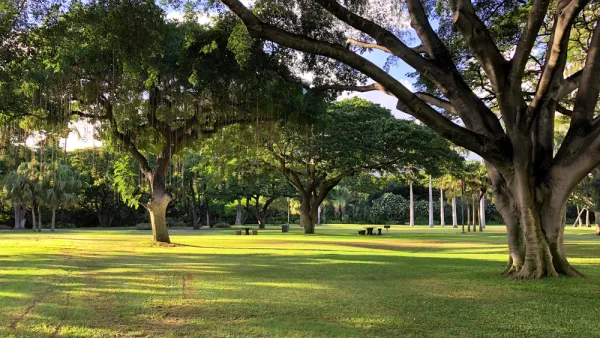
How to Increase the Urban Canopy in Cities
Former University of Hawaii professor Tom Dinell makes a case for the need for more trees in Honolulu, with recommendations that can be applied in other cities as well.
A New Study Asserts the Importance of Urban Trees in Conservation Efforts
Data collected from 13 million tree planting records in 473 urban areas across 73 countries provides insight into the role of urban trees in biodiversity conservation.
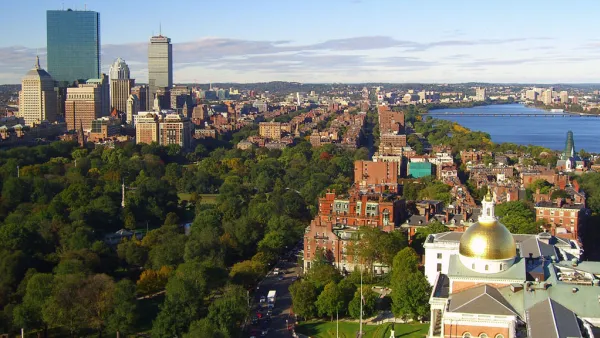
Boston Launches a 20-Year Urban Forestry Plan
The forthcoming Boston Urban Forestry Plan is expected to support communities that have been disproportionately exposed to environmental stressors.
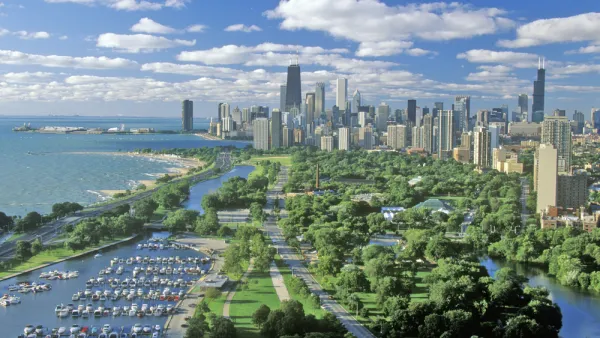
Addressing Equity by Strategically Planting Millions of Trees
As part of the Trillion Trees Initiative, cities across the country are pledging to plant trees and restore urban forests to fight climate change and cool off disadvantaged communities.
Critics Say Boston Tree Removal Plan Reflects Environmental Racism
A road project in Boston involves removing hundreds of mature trees. Residents say the plan is an environmental justice issue.
The Undeniable Link Between Redlining and Extreme Heat in American Cities
The country’s history of racist and segregationist housing policies is affecting vulnerable low-income communities of color that are bearing the brunt of climate change impacts.
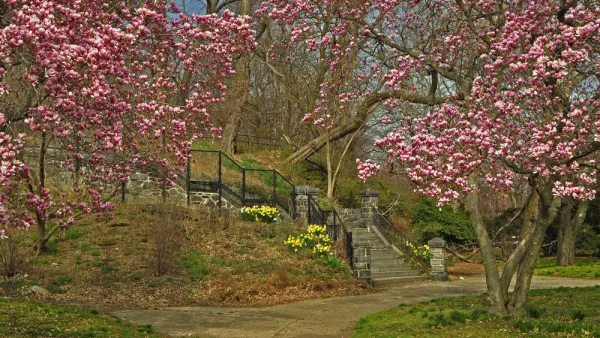
1,000 Football Fields Worth of Trees Lost in Philadelphia Over a Decade
Philadelphia's new "Tree Canopy Assessment" both records the damage of the past decade and makes the case for a new path forward when in comes to prioritizing the city's tree canopy.
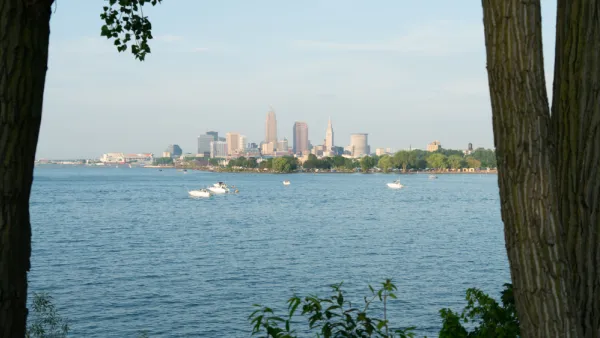
Cleveland Launches Tree Replenishment Program
The city of Cleveland will hope to reap environmental and economic rewards by spending $1 million a year to regrow its tree canopy.
Seattle Residents Wary of Urban Greening Efforts
Parts of the city desperately need more trees, but some residents worry about the long-term effects of tree planting in neighborhoods.
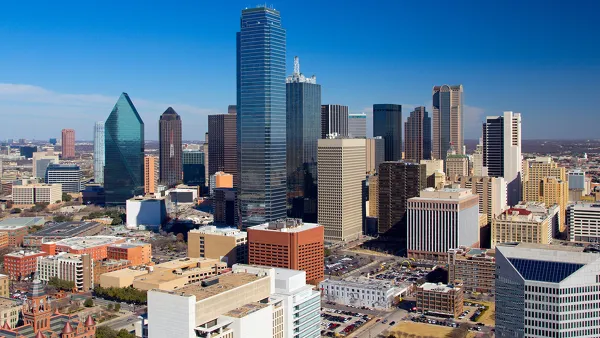
The Data-Driven Plan to Cool Down Dallas
Dallas's resiliency plan analyzed the best ways to combat heat in every neighborhood.
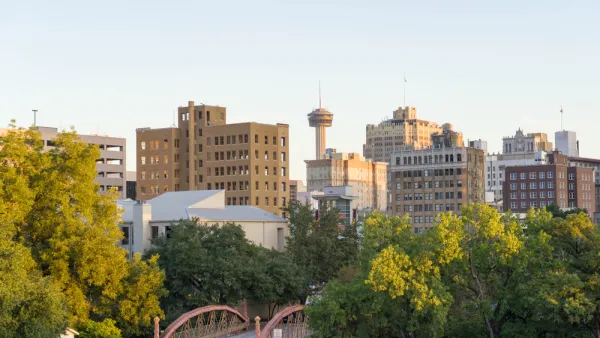
San Antonio Branching Out its Tree Planting Efforts
The city of San Antonio has a lot of money to spend on trees but not a lot of places to plant them.
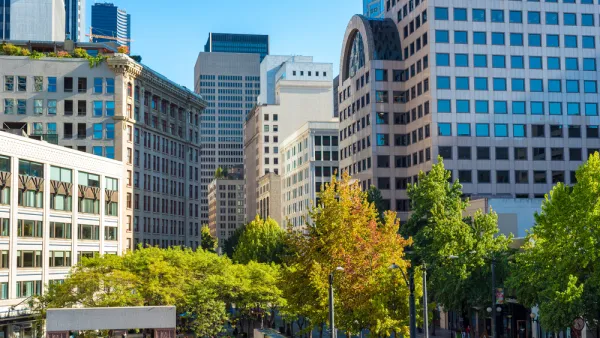
Seattle Revamping its Tree Ordinance
A recent study found that Seattle's tree coverage shrank from 2010-2015, but the city has a goal to cover 30 percent of the city with trees by 2037.
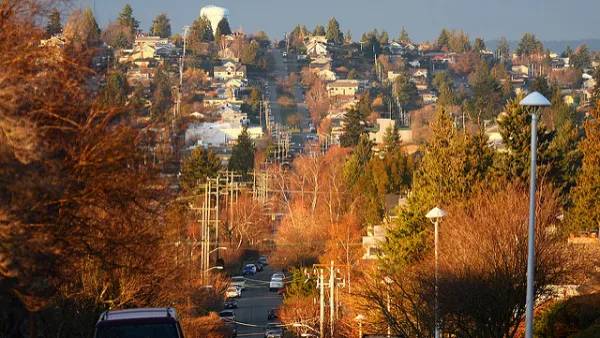
Seattle Looking for Better Tree Protections
Advocates and politicians are mustering ideas and support for new tree ordinances that line up with the city's climate goals.
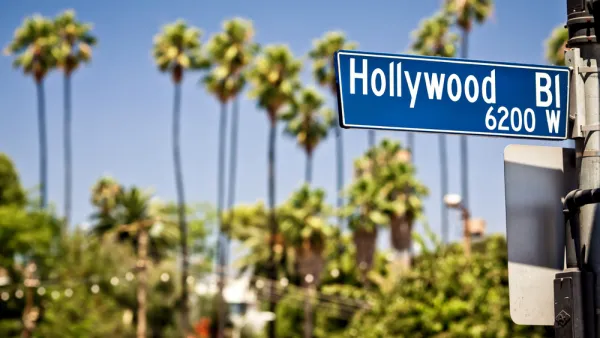
Study: House Sizes Increase at the Expense of Tree Canopies
A research study has found that increasing house sizes in the Los Angeles area have drastically reduced the number of trees shading the region's landscapes—regardless of geographic location of socioeconomic status.
Researchers Finding Evidence of the Negative Impacts of Trees in Urban Settings
More and more evidence has emerged in recent years about the many benefits of trees in urban environments. Every now and then, however, a study finds evidence that tress might not always be as benevolent as they seem.

FREE Course: Walkable City 1: Why Walkability?
After describing his path towards focusing on walkability as the essence of good planning, Jeff Speck marches through his five principal reasons for making more walkable places.
Reinventing Malls: Planning Alchemy—Turning Gray Fields Into Gold
The course focuses on the opportunities and imperatives that shape reinvention of mall sites.

City of Thousand Oaks
City of Wisconsin Rapids
Harvard University Graduate School of Design
The Architects Foundation
University of Cincinnati Online
The Pocatello Development Authority
The Urban Renewal Agency of the City of Pocatello