The city of San Antonio has a lot of money to spend on trees but not a lot of places to plant them.


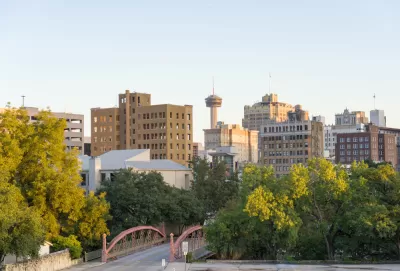
"A pool of money started by San Antonio more than 20 years ago to address the loss of trees that are cut down for new development has grown substantially in recent years," reports Scott Huddleston.
A 1997 ordinance created the fund, which receives funding when developers remove trees without replacing them. Funding has increased from $241,630 in 2006 to $753,197 in 2012 to $2.48 million, according to Huddleston.
Now the city is looking for places to plant trees with all that cash, after having maxed out space in the city's parks. The homes of big organizations, like college and university campuses, are the first places the city is looking. "The Parks and Recreation Department also is planting trees at San Antonio Housing Authority properties, along Martinez and Apache creek greenways and in association with inner-city homes assisted through the Under 1 Roof residential roof repair program," adds Huddleston.
Read the full story: San Antonio looking for places to add more trees

‘Smart Surfaces’ Policy Guide Offers Advice for Building and Maintaining Urban Tree Canopies
Healthy, robust tree canopies can reduce the impacts of extreme heat and improve air quality.
The Economic Value of Street Trees
Far from just providing shade and improving air quality, trees can also contribute to more resilient roads, lower energy costs, and reduced flood risk.
How To Preserve Both Affordable Housing and Urban Trees
Housing and environmental activists are calling on the city to commit to a ‘Trees and’ approach, rejecting the perceived conflict between housing affordability and a healthy urban tree canopy.

Planetizen Federal Action Tracker
A weekly monitor of how Trump’s orders and actions are impacting planners and planning in America.

The state-sanctioned urbicide of Austin
People don’t kill cities. Freeways do.

Colorado’s Largest Data Center Could Rise Next to Homes — Without a Public Hearing
The proposed campus would consume 11 times the power of Denver International Airport; as it has across the country, opposition mounts.
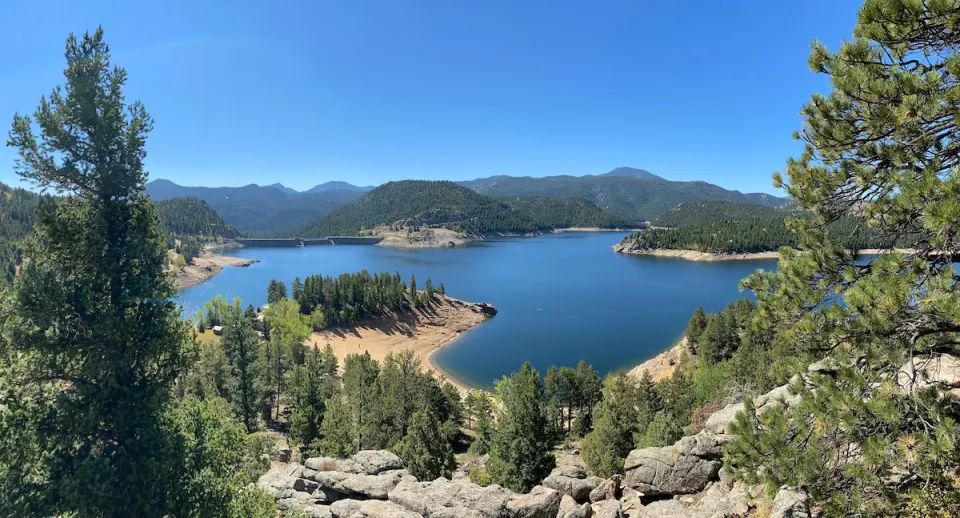
Judges permit Denver to divert 77,000 acre feet from the Colorado River for reservoir expansion
Overuse and climate change have caused the Colorado River’s water levels to plummet.

Amtrak, CN end decades-long dispute with eight-year agreement
The new operating agreement establishes an updated framework for the companies to work together, including processes to resolve disputes.
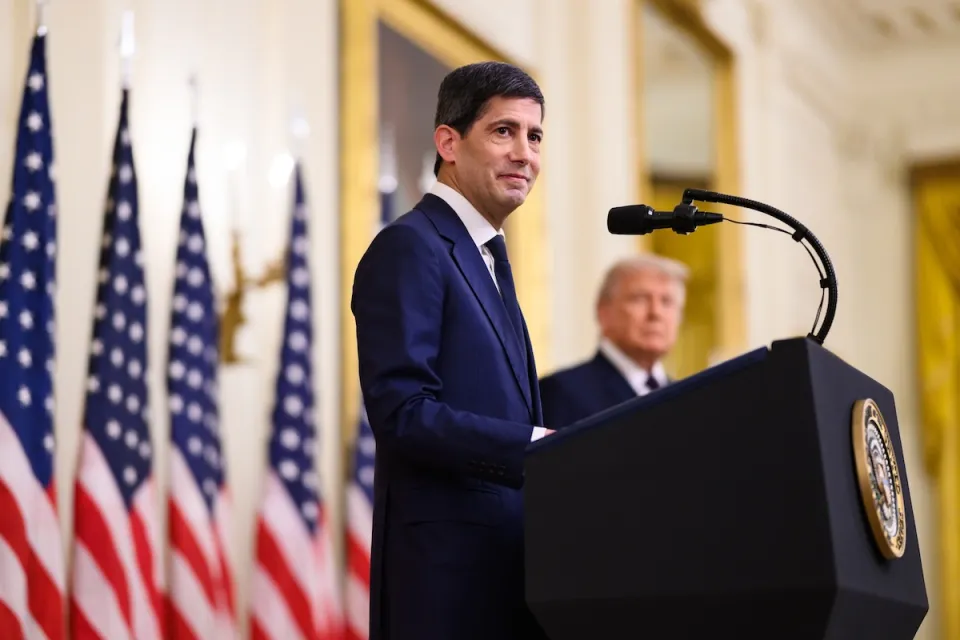
Raised interest rates may kill financially vulnerable construction projects
The chief economist at ConstructConnect warns that if construction project owners are negatively impacted by the raised rates, it could result in delayed payments to contractors.

FREE Course: Walkable City 1: Why Walkability?
After describing his path towards focusing on walkability as the essence of good planning, Jeff Speck marches through his five principal reasons for making more walkable places.
Reinventing Malls: Planning Alchemy—Turning Gray Fields Into Gold
The course focuses on the opportunities and imperatives that shape reinvention of mall sites.

Greater Baltimore Committee
Eagle County Government
Harvard University Graduate School of Design
The Architects Foundation
University of Cincinnati Online
The Pocatello Development Authority
The Urban Renewal Agency of the City of Pocatello
Journal of the American Planning Association