Transit Ridership
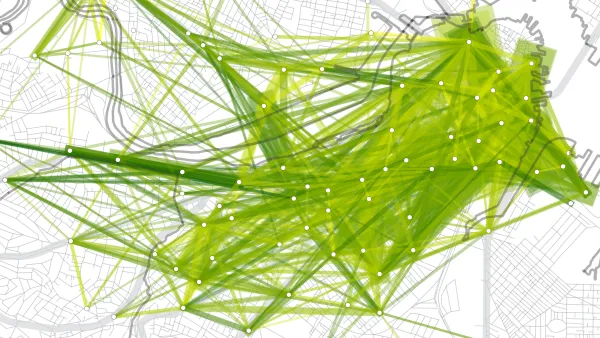
How Data and Tech Can Support Transit Planning
Agencies can use data resources to improve their decision-making and provide more responsive service.
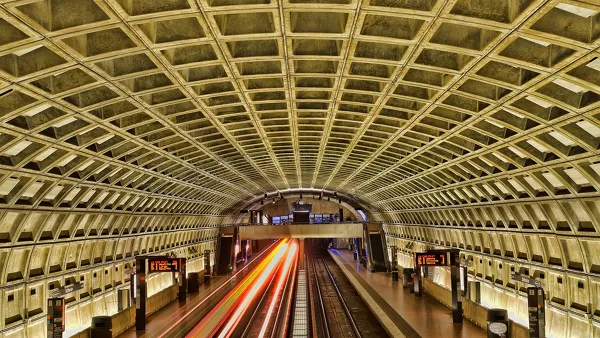
D.C. Transit Agencies Ready to Serve Returning Commuters
The region's transit providers are gearing up to provide enhanced service, shorter headways, and reduced or free fares as more people return to public transportation.
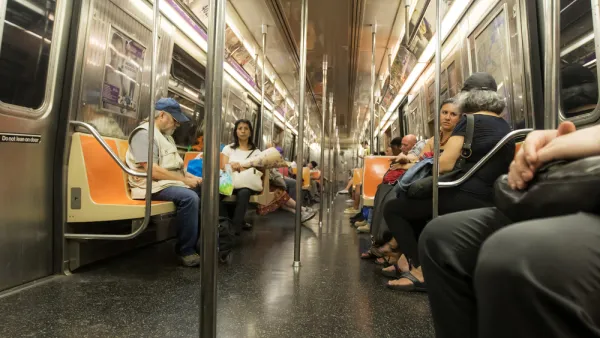
Report: Americans are Returning to Public Transit
According to the Federal Transit Administration, transit ridership is up dramatically from 2020 levels.
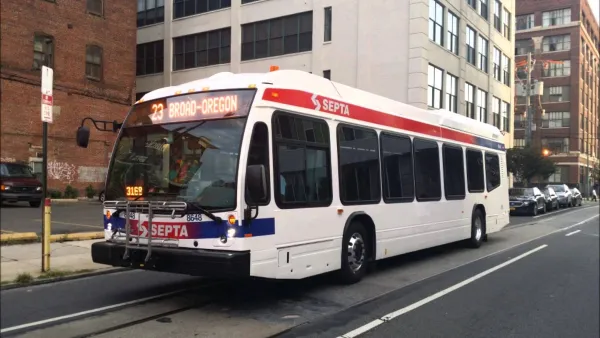
Opinion: Give Students Free SEPTA Rides All Week Long
Philadelphia's student passes cut off at 8 p.m. and don't include weekends, but expanding the free fare program could help SEPTA rebuild ridership and create lifelong transit users.
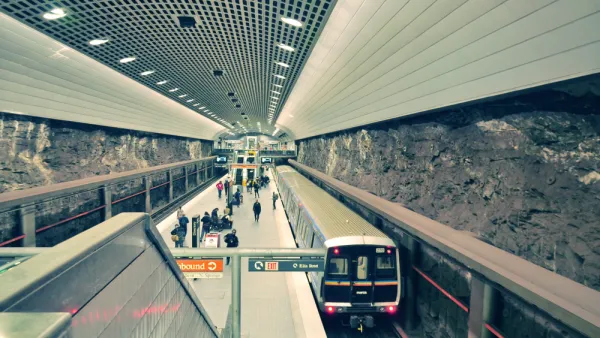
How to Attract Post-Pandemic Transit Riders
After seeing dramatic cuts in service and ridership during the pandemic, transit agencies have a small window of opportunity to gain and retain regular passengers.
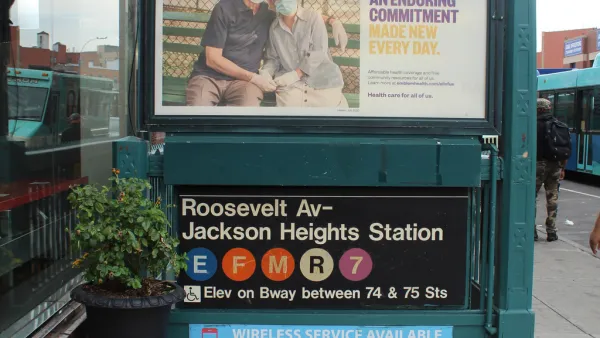
NYC Transit Ridership Patterns Have Shifted to the Outer Boroughs
Signs of the times, and more evidence of the essential service provided by public transit throughout the pandemic.
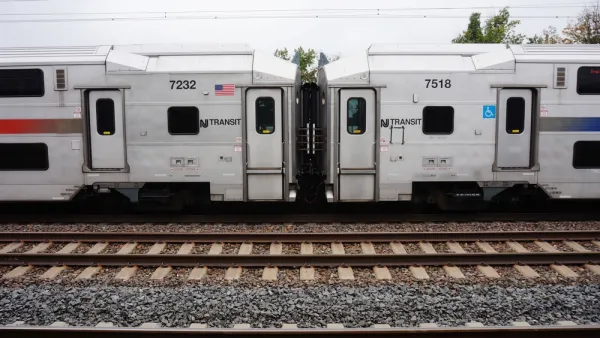
Opinion: 'Commuter Rail' Must Adapt to the New Commute
The sharp historic division between commuter rail and other forms of transit has limited the ability of regional rail systems to serve more users.
One Year Later, Public Transit Still in Crisis
Public transit cities around the world are operating well below pre-pandemic ridership levels, with many cutting service and no real clear idea about how and when a recovery will begin.
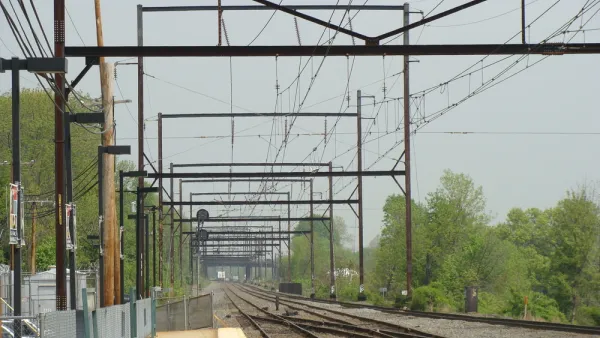
Transit Agencies Look to Land Development to Increase Revenue
With ridership revenue down, agencies seek to diversify their revenue stream by taking a more active role in developing agency-owned land.
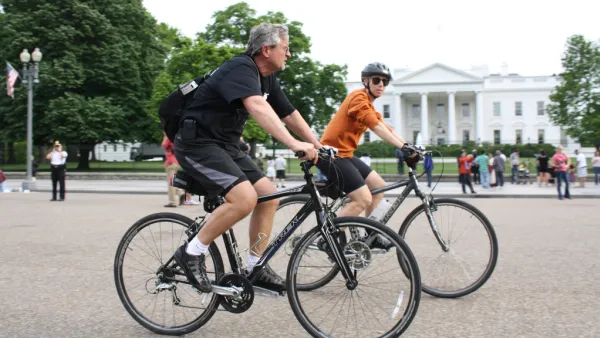
D.C.'s Bike Boom Has Staying Power
More biking, less transit, and less driving alone are the headlining trends from the most recent Regional Travel Survey for the D.C. metropolitan area.
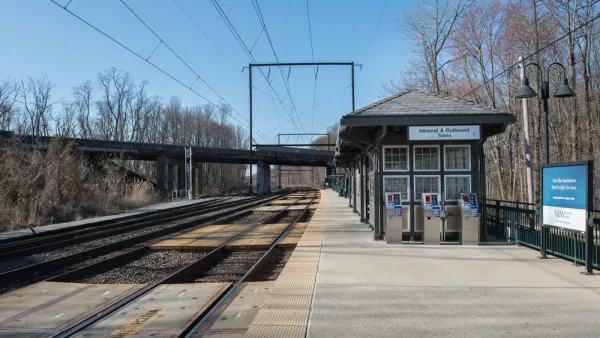
Post-Pandemic Transit Planning: A New Era for Commuter Rail
Ridership on the nation's commuter rail services has plummeted more than other forms of transit during the pandemic. Serving a more affluent, professional ridership, commuter rail is looking more likely to face long-term cuts after the pandemic.
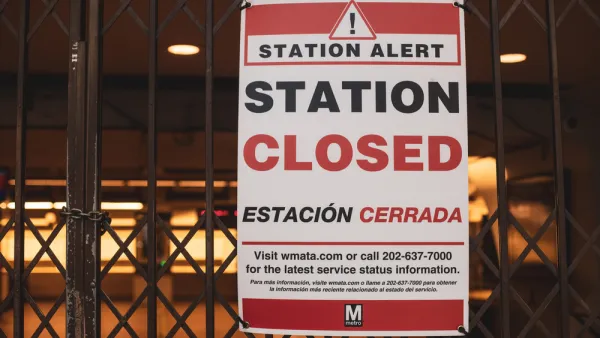
WMATA Approved Buyouts and Service Reductions
The Washington Metropolitan Area Transit Authority couldn't wait for a still hypothetical bailout from Congress or the Biden administration.
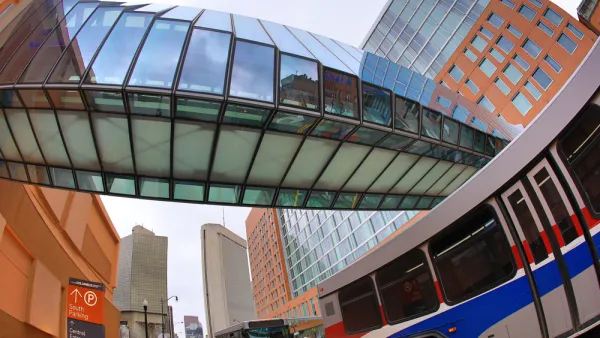
Free Transit Pass Program Extended in Columbus
According to Columbus officials, transit ridership to and from downtown doubled in the years since the city implemented a free transit pass program.
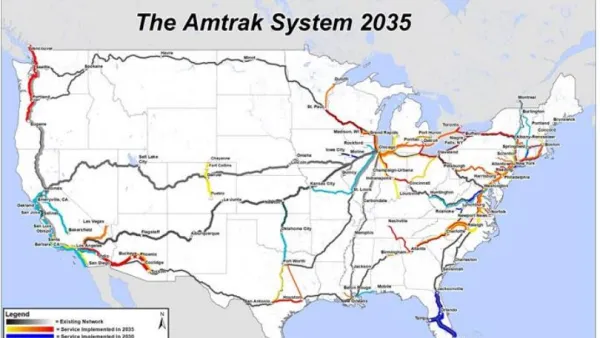
Two Railways Diverged: Amtrak Planning Expansion While Cutting Service
Amtrak is presented with the potential for two futures: In one is a $25 billion expansion to update national intercity rail with contemporary patterns of settlement. In the other is fiscal crisis and continued service cuts.
D.C. Metro Seeks Public Input on Proposed Service Cuts
D.C. Metro Seeks Public Input on Proposed Service Cuts
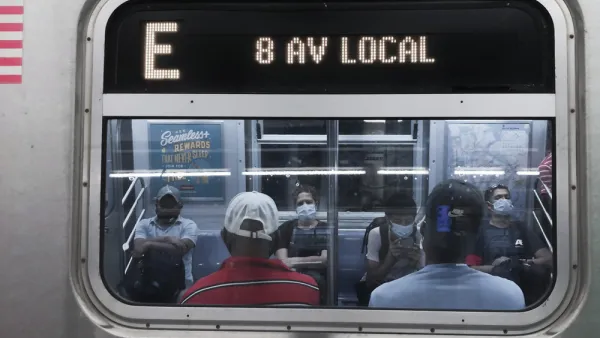
Report: New York MTA Facing 'Greatest Crisis' in its History
A new report on the finances of the New York Metropolitan Transportation Authority (MTA) makes a desperate plea for assistance from the federal government.
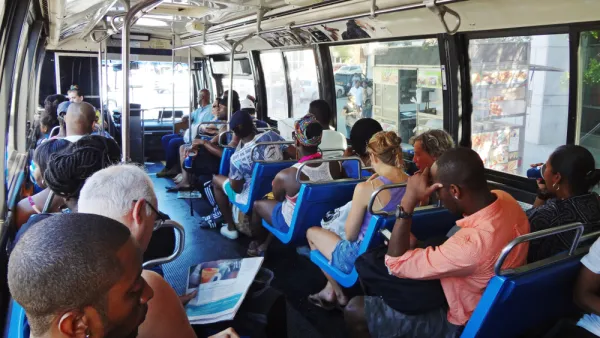
Racism Has Shaped Public Transit, and It’s Riddled with Inequities
Former Houston METRO Board Member Christof Spieler highlights the racism embedded even in the way transit agencies were created.
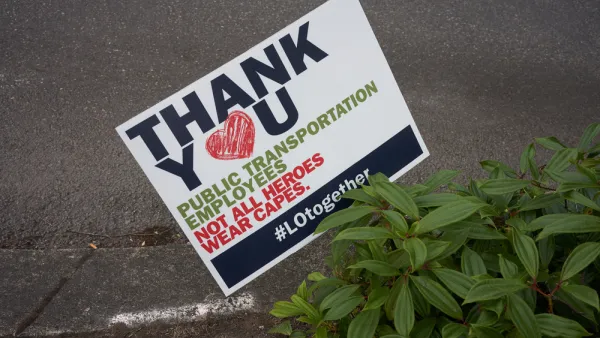
Public Transit in Crisis: Low-Income Riders Have the Most to Lose From Service Cuts
Riders who rely most on public transit are suffering the worst consequences of the cuts to service during the fiscal belt tightening of the coronavirus pandemic.
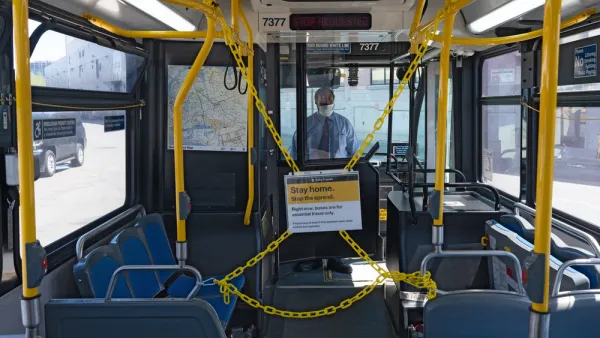
Ridership Up, Speeds Down for Buses in New York City
The new normal might be fleeting on buses in New York City, but it's already different than the normal routine during the early months of the pandemic.
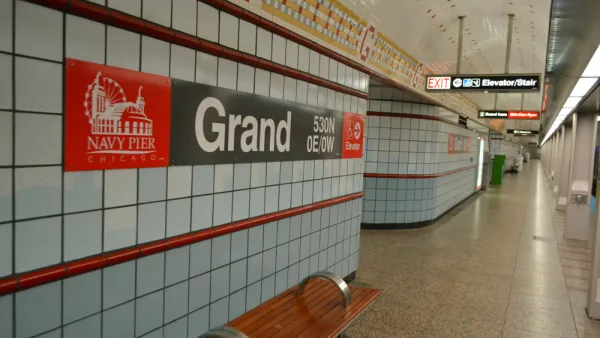
Website Predicts Crowds to Inform Social Distancing on Buses and Trains
Know before you go.

FREE Course: Walkable City 1: Why Walkability?
After describing his path towards focusing on walkability as the essence of good planning, Jeff Speck marches through his five principal reasons for making more walkable places.
Reinventing Malls: Planning Alchemy—Turning Gray Fields Into Gold
The course focuses on the opportunities and imperatives that shape reinvention of mall sites.

City of Charlotte
City of Rosemead
Rutgers University, Edward J. Bloustein School of Planning and Public Policy
University of Michigan School for Environment and Sustainability (SEAS)
Hunter College, City University of New York (CUNY)
The Architects Foundation
University District Partnership









