Transit Ridership
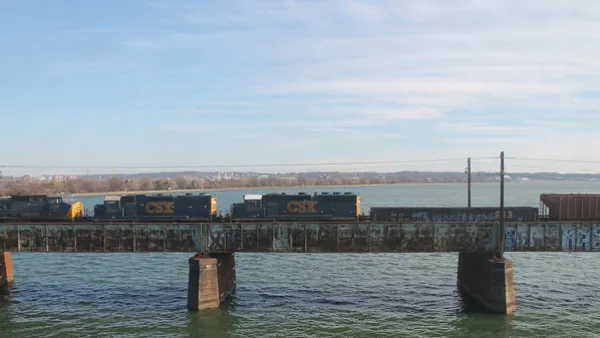
Virginia Passenger Rail Sets Ridership Records, Seeks More Wins
Virginia’s commitment to intercity rail is paying off in record ridership numbers, but more work will be necessary to achieve the state’s ambitions for passenger rail.
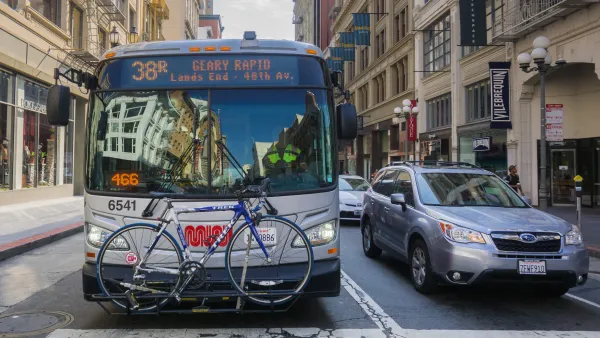
Strategies for Speeding Up Bus Service
A new report will highlight solutions for making bus service faster, more reliable, and thus more attractive to riders.
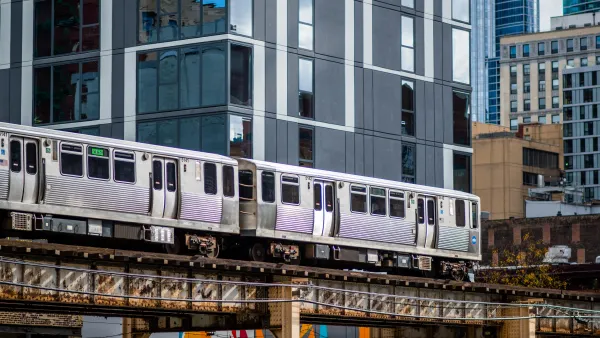
Expanding Chicago TOD Zones Could Boost Transit Ridership
Data indicates broadening the definition of transit-oriented zones to include more of the city would put housing within easy reach of transit for more residents and increase ridership.
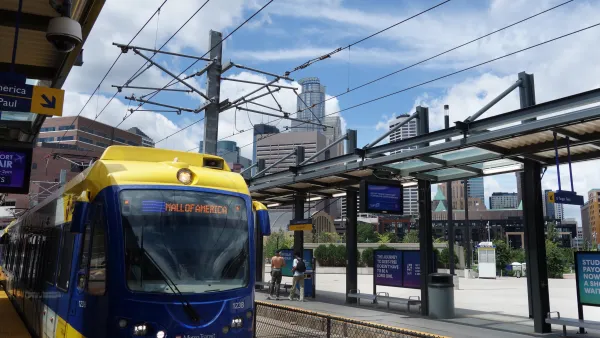
Transit Ridership Surges in Minneapolis
The city’s transit agency is reporting high rates of return to transit, aided by college students and Taylor Swift fans.
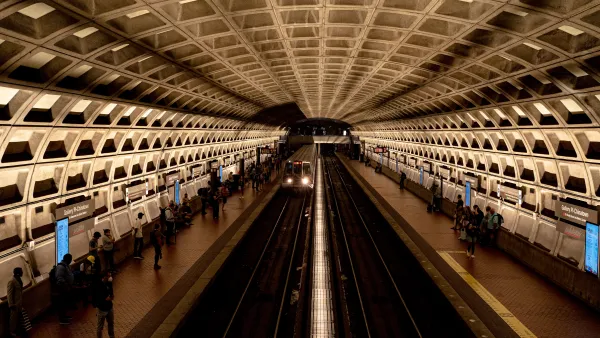
D.C. Leads the Nation for Transit Recovery
Ridership on the region’s rail systems is rebounding faster than other major transit systems.
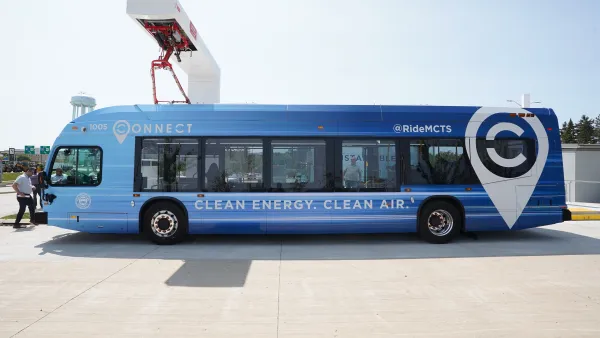
Milwaukee BRT Proves Popular With Riders
The newly opened line is already reaching pre-pandemic ridership levels.
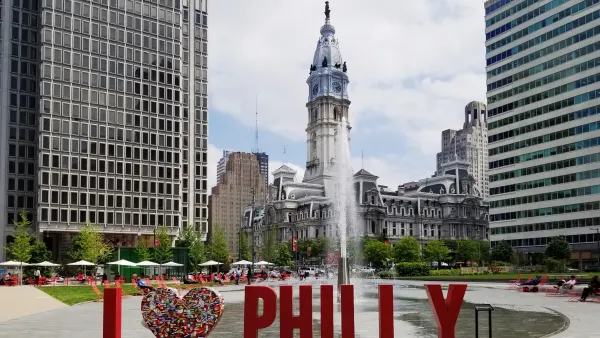
Philadelphia’s City Center Rates Highly for Transit, Walkability
While not all parts of the city are equally accessible, its central district boasts one of the nation’s densest transit networks and high ridership rates.
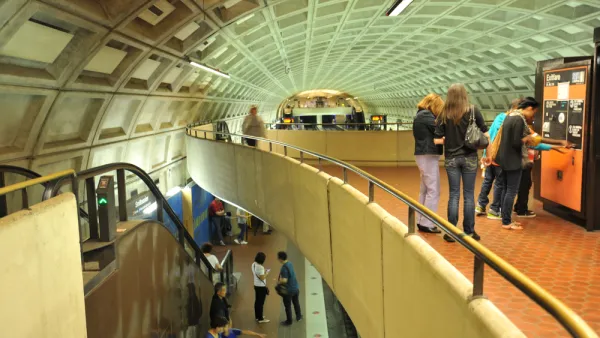
D.C. Metro Announces Service Improvements
The Red, Blue, and Silver lines will see faster headways as the agency reintroduces its 7000-series rail cars to the fleet.
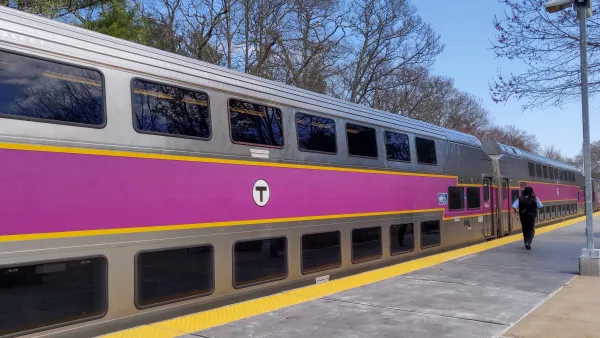
Boston Transit Ridership Grows Steadily
Ridership on the region’s commuter rail reached 80 percent of pre-pandemic levels in March.

Public Transit Gets the Swiftie Bump
Taylor Swift fans are flocking to public transit to attend her concerts, breaking ridership records in cities around the country. Will they keep using transit after the show?
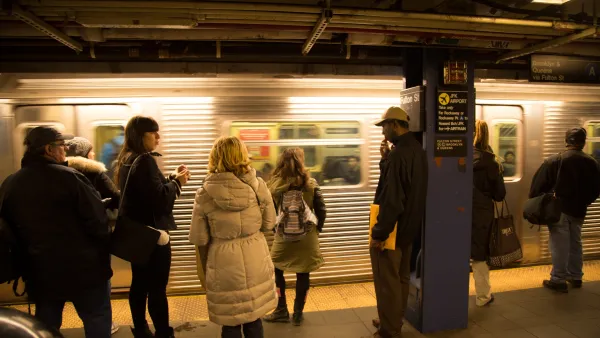
Off-Peak is the New On-Peak
Public transit systems in major U.S. cities are starting to focus on non-rush hour travelers as pre-pandemic commuting patterns shift and transportation needs change.
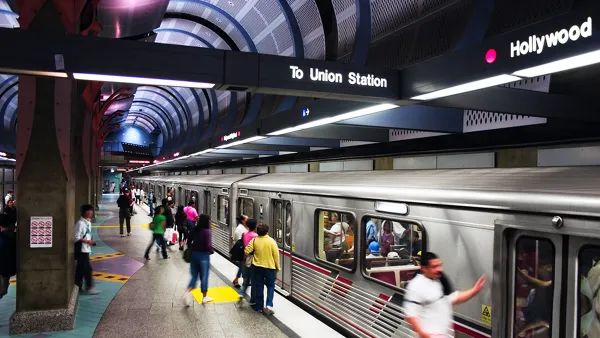
Opinion: To Improve Transit Safety, Boost Ridership
Research links high ridership levels with lower crime, signaling that, rather than introducing new security measures, transit agencies should focus on bringing riders back to their systems.
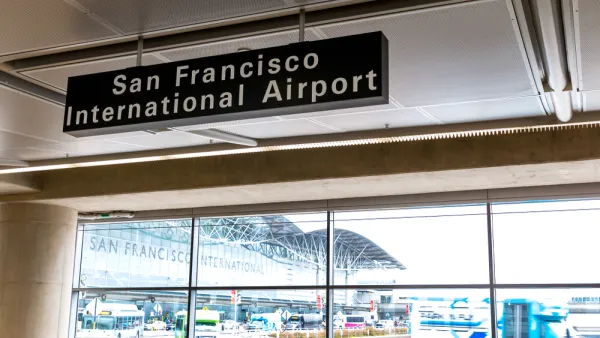
BART Reorients Service for Weekend Travelers
With weekday commuter ridership still lagging far below 2019 levels and remote work not going anywhere anytime soon, the agency plans to increase train frequencies on weekends and reduce some weekday service.
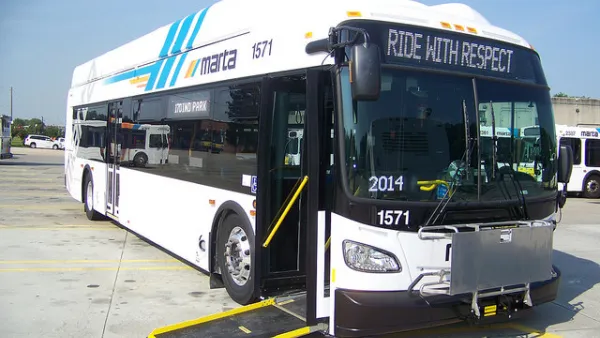
MARTA to Increase Service Frequency, Reduce Routes
Atlanta transit users will likely have to trade higher frequency for fewer routes based on a new plan approved by a planning committee last week.

D.C. Transit and Roadways Overwhelmed by Cherry Blossom Tourists
Metro had the highest ridership numbers in more than seven years last Sunday as hundreds of thousands of cherry blossom enthusiasts crowded the system.
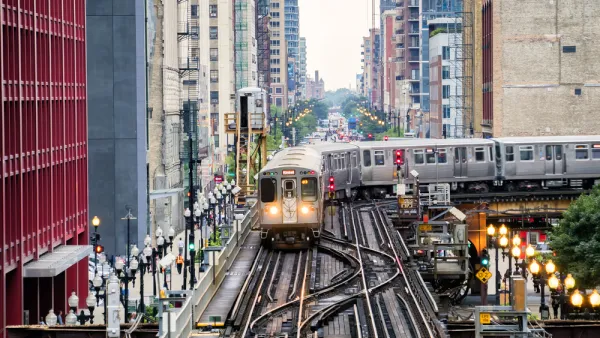
Chicagoland Transit Agencies Call for State Funding as Budget Shortfall Looms
Illinois transit agencies want to see changes to a law requiring them to collect half of their revenue from transit fares, arguing that low ridership and staffing shortages will lead to a massive budget gap without intervention.
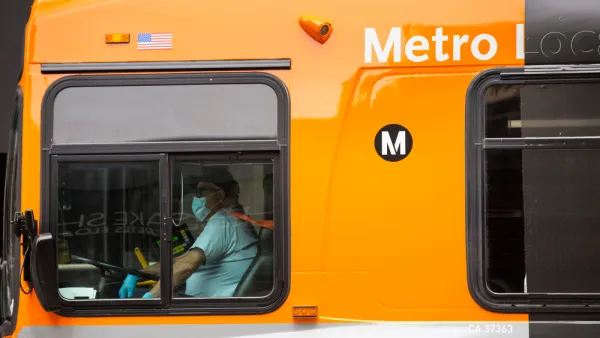
Confronting the Crisis on Public Transit
Problems, old and new, are threatening what remains of our public spaces. How we respond right now could be make or break for public transit.
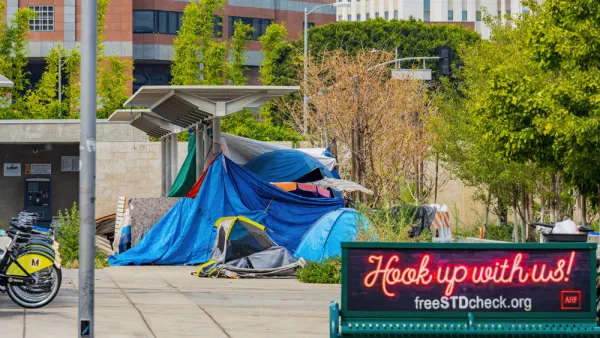
The Deepening Transit Crisis: L.A. Times Reports Drug Use on Transit
An article by the L.A. Times earlier this week has raised the temperature of the debate about drug users and crime on rail transit. Concerns about public safety on transit are a common symptom of post-pandemic transit around the country.
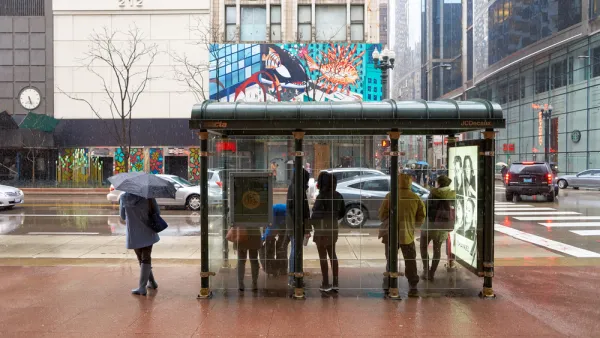
With Travel Behavior Still in Flux, Transit Ridership Projections are Harder to Make
Transit agencies use complex models to predict future ridership, but these have not yet caught up with the still-changing post-pandemic travel needs of transit users.
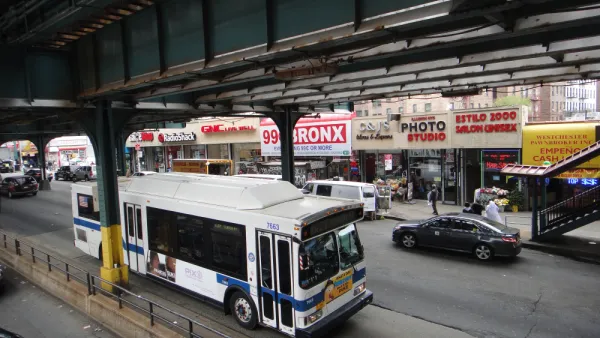
Changes to Local Service in the Bronx Benefit Bus Speeds, Ridership
Another example of how improving bus service design can benefit transit riders and transit systems emerges in New York City. More such local system redesigns are on the way soon in the Big Apple.

FREE Course: Walkable City 1: Why Walkability?
After describing his path towards focusing on walkability as the essence of good planning, Jeff Speck marches through his five principal reasons for making more walkable places.
Reinventing Malls: Planning Alchemy—Turning Gray Fields Into Gold
The course focuses on the opportunities and imperatives that shape reinvention of mall sites.

City of Charlotte
City of Rosemead
Rutgers University, Edward J. Bloustein School of Planning and Public Policy
University of Michigan School for Environment and Sustainability (SEAS)
Hunter College, City University of New York (CUNY)
The Architects Foundation
University District Partnership









