Transit Ridership
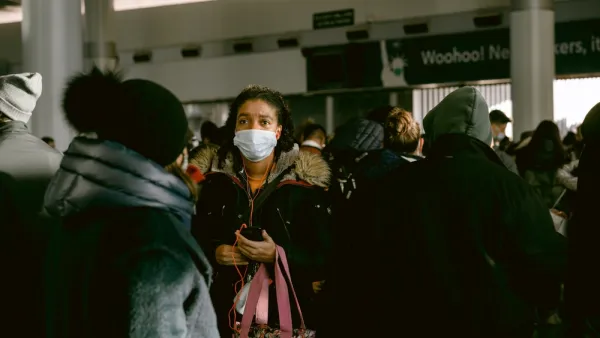
Where Ridership-Only Service Design Comes Up Short
Jarrett Walker and Mathew Yglesias discuss one of the great quandaries of 21st century transit planning—how to increase cost effectiveness and ridership while also ensuring equity and service for underserved communities.
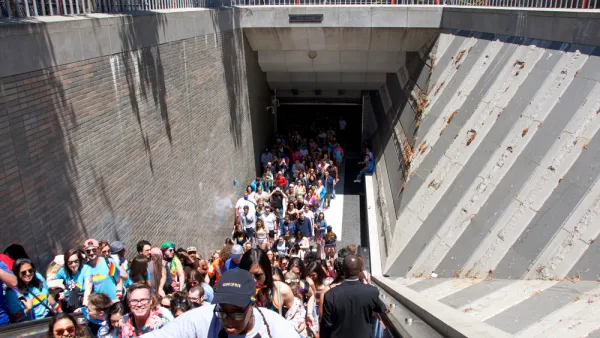
How Mass Transit Can Adapt to Post-Pandemic Needs
With commuter ridership playing a smaller role in transit operations, agencies must reorganize their services around different travel schedules and patterns.
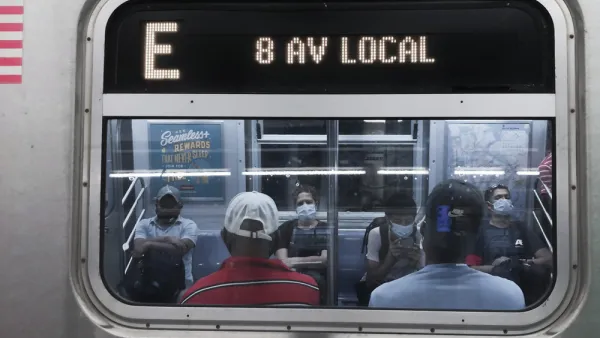
New York Subway Surpasses 1 Billion Riders for the First Time Since 2019
There’s still a long way to go for the nation’s busiest transit system to get back to pre-pandemic ridership levels, but New Yorkers crossed at least one symbolic threshold in 2022.
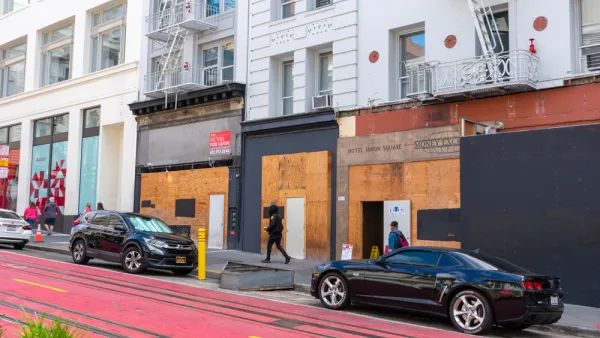
Planning Year in Review 2022: Downtowns, Transportation, Climate Change
Part two of a review of the major themes, debates, and events of the year in planning that was 2022.
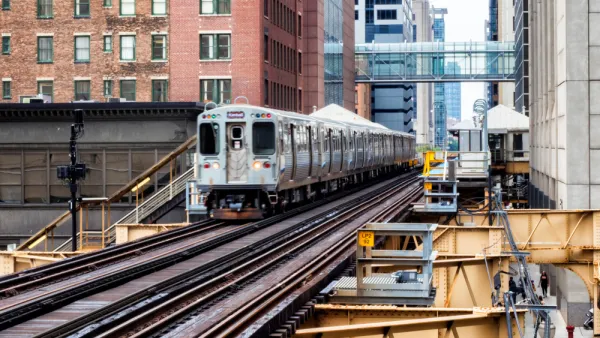
Chicago Transit Faces Steep Budget Gap
The region’s transit riders could see major fare hikes and reduced service if agencies don’t find new ways to make up for reduced fare revenues.
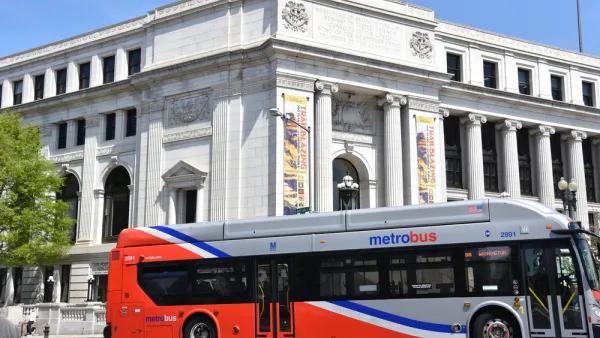
Free Rides, Overnight Service Considered for Metro Transit in D.C.
Washington, D.C. councilmembers are making a bold commitment to public transit.
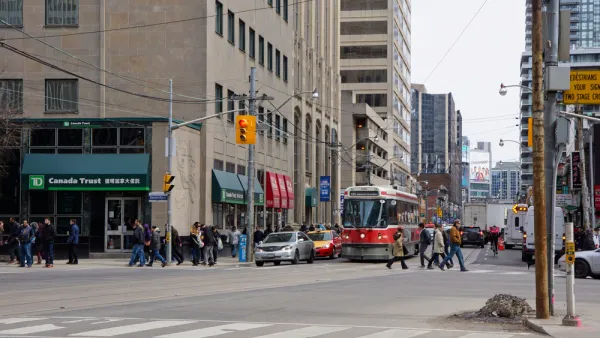
Canada's Car Commuting Roars Back as Transit’s Rebound Remains Slow
Car commuting rates are returning to pre-pandemic levels, while public transit and active transportation rates are slower to recover.
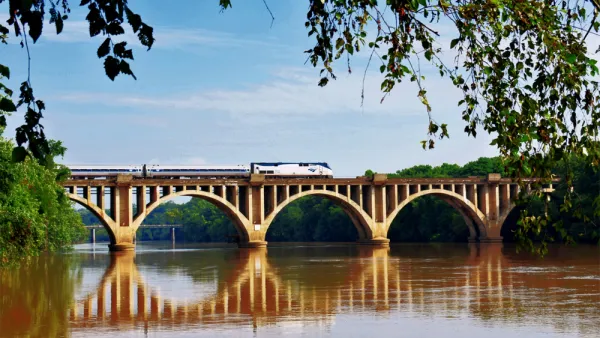
Virginia Amtrak Ridership Soars Above Pre-Pandemic Levels
The four state-managed Amtrak lines are seeing increases of as much as 65 percent in ridership.
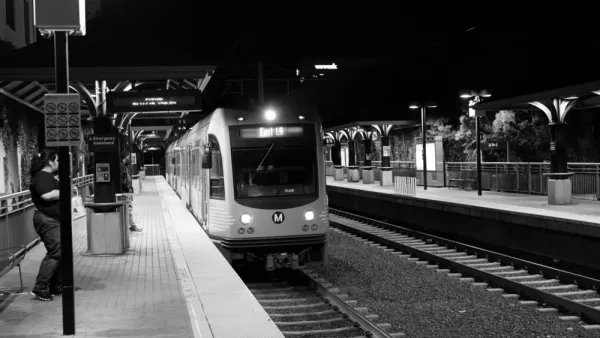
Fewer Women Riding Buses in Los Angeles
In a survey, riders expressed concern about safety, cleanliness, and timeliness on the region’s buses and trains.
D.C. Could Give Residents $100 Transit Subsidy
A proposed bill would distribute $100 in transit fare to District residents and provide $10 million to improving bus and streetcar services in underserved neighborhoods.
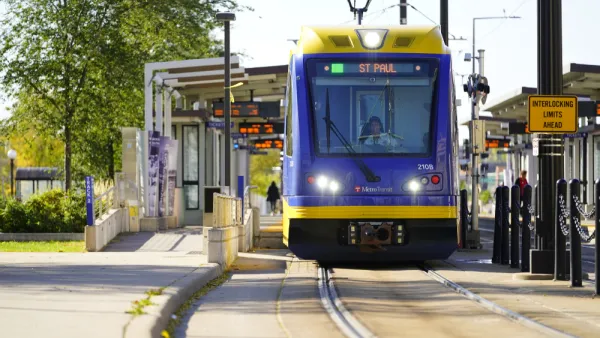
Twin Cities Volunteers Help Recent Immigrants Navigate Transit
Showing refugee and immigrant residents how to use public transportation can improve access to essential services, jobs, and education, but a more robust transit system is needed to effectively serve all who need it.

A Transit Ridership Role Reversal in California
Since the outset of the pandemic, the capital of car-oriented sprawl in California has become the king of public transit. Looking for lessons about the future of public transit in the United States? Look to San Francisco and Los Angeles.
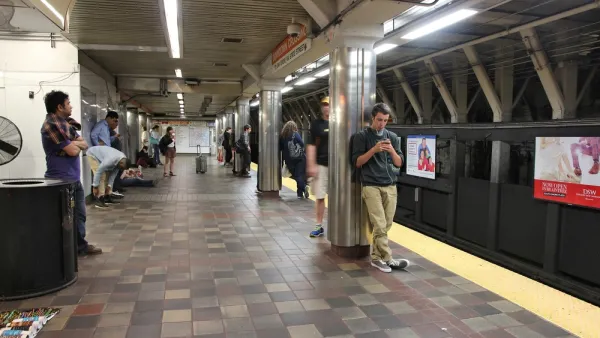
Opinion: Funding The T Should Be a Massachusetts State Priority
With ridership revenue still lagging and fatal incidents plaguing the Boston-area transit agency, one writer argues that state lawmakers must step in to fund upgrades for the aging system.
Transit Ridership Continues Slow Recovery
Even as gas prices rise, ridership on many public transit systems continues to remain well below pre-pandemic levels.
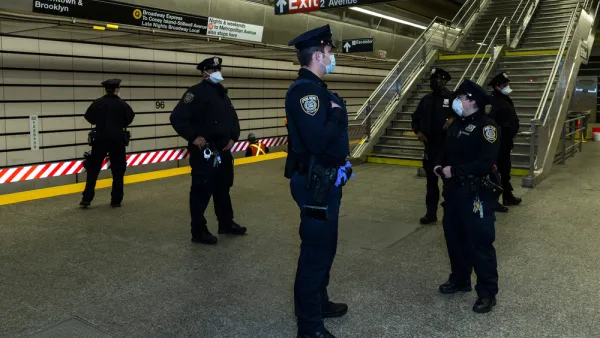
Safety Concerns Driving Riders Away From Transit
Public transit systems in major U.S. cities are struggling to restore their image after rising crime rates led to heightened security concerns among riders.
Transit Agencies Adjusting to New Realities
As transit ridership remains tepid around the country, transit agencies are looking to diversify their funding sources and become less reliant on farebox revenue.
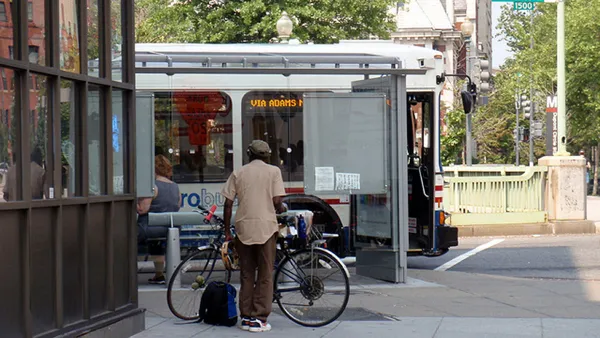
Fare-Free Transit Hasn’t Reduced Car Trips, Data Says
Fare-free transit isn’t the climate change benefit that many have hoped, according to recent writing by David Zipper for Bloomberg.
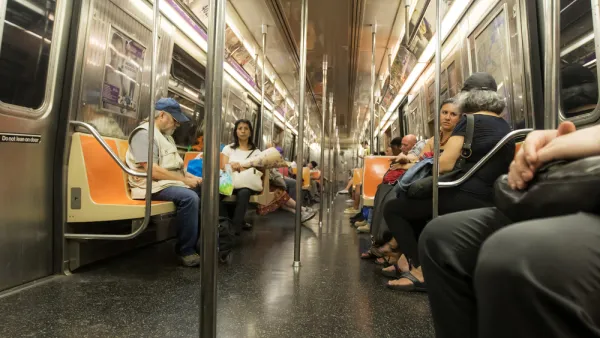
Transit Agencies Will Face Challenges in Getting Federal Dollars
While recent federal legislation allocates billions to transit projects, local leaders face difficult choices as they struggle to match federal funds while ridership remains below pre-pandemic numbers.
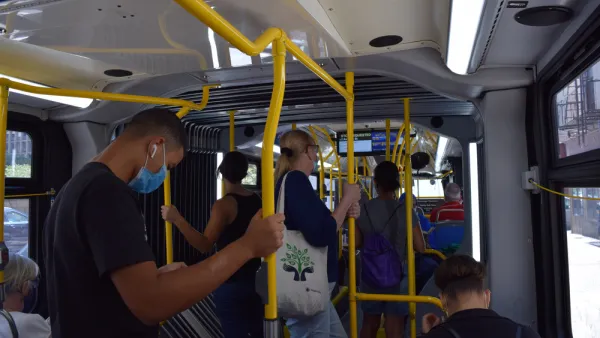
Post-Pandemic Transit Likely To Remain Less Commuter-Focused
While the future of transit ridership depends on a range of still-uncertain factors, the commuter-centric patterns that characterized pre-COVID transit service are probably a thing of the past.

Federal Infrastructure Funding a Rare Opportunity to Improve the Nation’s Bus Shelters
Transit systems faced with decreasing ridership could accommodate access to the most widely available form of transit by building bus shelters. The federal infrastructure bill provides a big opportunity to do so.

FREE Course: Walkable City 1: Why Walkability?
After describing his path towards focusing on walkability as the essence of good planning, Jeff Speck marches through his five principal reasons for making more walkable places.
Reinventing Malls: Planning Alchemy—Turning Gray Fields Into Gold
The course focuses on the opportunities and imperatives that shape reinvention of mall sites.

City of Charlotte
City of Rosemead
Rutgers University, Edward J. Bloustein School of Planning and Public Policy
University of Michigan School for Environment and Sustainability (SEAS)
Hunter College, City University of New York (CUNY)
The Architects Foundation
University District Partnership









