Sharing Economy
New Research on Airbnb's Impact on the San Francisco Housing Market
The San Francisco Chronicle published a large, magazine-style feature detailing the impacts of Airbnb on the city's housing market.
Labor Ruling in California Means Big Changes for Uber's Business Model
A California labor commissioner has resolved a long-standing dispute over the employment status of Uber drivers. Uber and other transportation network companies will have to adjust.

Op-Ed: Regulation Has Urban Progressives Confused
According to Aaron M. Renn, left-leaning urbanists chafe against a regulatory culture their ideology supports. Favoring "regulation for thee but not for me," they want to bend the rules, but only for enterprises they like.
Report: Transportation Network Companies Would Benefit St. Louis
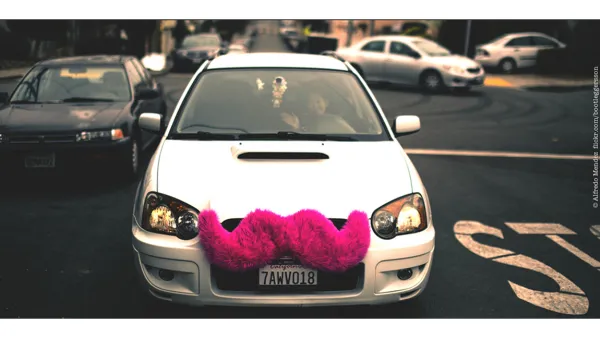
According to a Deloitte report, St. Louis commuters could save upwards of $220 million a year, with an additional $493 million in regional road construction savings. All the city needs to do is lift restrictions on rideshare.
San Francisco Rebooting its Airbnb Regulation Efforts
Despite approving legislation to regulate short-term rentals in October 2014, San Francisco must go back to the drawing board to find legislation that works. Stay tuned.
Uber Now Employs 20,000 in the Bay Area
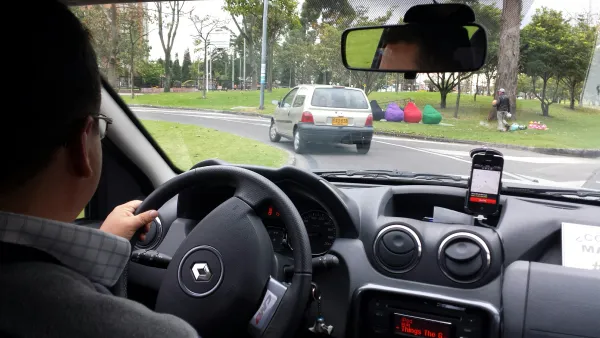
With over 162,000 full- or part-time "driver partners" nationwide, Uber is an employment giant. The company's 20,000 Bay Area workers place it among the top five regional employers.
How Cities Are Regulating the Sharing Economy
Compiled from interviews conducted with city officials, this National League of Cities report gives us a regulator's-eye-view of the sharing economy. Among the topics discussed are equity, taxation, and data transparency.
Debating the Costs and Benefits of Airbnb's Short-Term Rentals
A labor group is taking on the impact of short-term rentals on the housing market in one of the most expensive cities in the country. The debate is contentious, with numbers flying both ways, and also critical for the economic health of cities.

How Driverless Cars Could Affect Suburban Land Use
Successful driverless cars might lead to "mini mass transit," a distinct mode from public transit and the private automobile. The consequences for land use could reshape suburbia.

Regulating the Little Free Library
The Little Free Library movement is a well-intentioned overture to literate neighborliness. In spite of lacking obvious drawbacks, certain officials argue it should undergo more stringent permitting.
Judge Evicts Rent-Stabilized Tenant for Listing on Airbnb
A judge's ruling in New York has evicted a rent-stabilized tenant in Hell's Kitchen. Renters might want to reconsider the terms of their lease before listing their apartments for rent—especially if they live in a rent stabilized apartment.
Can Taxis Survive Competition from the Sharing Economy?
Two experts consider the future of cab companies in the age of Uber and Lyft.
How Parking Apps Could Shift the Parking Landscape
New apps have the potential to influence a fundamental shift in the political and physical realities of parking according to a recent Next City article.
The Spinlister App: 'Airbnb for Bikes'
A new app is part bikeshare and part Airbnb.

Government in 2020
A new report by Deloitte looks at the way government could be re-structured by 2020 due to influences of business and technology.
Does Airbnb Impact the Affordable Housing Market?
Michelle Cohen discusses whether or not companies like Airbnb, which provide platforms for room and house-sharing aimed at travelers, impact a city's affordable housing market.
A New Buzzword for Changing Cities: 'Trust'
Christopher Swope writes of the emergence of the word "trust" in the buzzy lexicon of urbanism.
How the Sharing Economy Masks an Economic Crisis
Evgeny Morozov, a researcher on the political and social implications of technology, critiques the less-hyped implications of the emerging sharing economy.
Why Smart Cities Must be Sharing Cities
Julian Agyeman and Duncan McLaren make the case that the only smart city is a shareable city.
Can the 'Sharing Economy Advisory Network' Help Cities and the New Economy Get Along?
The National League of Cities has created the Sharing Economy Advisory Network to develop best practices for cities in developing regulations while also allowing sharing economy businesses to expand and operate.

FREE Course: Walkable City 1: Why Walkability?
After describing his path towards focusing on walkability as the essence of good planning, Jeff Speck marches through his five principal reasons for making more walkable places.
Reinventing Malls: Planning Alchemy—Turning Gray Fields Into Gold
The course focuses on the opportunities and imperatives that shape reinvention of mall sites.

KFH Group Inc.
Greater Baltimore Committee
Eagle County Government
The Architects Foundation
University of Cincinnati Online
The Pocatello Development Authority
The Urban Renewal Agency of the City of Pocatello