psychology

How Disgust Shapes Perceptions of Density
A new study reveals a telling link between an individual’s disgust sensitivity and how they respond to urban density.

Nature and Nurture: Understanding the Diversity of Biophilia
Biophilia, originally thought to be an innate and universal love for nature, is now understood as a temperament trait with significant individual differences influenced by genetics and experience.
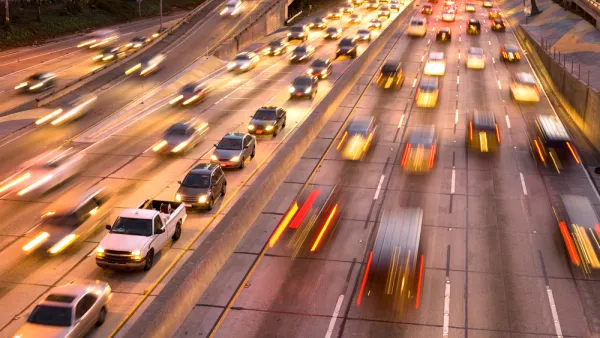
Lonely by Design: How Urban Planning Can Intensify Social Isolation
Walkable neighborhoods, access to parks, and opportunities for social interaction can help reduce the burden of loneliness and promote community. But many of our cities aren’t built this way.

A (Brief) Lesson in Planning For Psychologists
How can planners approach the emotions and psychology of urban stakeholders? Planning journalist Josh Stephens speaks with Psychology Today to give psychology professionals a glimpse into how planners think.

Why We're Not Meant to Live in Boring Cities
Features like blank street facades literally turn us off, decreasing mental stimulation and bringing on restlessness and stress. Research points to worrying consequences for people who find their city, well, boring.

On the Psychology of Road Rage
Few of us are fully immune from the effects of road rage. Psychologists are asking why driving can provoke changes in behavior—and how to avert them.

Study: Dynamic Road Signs Make for Better Drivers
A psychological experiment finds that warning signs depicting more movement gain more attention, making drivers navigate more carefully.

How to Marginalize the Automobile
In a column for Fast Forward Weekly, Steven Snell explores the complexities in lessening the domestication of the automobile and its perceived necessity in our day-to-day lives.
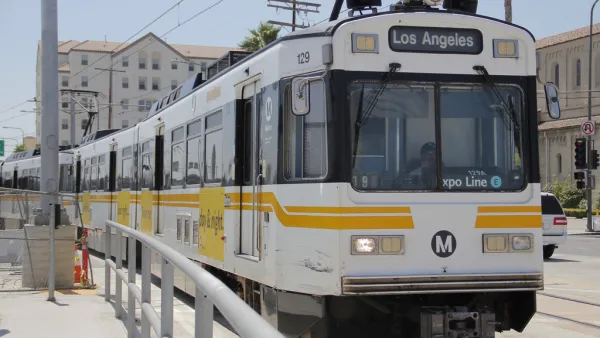
Do Psychological Barriers Doom L.A.'s Transit Transition?
Creating a culture of transit in Los Angeles will require more than just expanding the area's train and bus infrastructure. New riders will have to overcome the psychological barriers that prevent many people from ditching their cars.
Mapping America's Many Moods
Are you exceedingly agreeable or exceptionally conscientious? If so, there's a good chance you live in Utah or South Carolina. At least that's according to the findings of a 13-year study into American attitudes conducted by a team of researchers.
The Planning Fallacy Part Deux (now with more fallacies!)
A final, closer look on how our optimism can be our best quality and our biggest weakness.
The Planning Fallacy
Often times, what we think of as a plan is just an elaborate wish.
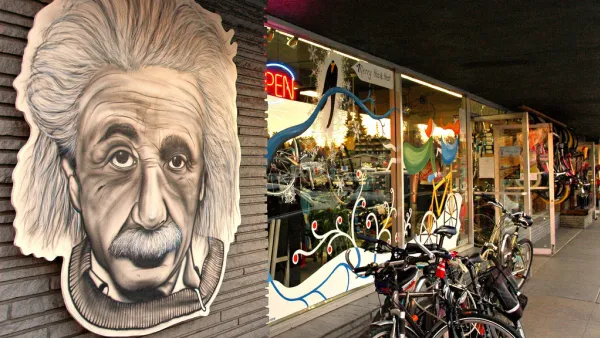
Bicycling: Good for the Brain and the Body
The physical benefits of cycling are well known, but researchers are just beginning to understand how riding a bike benefits our brains, writes Simon Usborne.
Sprawl is Driven By Our Collective Unconscious
Richey Piiparinen argues that Americans don't necessarily want sprawl, but they are driven by unconscious motives, fears and hopes that haven't been properly dealt with yet.

FREE Course: Walkable City 1: Why Walkability?
After describing his path towards focusing on walkability as the essence of good planning, Jeff Speck marches through his five principal reasons for making more walkable places.
Reinventing Malls: Planning Alchemy—Turning Gray Fields Into Gold
The course focuses on the opportunities and imperatives that shape reinvention of mall sites.

Harvard University Graduate School of Design
KFH Group Inc.
Greater Baltimore Committee
The Architects Foundation
University of Cincinnati Online
The Pocatello Development Authority
The Urban Renewal Agency of the City of Pocatello