How can planners approach the emotions and psychology of urban stakeholders? Planning journalist Josh Stephens speaks with Psychology Today to give psychology professionals a glimpse into how planners think.



"Kids don’t question whether their environment is ideal or whether it was built for the right reasons any more than they question whether their native language or their religion is ideal. Our places are built into us and they influence us so powerfully that we don’t even know they’re influencing us. And hometowns aren’t just buildings and streets. They are also cultural norms: values, customs, ideas, styles, ideologies, and relationships. We approach the rest of the world according to those cultural norms."
"YIMBYism also provides a crucial counterweight to the power of homeowners, which has accumulated unchallenged for decades. Homeowners dominate urban politics because they are relatively sedentary, relatively wealthy, and relatively white (and often benefited from zoning laws and patterns that favor whiteness). They have financial, aesthetic, and sometimes racially motivated interests in maintaining the status quo—meaning under-production of housing. They are the ones who have traditionally dominated public discourse."
Read the full story: The Psychology of The Urban Mystique
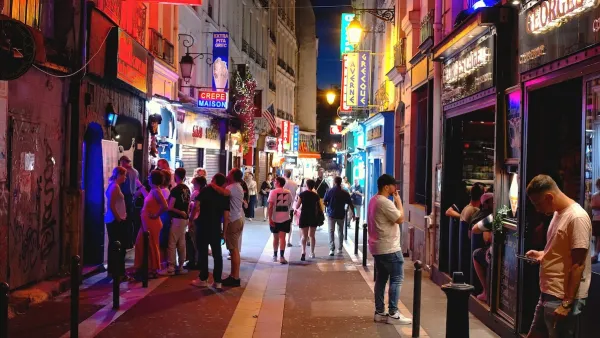
How Disgust Shapes Perceptions of Density
A new study reveals a telling link between an individual’s disgust sensitivity and how they respond to urban density.

Nature and Nurture: Understanding the Diversity of Biophilia
Biophilia, originally thought to be an innate and universal love for nature, is now understood as a temperament trait with significant individual differences influenced by genetics and experience.

Lonely by Design: How Urban Planning Can Intensify Social Isolation
Walkable neighborhoods, access to parks, and opportunities for social interaction can help reduce the burden of loneliness and promote community. But many of our cities aren’t built this way.

Planetizen Federal Action Tracker
A weekly monitor of how Trump’s orders and actions are impacting planners and planning in America.

Eastern Nebraska is running out of electricity
Data centers and electrification are straining eastern Nebraska’s grid, throttling economic development.

Move over, LA: St. Louis gears up for Olympics, invests millions in downtown redevelopment
The Missouri city will host the 2028 Olympic soccer group stage and knockout matches.

Dallas releases zoning code overhaul to officials
The drafted overhaul is over 400 pages long.

NYC renovations for dangerous, ‘mercilessly crammed’ street delayed until 2027
Construction was supposed to begin this fall.

San Diego’s Midway Rising project gets greenlight from city council
The project looks to become the largest affordable housing development in California's history.

FREE Course: Walkable City 1: Why Walkability?
After describing his path towards focusing on walkability as the essence of good planning, Jeff Speck marches through his five principal reasons for making more walkable places.
Reinventing Malls: Planning Alchemy—Turning Gray Fields Into Gold
The course focuses on the opportunities and imperatives that shape reinvention of mall sites.

City of Rosemead
Rutgers University, Edward J. Bloustein School of Planning and Public Policy
One Hundred Miles
University of Michigan School for Environment and Sustainability (SEAS)
Hunter College, City University of New York (CUNY)
The Architects Foundation
City of Cambridge
The Pocatello Development Authority
The Urban Renewal Agency of the City of Pocatello