Planning
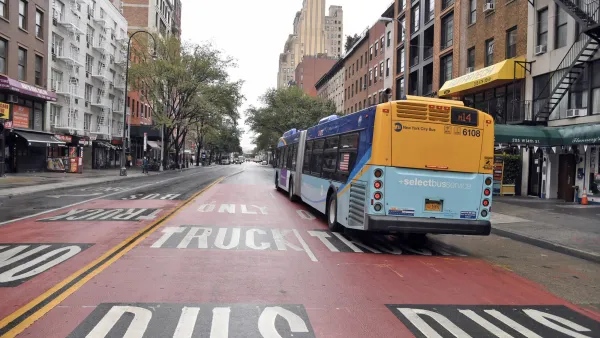
20 Miles of Bus Lanes and Car-Free Busways Coming to New York City
While it falls short of a more ambitious proposal pitched by the MTA recently, a new plan to expand bus priority on the streets of New York City would mark a significant expansion of a trend that started on 14th Street in Manhattan.
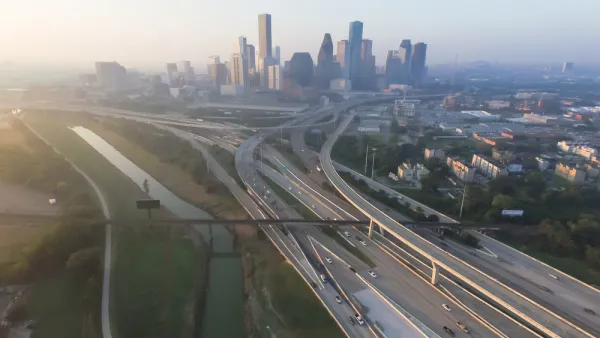
Interstate 45 Realignment Would Cut Through a Historic Black Neighborhood in Houston
A plan to realign Interstate 45 in Houston has been criticized as a highway boondoggle as well as a failure of racial and social equity, and recent protests have only amplified the latter criticisms of the project.
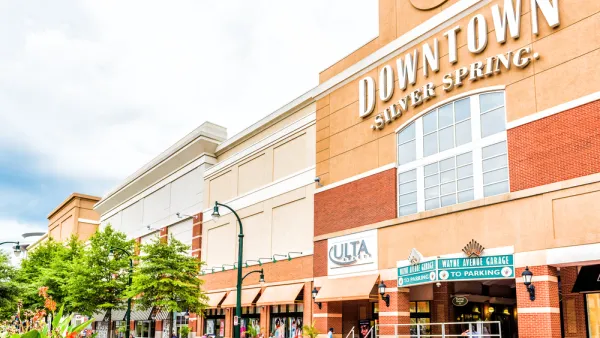
Silver Spring Downtown Plan Expanding to Make Room for the Missing Middle
Planners are hoping that by expanding the boundaries of the Silver Spring Downtown Plan in Montgomery County, Maryland, new opportunities for missing middle housing will create new opportunities for housing affordability.
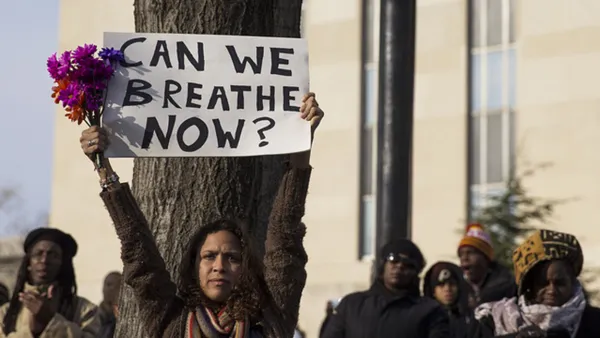
Connecting the Dots Between Planning and Policing
The newest issue the Journal of Planning and Education Research responds to a clear need of the time: the need to address social justice in the public realm while reforming planning practices in the United States.
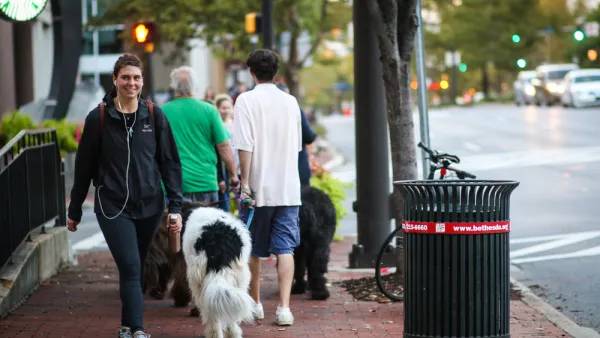
Draft Complete Streets Design Guide Released in Montgomery County
The draft new Montgomery County Complete Streets design guide is a key tool for achieving the goals set out by the county's Vision Zero Action Plan.
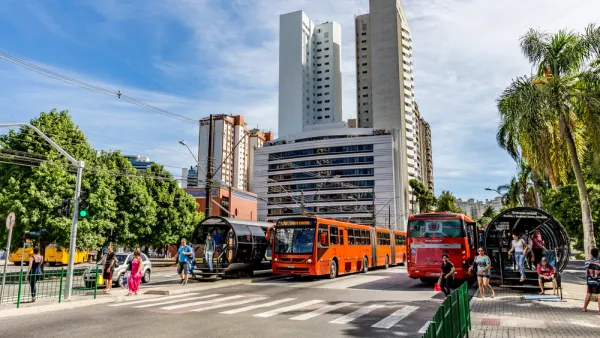
Book Review: Planners in Politics
How can planners be more effective in politics? A new book offers planners turned executive-level politicians a chance to explain their insights.
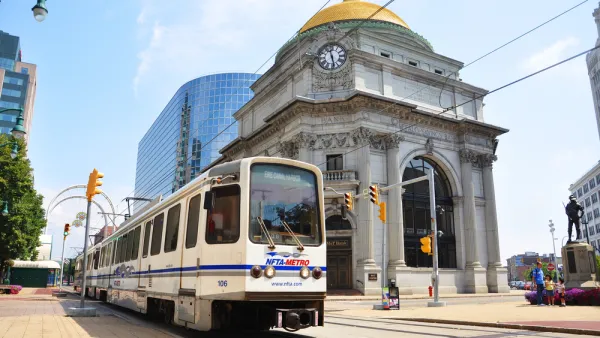
A 21st Century Planning Case Study: Buffalo, New York
Frederick Law Olmsted called Buffalo the best planned city in the United States, but in the second half of the 20th century it transitioned into a prototypical "Rust Belt" city.

Coronavirus a Major New Complication for Extreme Weather Events
Climate change might not allow the relief from the pandemic that many have been hoping for as the country enters the summer months, as evacuations during the hurricane, tornado, and fire seasons will take on new elements of risk.
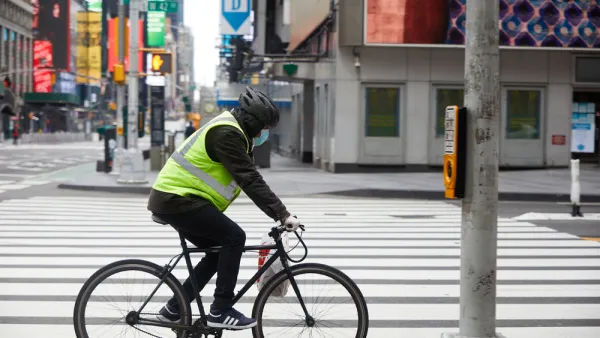
Making Space for the 'Invisible Cyclists' in Post-Pandemic Transportation Planning
As biking gains popularity as a transportation mode during the pandemic, planners are called on to elevate the role of "invisible cyclists"—people of color on bikes—in the process of redesigning and re-engineering streets.
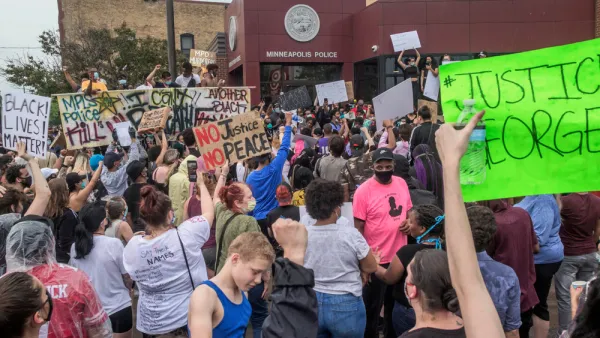
Violence Against Black Americans a Moment of Reckoning for the Planning Profession
After a wave violence against Black men in the United States, it is the duty of the planning profession to consider its role in perpetuating institutional racism.
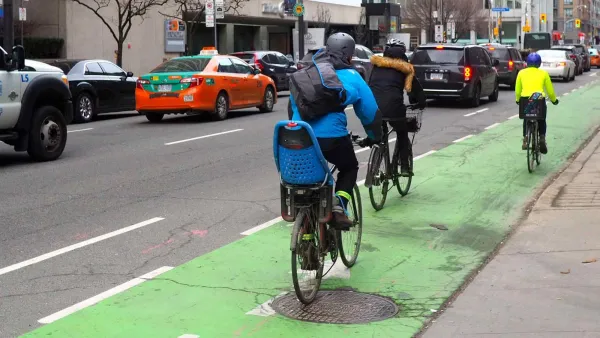
Toronto's Expanded its Bike Infrastructure Network to Run Parallel to Transit Lines
The Toronto City Council approved a quick expansion of bike lanes around the city to provide an alternative to public transit during and after the pandemic.
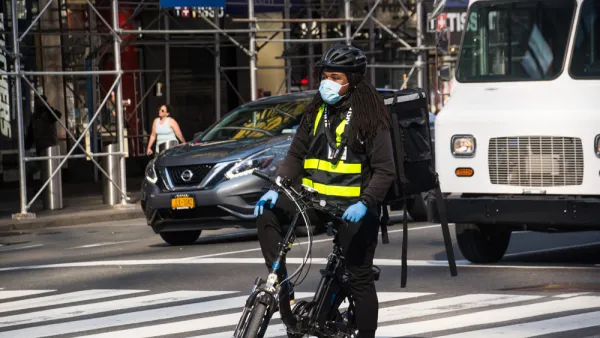
Guide to Planning for Public Health, Published by WHO and the UN
There is no planning without public health, according to a new guide released in a moment of global crisis for both professional fields.
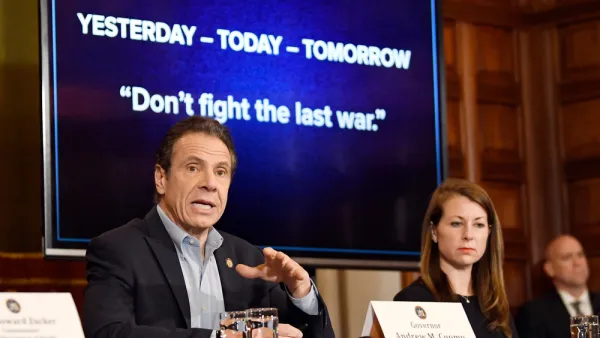
4 Predictions for Urban Planning Post-Coronavirus
The big question for planners since the outset of the pandemic has been how cities and communities will change, and what role planners will take in implementing those changes. Here are four potential ways for urban planning to respond to the crisis.
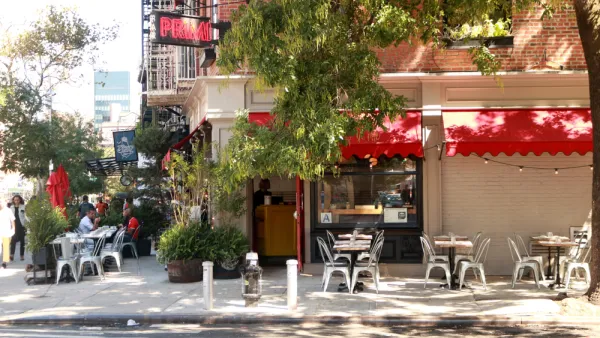
Cities Are Suddenly a Little Less Car-Centric
(Opinion) After devoting more than a century of planning and engineering effort to the movement and storage of cars above all other considerations, U.S. cities have suddenly, temporarily shifted priorities.
Adapting Public Engagement to Social Distancing
TransitCenter published a new report on the emerging practices of public engagement at a time when large gatherings have been prohibited.
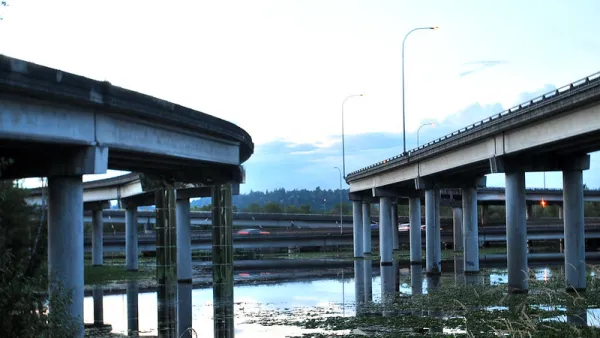
'Ramps to Nowhere' Will Come Down in Seattle as New Debates Heat Up
The history of Seattle's opposition to car infrastructure is being commemorated while it's being made.

New Ideas in Urban Research
Findings from graduating doctoral students undertaking urban-related research.
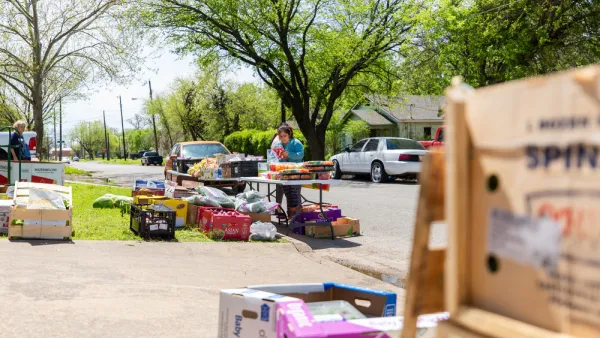
An Antiracist Planning and Policy Response to the Coronavirus
What would a crisis response that finally overcomes the history of slavery and structural racism in the United States look like?
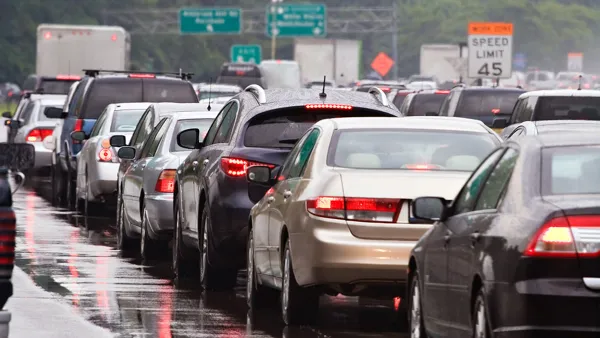
The Commute of the Future: Congested Mess, or Massive Mode Shift?
Researchers around the world are trying to get an idea about how increased automobile trips, fewer shared modes, and high unemployment will alter long-term trends in transportation.
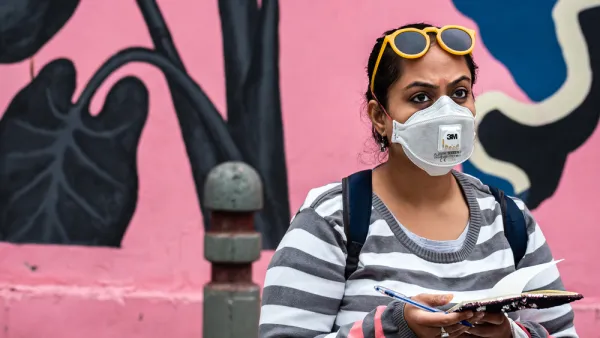
Pandemic a Call to Arms for Planners
The pandemic has raised alarms about density. Post-pandemic, urban planners should fight more passionately than ever for progressive principles that make cities more equitable, pleasant, and, yes, healthy.

FREE Course: Walkable City 1: Why Walkability?
After describing his path towards focusing on walkability as the essence of good planning, Jeff Speck marches through his five principal reasons for making more walkable places.
Reinventing Malls: Planning Alchemy—Turning Gray Fields Into Gold
The course focuses on the opportunities and imperatives that shape reinvention of mall sites.

City of Rosemead
Rutgers University, Edward J. Bloustein School of Planning and Public Policy
One Hundred Miles
University of Michigan School for Environment and Sustainability (SEAS)
Hunter College, City University of New York (CUNY)
The Architects Foundation
City of Cambridge
Montrose County
The Pocatello Development Authority









