Placemaking
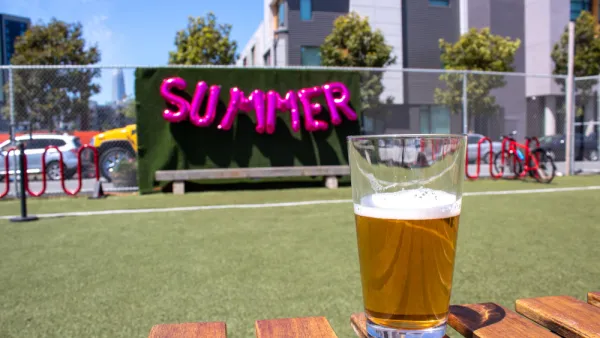
Placemaking for Place Marketing
Looking to boost awareness of the special charms of your unique city? Look for chances to leverage placemaking when place marketing.
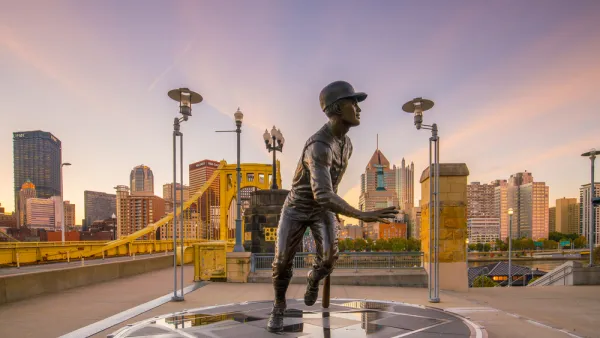
Lessons in 'Transformative Placemaking'
Brookings has collected a year of data on an experiment it calls "transformative placemaking," with case studies from up and down the East Coast.
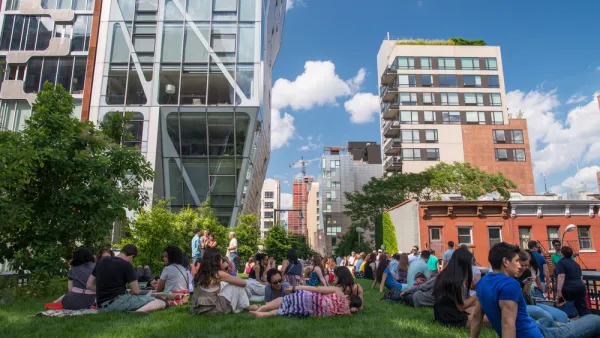
Recoupling Planning and Landscape Architecture
A closer marriage between planning and landscape architecture would mean strong connections between the processes of policy making and place making.
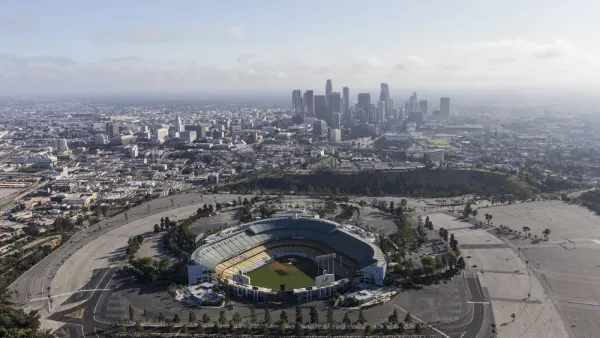
Dodger Stadium as Civic Space with a New Front Door
Janet Marie Smith, famous for helping plan Camden Yards in Baltimore, discusses how Dodger Stadium's 'new front door' will optimize transit and pedestrian access while preserving the field's historic character and sweeping 'postcard views.'
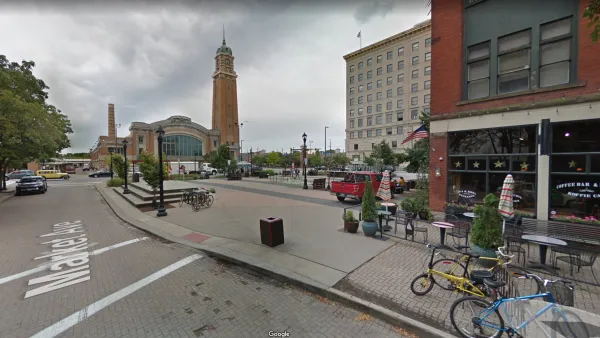
Street Closure, Park Experiment Hits a Snag in Cleveland
In July, a local nonprofit closed down an entire street in the Ohio City neighborhood of Cleveland for a placemaking experiment that had to be partially dismantled before the three-month duration of the program was complete.
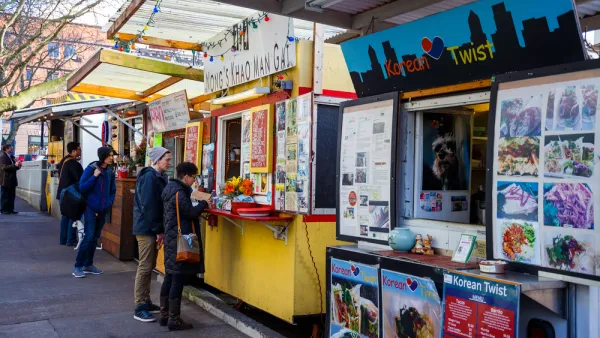
Ode to Third Places
Urban strategist Michele Reeves writes about the of third places importance in the urban fabric.
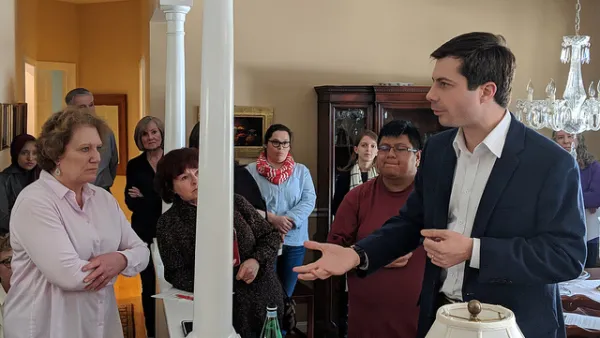
The First Mayor to Become President?
Pete Buttigieg, in his eighth and final year as mayor of South Bend, Indiana, a formerly shrinking Rust Belt city, is on a roll in his bid to capture the Democratic nomination to challenge President Trump next year. The Indy Star looks at his record.
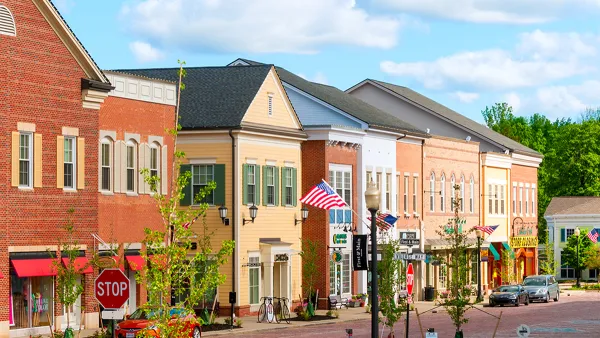
Main Street as a Microcosm of the World
How can a three-day design workshop make a difference? Be a strong local partner able to convene community. Rob Steuteville at CNU Public Square shares lessons learned.
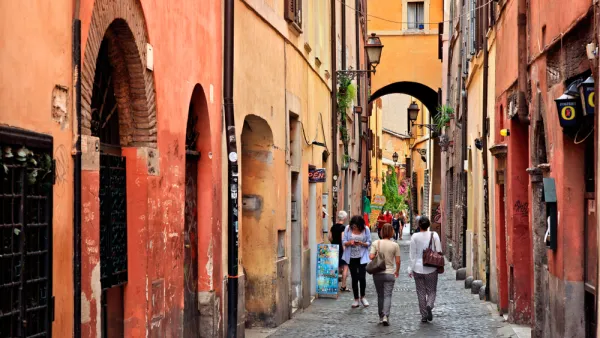
A Good Read for Planners and Peers: Why Old Places Matter
A recent book brings a common sense framework to historic preservation debates.
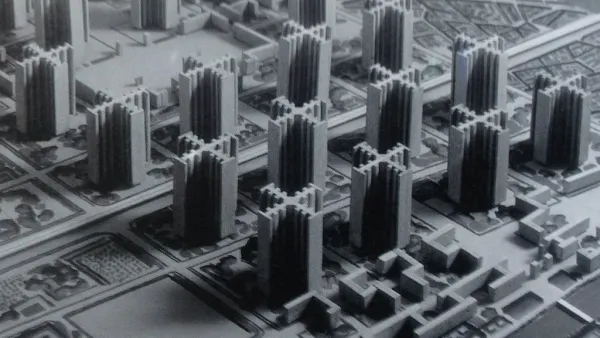
Op-Ed: Utopian Thinking Poses Continued Dangers for Urbanists
Charles Wolfe calls attention to similarities between contemporary urbanism and yesterday's debunked utopias. The two may differ in substance, but both tend toward a certain level of dogma that isn't necessarily helpful on the ground.
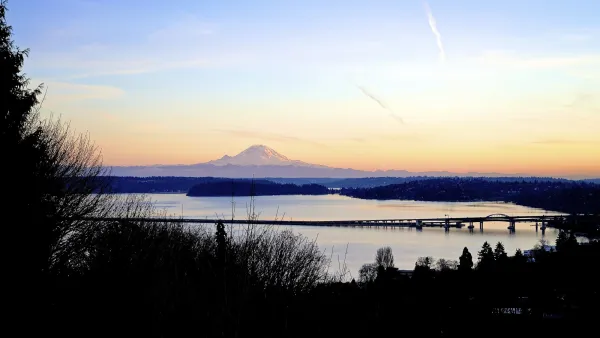
How Setting Makes a Place: A Seattle Retrospective
Chuck Wolfe reflects on his rapidly changing hometown, arguing that Seattle’s signature location and setting—however rearranged by the regrades of the past, Freeway Park, or a pending James Corner-led waterfront remake—remains for all to see.
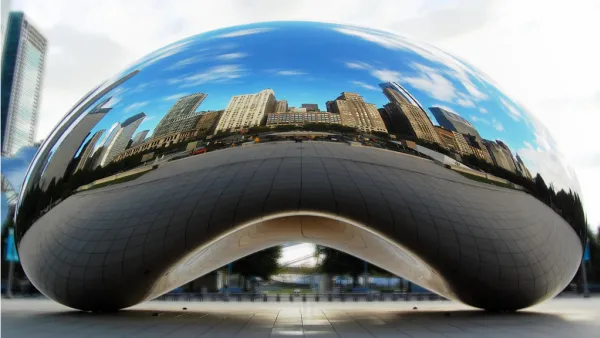
Reexamining Notions of Placemaking
Surveying the public discussion for answers about how to make sense of placemaking.
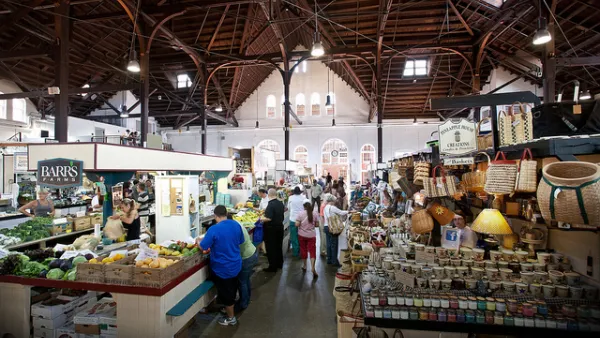
Making the 'Case for Healthy Places'
The Project for Public Spaces recently released a new report titled "The Case for Healthy Places: Improving Health through Placemaking."
8 Tips for Suburban Placemaking
Suburban areas looking to improve public places can try following this advice.
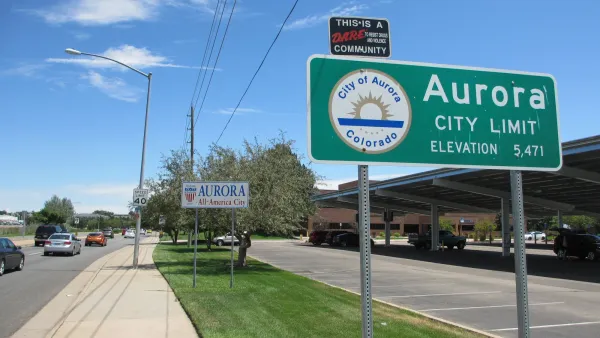
Aurora Rising
This rapidly diversifying community is one to watch as planning for cultural inclusion, social equity, and environmental sustainability become priorities for the American city.
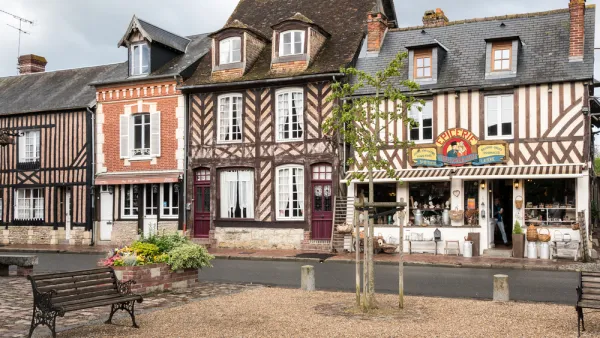
Beuvron-en-Auge: 15th Century Town Planning Stands the Test of Time
Another reason European placemaking has North American applications: it wasn't always perfect. Hazel Borys looks to simple town planning lessons from a village in Normandy.
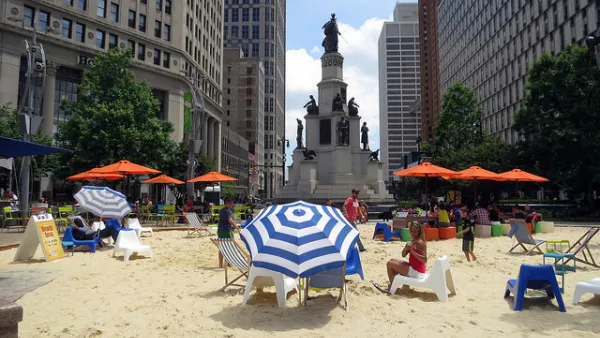
Detroit Making its Streets 'Sticky'
The word "sticky" when applied to the urban design context has come to mean attractive and comfortable—the kind of place that makes people want to stay away and make return visits. Detroit is the latest city to experiment with the concept.
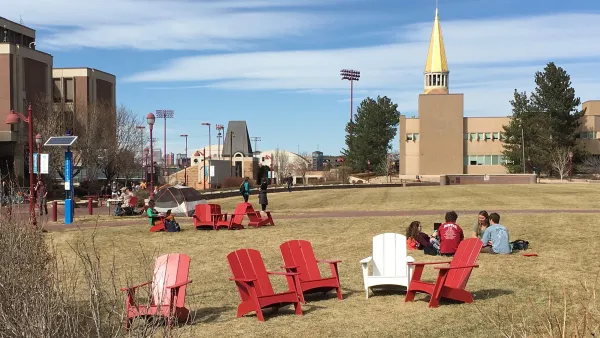
Has Placemaking Become Cliché?
There’s very little that differentiates proposals by four distinguished planning and design firms to better connect my university to its immediate neighborhood and the wider city. Why is that, and does it have to be that way?
Is Placemaking a 'New Environmentalism'?
Like music, environmentalism's tenets evolved from precedent, and Kaid Benfield hopes they are evolving still.
Placemaking: Geek Niche or the Root of Pretty Much Everything?
Placemaking: what does the term really mean? And how it can most effectively serve the needs of the most people. Scott Doyon shares some ideas.

FREE Course: Walkable City 1: Why Walkability?
After describing his path towards focusing on walkability as the essence of good planning, Jeff Speck marches through his five principal reasons for making more walkable places.
Reinventing Malls: Planning Alchemy—Turning Gray Fields Into Gold
The course focuses on the opportunities and imperatives that shape reinvention of mall sites.

City of Charlotte
City of Rosemead
Rutgers University, Edward J. Bloustein School of Planning and Public Policy
University of Michigan School for Environment and Sustainability (SEAS)
Hunter College, City University of New York (CUNY)
The Architects Foundation
University District Partnership









