Micromobility
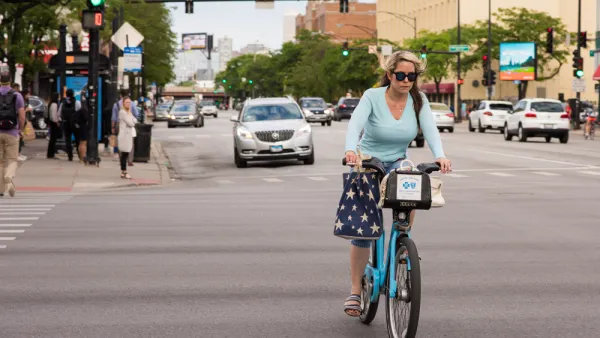
Micromobility Plus Transit Equals Jobs
Linking micromobility options to public transit can improve job acessibility, new research finds.
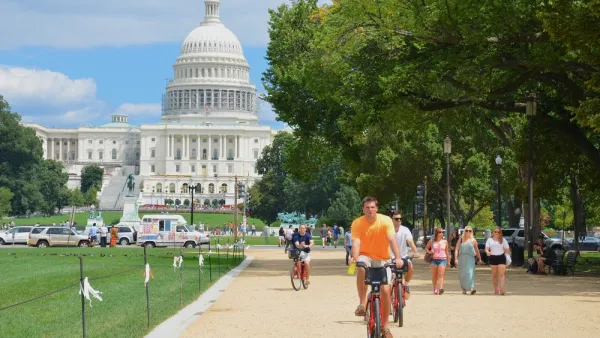
FHWA Issues New Pedestrian, Bike, Micromobility Guidance
The updated federal guidelines incorporate new policies created in the 2021 infrastructure law.
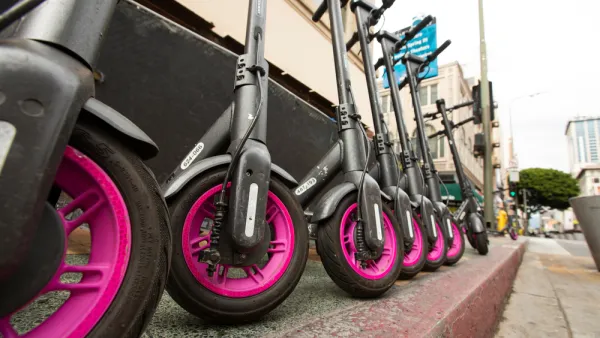
Lyft Shifting to Docked E-Scooters
After failing to deliver on promises of frictionless, free shared mobility, the operator will begin docking its scooters at stations to reduce sidewalk obstructions and eliminate the need to collect scooters for recharging.
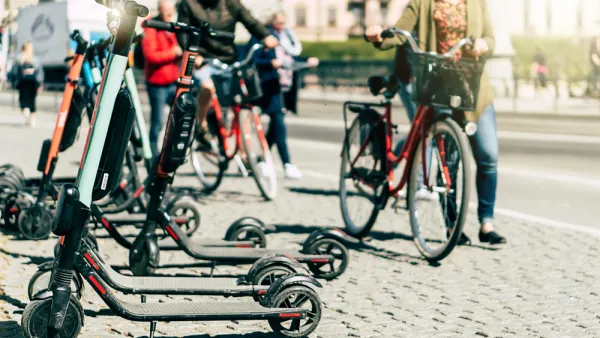
Small Modes Are Beautiful!
Active modes (walking, bicycling and their variants) and micromodes (e-bikes and e-scooters) can provide large climate emission reductions and other important benefits, if we let them. Small modes are important but often undercounted and undervalued.

How Mass Transit Can Adapt to Post-Pandemic Needs
With commuter ridership playing a smaller role in transit operations, agencies must reorganize their services around different travel schedules and patterns.

Hometown Bike Share Company to Launch in Youngstown
A Black-led, family-owned company is bringing e-bikes to the Ohio town.
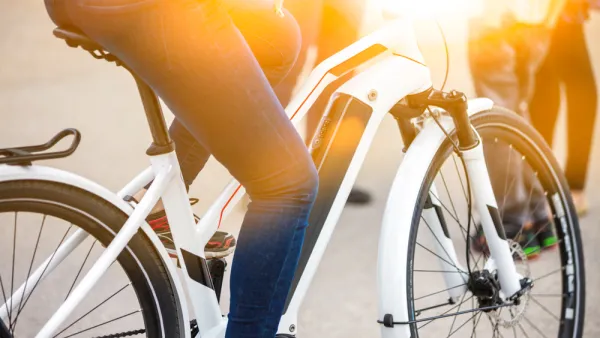
Transportation Predictions for 2023
Seventeen transportation experts and professionals weigh in on what they think trends in the sector will look like in 2023.
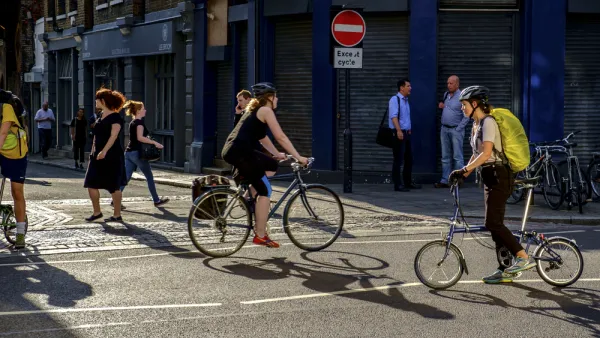
Active and Micro Mobility Modes Can Provide Cost-Effective Emission Reductions–If We Let Them
What role can active and micro modes (walking, bicycling, e-bikes and their variants) play in reducing emissions? Far more than most current emission reduction plans will achieve. We can do better!
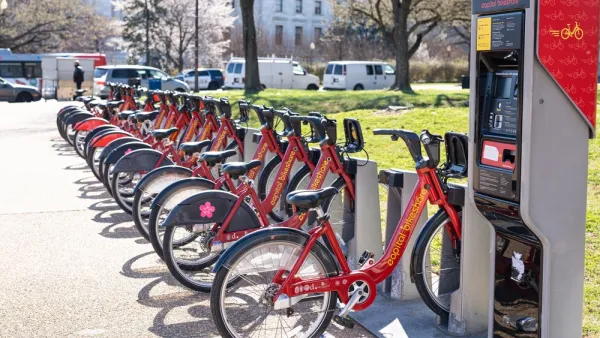
Bikeshare Ridership Up From Pre-Pandemic Levels
Shared micromobility, particularly docked bikeshare systems, are seeing record growth, but ‘scooter inflation’ may cool riders’ enthusiasm.
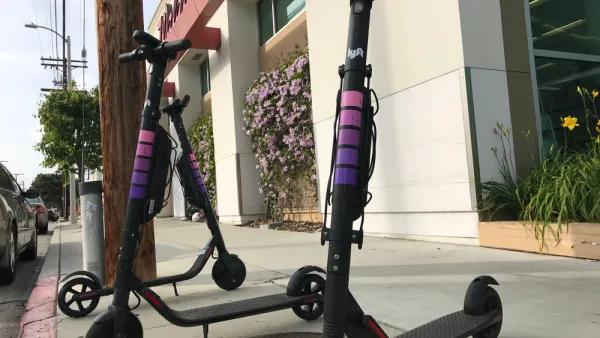
Lyft Pulls Micromobility From Los Angeles Area
The company will no longer provide shared bikes and scooters in the L.A. region, citing a ‘lack of longterm commitment’ from cities.
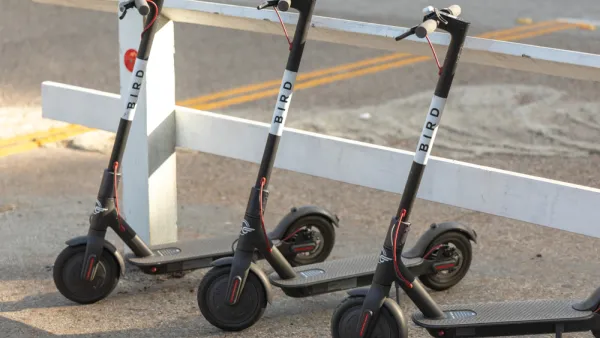
Scooter-Share Company Tosses Financial Reports
Bird was counting money in customers’ digital “wallets” as revenue, and has admitted that financial statements from 2020 and 2021 “should no longer be relied upon.”
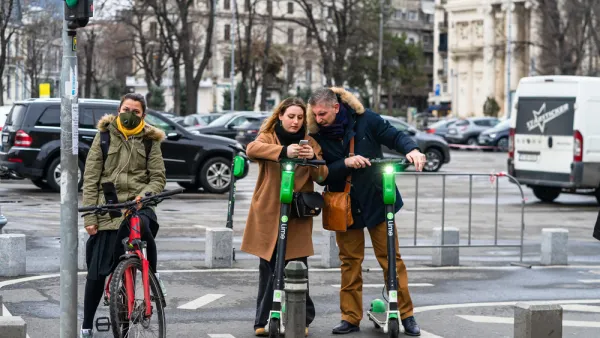
New Data Reveals Shared Mobility's Significant Impact on Emissions
Two new studies show that the adoption of shared micromobility can reduce transportation-related emissions and congestion by substantial margins.
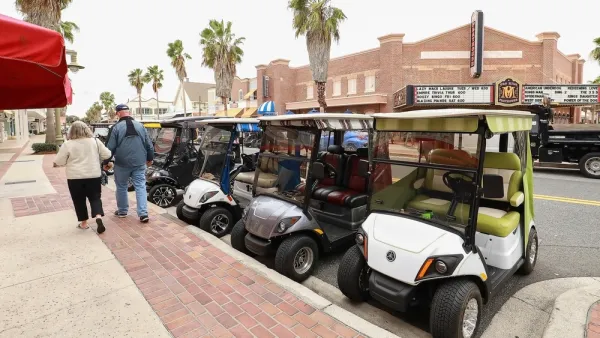
The Disruptive Power of ‘Minimobility’
Small, lightweight vehicles similar to golf carts could eliminate many Americans’ need for a second car and make roads safer for all users.
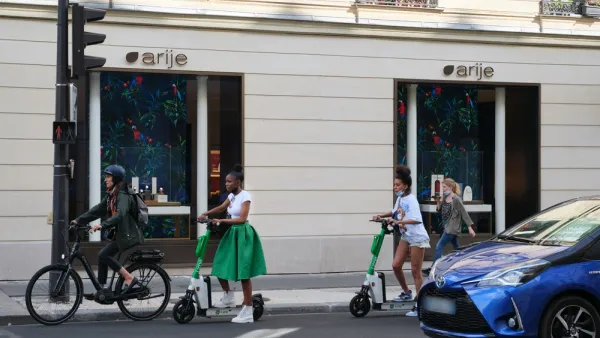
Banning Electric Scooters Results in More, Longer Car Trips, Study Says
Cities should expect to see increases in automobile trips, and resulting consequences, if they ban or limit the use of electric scooters or other micromobility devices, according to new research.

Rivian CEO Talks Battery Tech, Supply Chain Issues
As its electric trucks hit the streets, the electric truck maker has their eye on micromobility and battery supply chains.
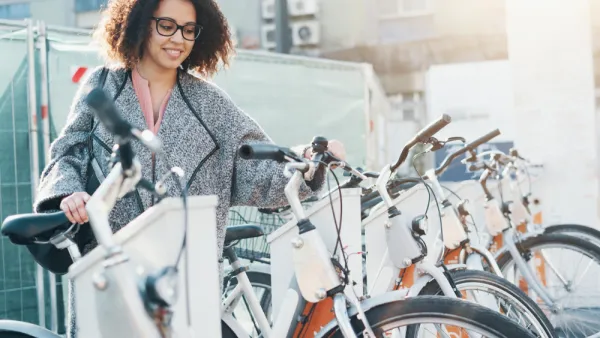
Shared Mobility Ridership on the Rebound
Ridership on shared bike and scooter fleets showed numbers higher than before the pandemic in the second part of 2021, according to a new report.
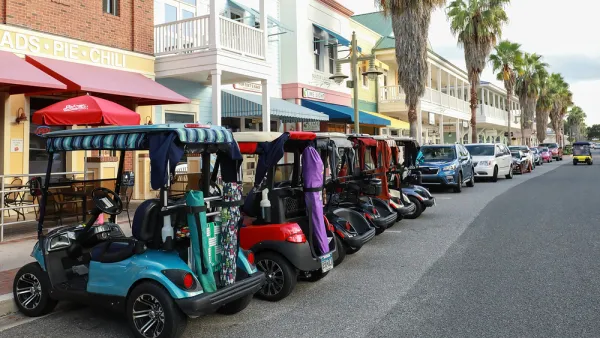
Why Golf Carts Could Quietly Revolutionize Transportation
More communities are catching on to the benefits of golf carts as a safe, low-emissions mode of transport for neighborhood trips.
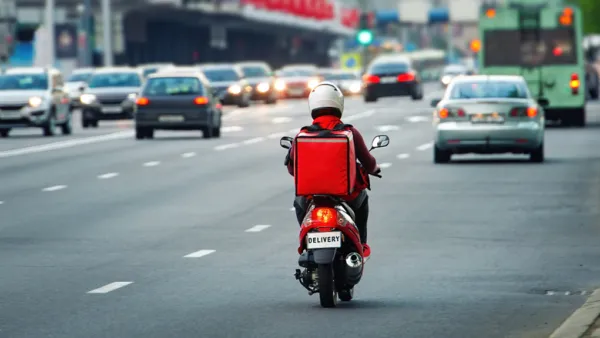
How Micromobility Can Improve Last-Mile Delivery
Facilitating the use of micromobility devices for the last mile of urban deliveries can reduce congestion, lower emissions, and take bigger vehicles off small neighborhood roads.
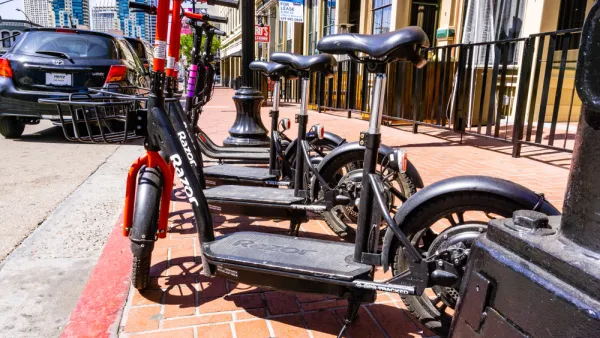
Micromobility Growing in Smaller Cities
Shared mobility services are proliferating in small towns and cities, despite the regulatory hiccups operators have been experiencing in larger markets.

San Diego To Consider Tightening Regulations on E-Scooters
Proposed regulations would limit the popular micromobility devices to two operators, impose new fees, and require more accountability for safe scooter use and parking.

FREE Course: Walkable City 1: Why Walkability?
After describing his path towards focusing on walkability as the essence of good planning, Jeff Speck marches through his five principal reasons for making more walkable places.
Reinventing Malls: Planning Alchemy—Turning Gray Fields Into Gold
The course focuses on the opportunities and imperatives that shape reinvention of mall sites.

City of Rosemead
Rutgers University, Edward J. Bloustein School of Planning and Public Policy
One Hundred Miles
Hunter College, City University of New York (CUNY)
The Architects Foundation
University of Cincinnati Online
City of Cambridge
Montrose County
The Pocatello Development Authority









