Lyft
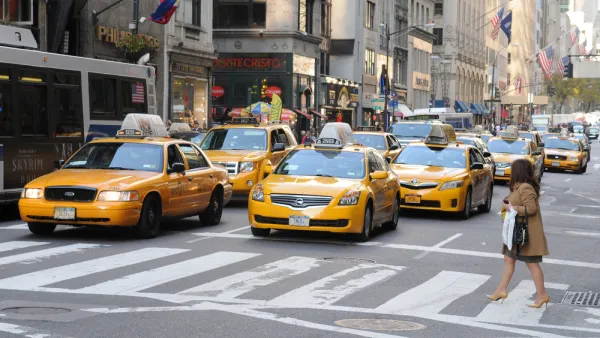
Ride-Hailing Prices Skyrocket as the U.S. Emerges From the Pandemic
A shortage of drivers and spiking demand are driving Uber and Lyft prices higher than ever as the companies struggle to achieve profitability.
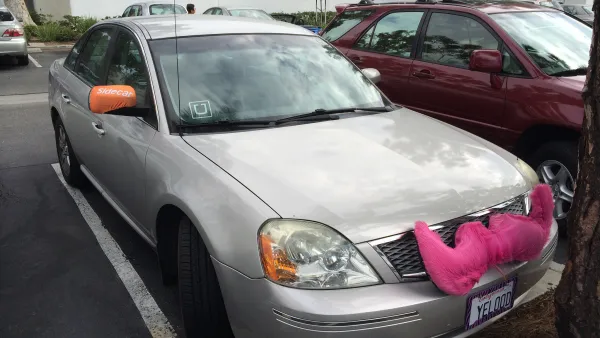
Study: Ride-Sharing Increases Urban Congestion
New research shows that ride sharing contributes to increased congestion and decreased transit ridership.

The Post-Pandemic Future of Rideshare
With pooled services suspended through the pandemic and research showing most users prefer private rides, will shared rides continue to play a role in urban transportation?
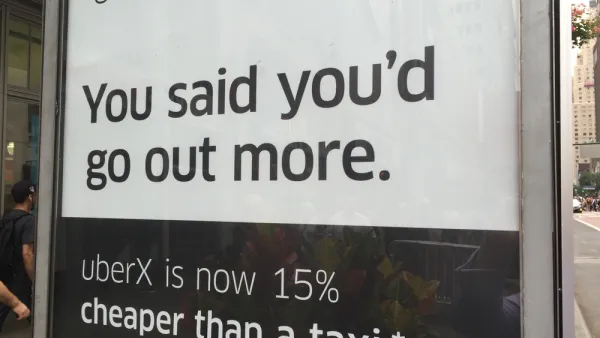
Report: Ride-Hailing Drastically Increases Vehicle Miles Traveled
New research published in Transport Policy finds that ride-hailing companies increase vehicle miles traveled of users by 97 percent in Chicago, 114 percent in New York City, and 118 percent in San Francisco.
The Price of an Uber Ride to Increase in Seattle Jan. 1—to the Benefit of Drivers
A new law setting a minimum wage for Uber drivers takes effect in the New Year.
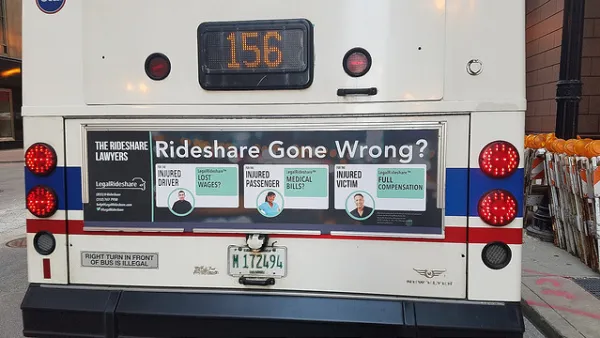
California Voters Chose Uber Over Employment Law—What it Means for the U.S.
After the most expensive initiative campaign in California history, California voters approved Proposition 22 by a wide margin. The consequences of the vote could go national.
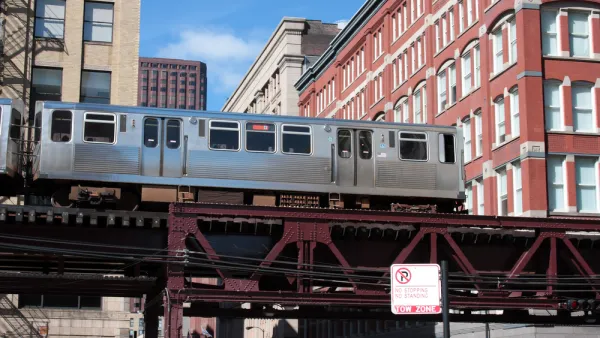
New Research Connects Land Use to Ride-Hailing Trips
Many of the places in Chicago generating the most ride-hailing trips with services like Uber and Lyft are accessible by transit, according to new research.
Ride-Hailing Services Shutdown in California Averted
Uber and Lyft were set to cease operations in California, but an appeals court has granted them a reprieve and the controversy continues.
Ride-Hailing Companies Have Yet to Recover
While public transit tends to make the most headlines for coronavirus-damaged ridership numbers, ride-hailing companies like Uber and Lyft aren't exactly raking in new customers.

Mobility-as-a-Service Providers Disappear Along With Public Transit During Protests
Mobility-as-a-service companies have disappeared when essential workers needed them most, falling short of their promoted role as gap fillers.
Job Losses Strike a Blow to Gig Economy Darlings
Uber and Airbnb both announced massive layoffs this week, after Lyft did the same last week, as the coronavirus pandemic took a toll on very contemporary corners of the economy.
Lyft, Uber Suspend Shared Rides
Ride-hailing companies are responding to the coronavirus pandemic with actions that can protect both drivers and riders.

The Smart Cities Revolution Happened, but Cities Were Left Out of Loop
Cities have transformed in profound ways, but more recent changes were the last part of a series of technology waves.
The Final Major Holdout in North America Finally Welcomes Uber and Lyft
After a brief appearance in 2012, ride-hailing companies like Uber and Lyft had yet to touch down in Vancouver, British Columbia. That changed on January 24.
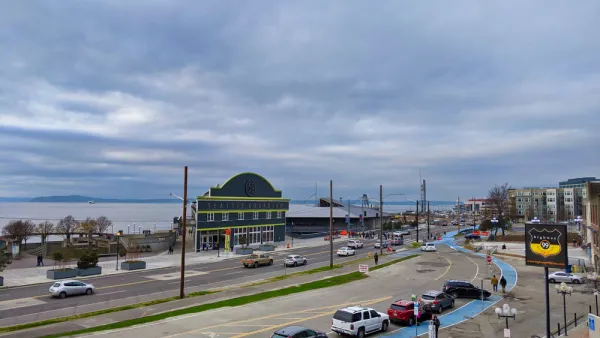
Seattle Raising Taxes on Uber and Lyft Rides
A new 57-cent tax will help fund affordable housing and a few transportation programs in Seattle.
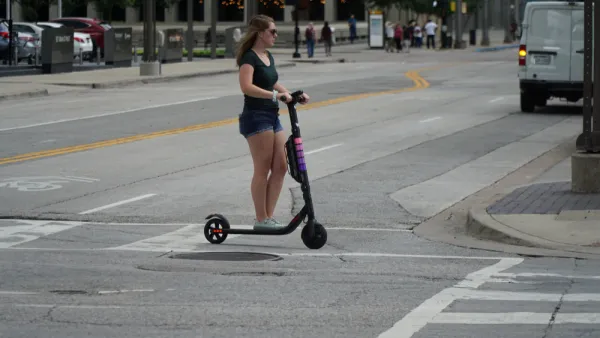
Density Drives Demand for Electric Scooters
Lyft is ceasing operations of its electric scooter business in six U.S. cities, citing the lack of population density as a reason business struggled in those markets.
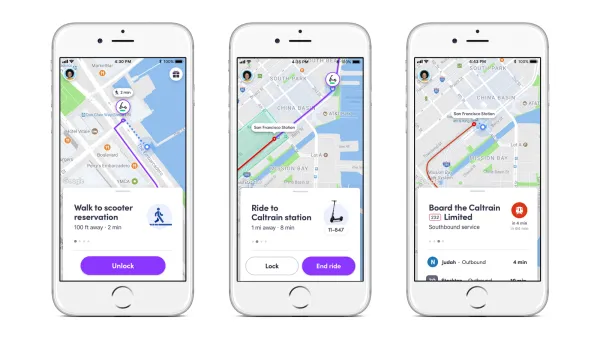
Lyft App Offers Multimodal Travel Information
The app is expanding to include information about public transit and micromobility options as part of Lyft’s goal to make travel easier.
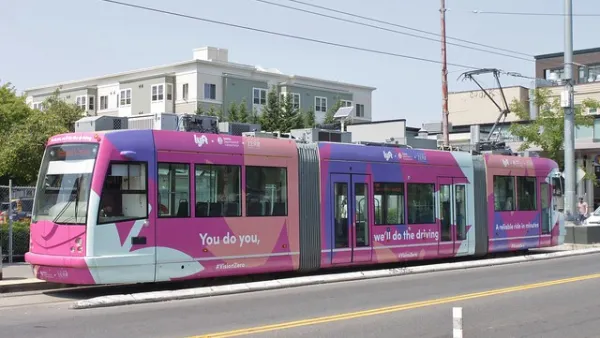
Ride-Hailing Tax to Fund Affordable Housing on the Table in Seattle
Seattle would join cities like New York, Chicago, and Washington, D.C. in taxing rides with companies like Uber and Lyft. Seattle would use some of that revenue to fund affordable housing projects.
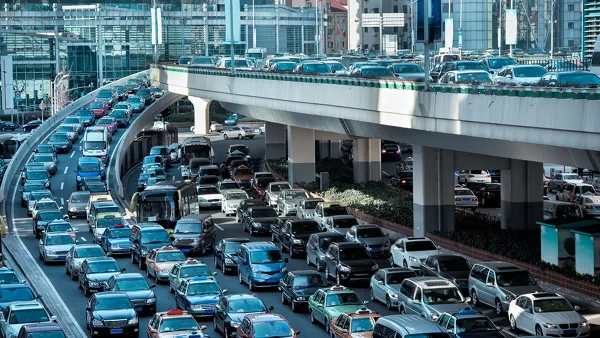
How Much of Traffic is Created by Uber and Lyft?
New data from Fehr & Peers shows services like Uber and Lyft account for a larger share of the total traffic than previously thought, especially in city centers.
$60 a Day to Commute by Lyft. Is it Worth It?
By paying 1,400 employees up to $60 a day, an employer could pay more than $80,000 a day to lessen the number of cars parked at the office.

FREE Course: Walkable City 1: Why Walkability?
After describing his path towards focusing on walkability as the essence of good planning, Jeff Speck marches through his five principal reasons for making more walkable places.
Reinventing Malls: Planning Alchemy—Turning Gray Fields Into Gold
The course focuses on the opportunities and imperatives that shape reinvention of mall sites.

KFH Group Inc.
Greater Baltimore Committee
Eagle County Government
The Architects Foundation
University of Cincinnati Online
The Pocatello Development Authority
The Urban Renewal Agency of the City of Pocatello