Complete Streets
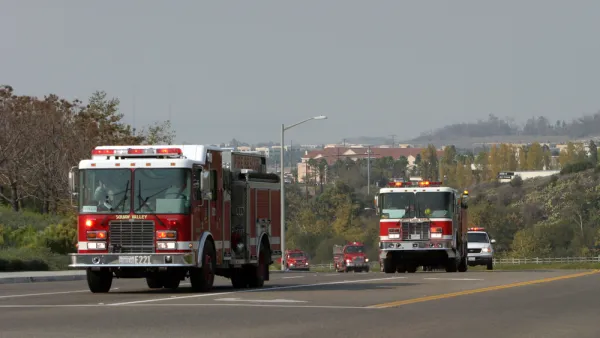
Opinion: How Fire Chiefs and Traffic Engineers Make Places Less Safe
Fire standards and street design manuals, meant to protect people, actually make them less safe by damaging walkability and encouraging driving—a classic example of silo thinking.
Seattle Hoping to Extend a Successful Traffic Safety Project
After repainting the lanes on Rainier Avenue in Seattle, the street works better for everyone. If it's that easy, why isn't the model implemented more widely?
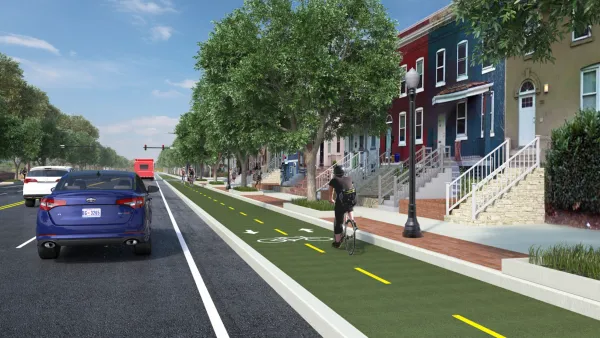
Another Protected Bike Lane Proposed for Washington, D.C.
An early look at designs for a protected bike lane on Florida Avenue shows the District Department of Transportation keeping pace with its tradition of ambitious bike infrastructure projects.
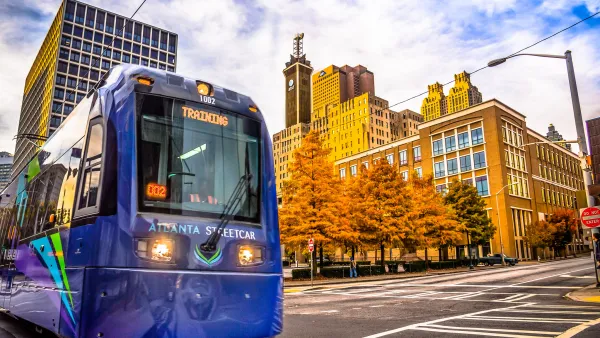
Election Outcomes Put Atlanta Metro Region on Two Different Transportation Paths
Three sales tax measures in Fulton County all won on Nov. 8. Two city ballot measures sets a course for investment in public transit and active transportation for Atlanta, while Fulton County will invest in road projects to reduce traffic congestion.

An Early Win for Clinton on the Penultimate Day of Election
With Pennsylvania a battleground state and Philadelphia a Democratic stronghold, ensuring that transit-dependent voters get to the polls was a given, but a transit strike beginning Nov. 1 threatened to derail access. The strike was settled Monday.
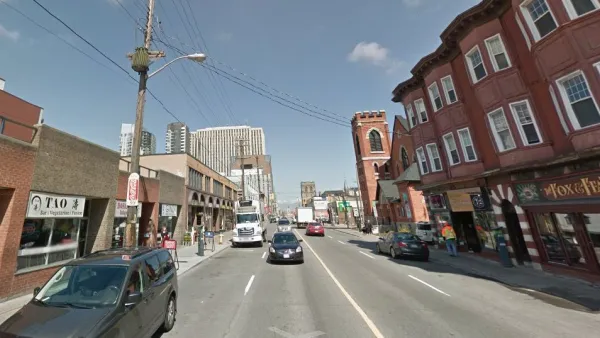
Ottawa Learns Street Design Can't Please Everyone
The city of Ottawa's plan to make improvements to Elgin Street has elicited conflicting opinions between businesses, residents, and commuters on what should be prioritized in order to make a better street.
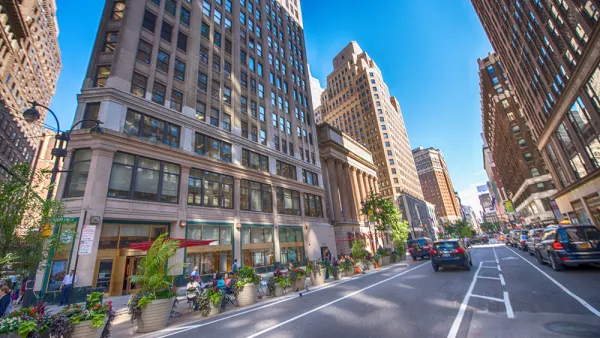
How Far Can You Take Complete Streets?
8th Avenue was one of New York’s first "complete streets." Coined in 2003, the term refers to including cars, pedestrians, bikers, and public transit into city thoroughfares instead of prioritizing cars. Today, the trend is growing to other cities.
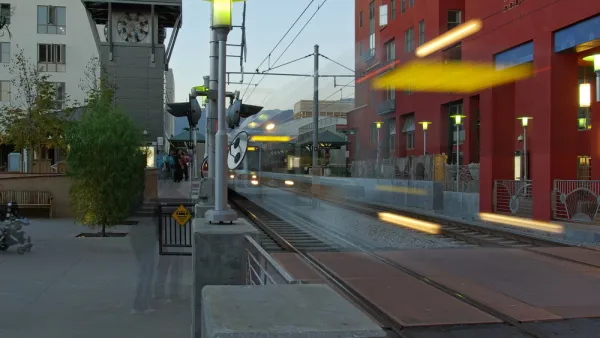
Pasadena Eases Into Bikeshare, Complete Streets
Located northeast of downtown Los Angeles, Pasadena is a "destination city" of its own. A recent push to make its streets more bike-friendly coincides with the upcoming arrival of bikeshare.
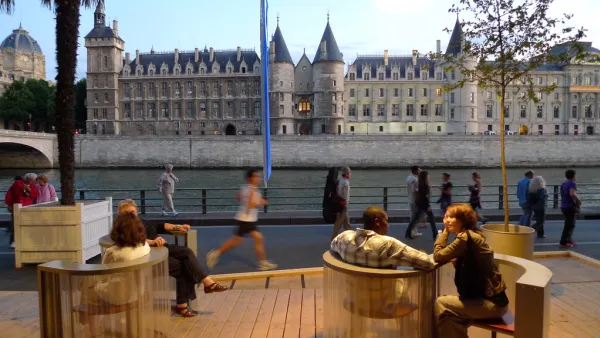
New Report Highlights the Many Benefits of Urban Walkability
"Cities Alive," an attractive new report by Arup, one of the world's largest engineering firm, highlights the significant social, economic, environmental and political benefits of walking.
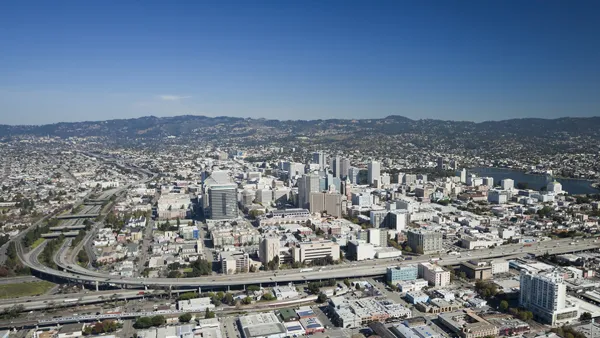
Oakland Gets a Department of Transportation
Oakland's new DOT will take a "complete streets" approach to transportation planning.
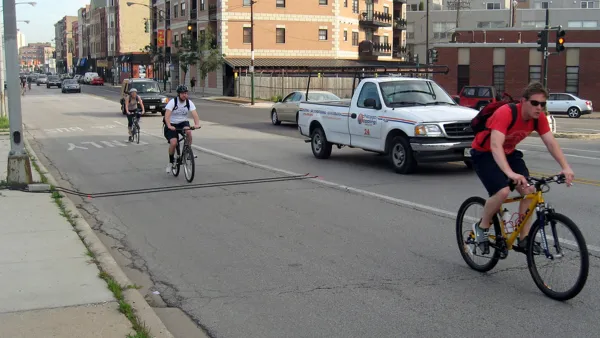
Bike Advocates Hone Data Tools
NextCity surveys a variety of new data-collecting technologies meant to clarify the impacts of bike and pedestrian infrastructure projects.

Planetizen Week in Review: June 3, 2016
Planetizen Managing Editor James Brasuell shares some of the biggest news and announcements from the week in planning, land use, and related topics. All in two minutes and 30 seconds.
Minneapolis Puts Pedestrians First in Adopting New Complete Streets Policy
Expanding on the complete streets policies that have come before it, the new Minneapolis complete streets policy prioritizes users: first pedestrians, then bikes, then transit, and, finally, cars.
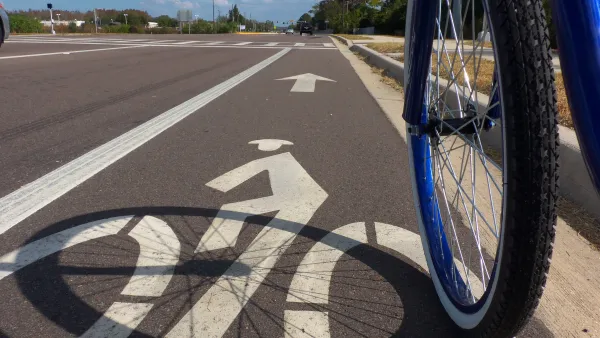
Federal Rule Changes Remove Obstacles to Multi-Modal Streets
The Federal Highway Administration (FHWA) made official a set of rule changes that overthrow an old way of thinking about street design.
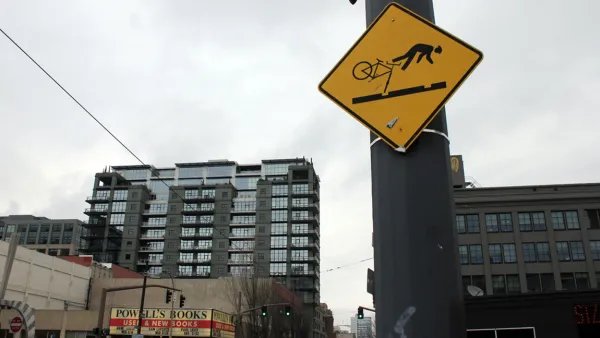
Portland Finds a Cheap Way to Protect Bike Lanes
It's the little things that count—especially when it comes to building safety infrastructure onto streets so that they better serve all modes of transportation.
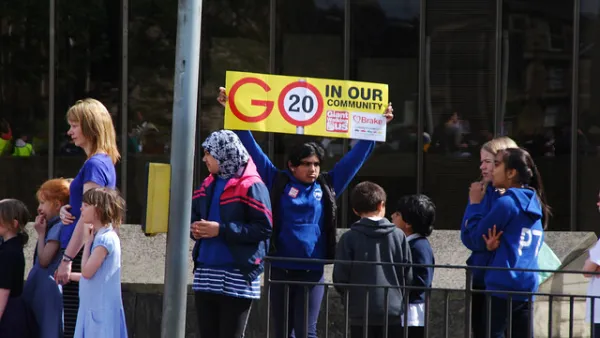
Boston Lowers Speed Limits to 20 MPH—Columnist Sees Opportunity for Satire
A Boston Globe columnist met the news that the city would reduce speed limits to 20 mph on some residential streets with scorn and snark.
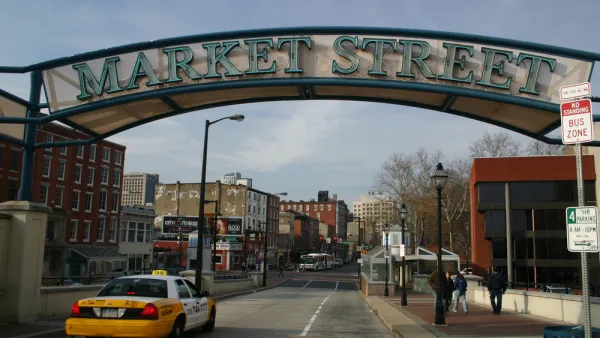
A Plan to Make Philadelphia's Market Street More Like Main Street
Changing demographics and mobility choices along the historic Market Street in Philadelphia have planners looking for ways to implement a road diet and put safety first.

Bringing Pedestrian Life Back to Little Havana
Planners have set their sights on the Little Havana neighborhood of Miami with the goal of turning the area's car-centric Calle Ocho into a ped-friendly Main Street.
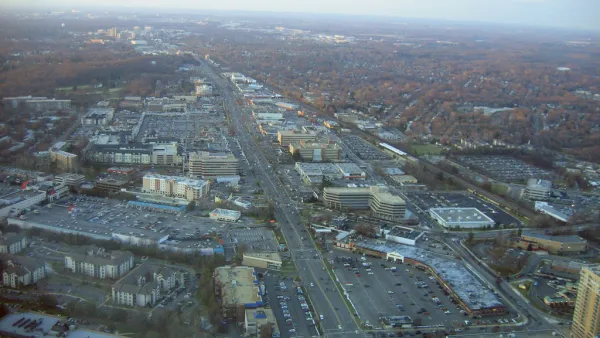
Op-Ed: An 18-Lane Street Is Too Complete
Rockville, Maryland has plans to create a king-sized complete street along Rockville Pike, incorporating lanes for cars, bikes, buses, and more space for landscaping. But can a street like that still serve pedestrians?
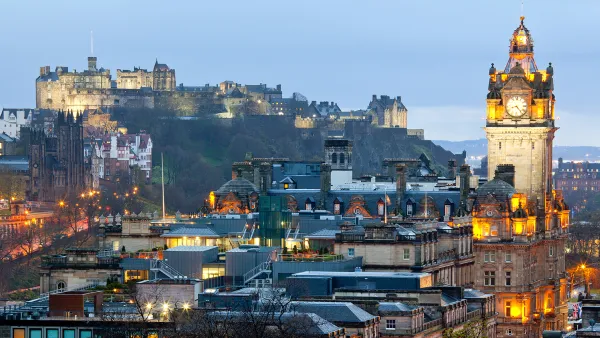
Edinburgh Sets 20-mph Speed Limit
Citing pedestrian and cyclist casualties, the Scottish capital will reduce speed limits on 80 percent of its streets to a mere 20 mph. Backers are pushing for additional complete streets improvements.

FREE Course: Walkable City 1: Why Walkability?
After describing his path towards focusing on walkability as the essence of good planning, Jeff Speck marches through his five principal reasons for making more walkable places.
Reinventing Malls: Planning Alchemy—Turning Gray Fields Into Gold
The course focuses on the opportunities and imperatives that shape reinvention of mall sites.

City of Rosemead
Rutgers University, Edward J. Bloustein School of Planning and Public Policy
One Hundred Miles
Hunter College, City University of New York (CUNY)
The Architects Foundation
University of Cincinnati Online
City of Cambridge
Montrose County
The Pocatello Development Authority









