American Community Survey
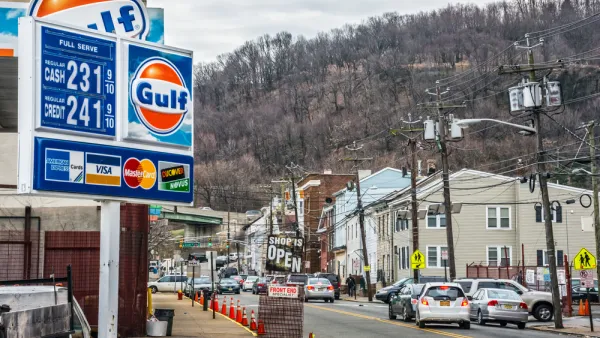
Mid-Sized Cities Make Car-Free Gains
Several cities located in the Northeast, especially in the New York region, saw a significant increase in the number of car-free households.
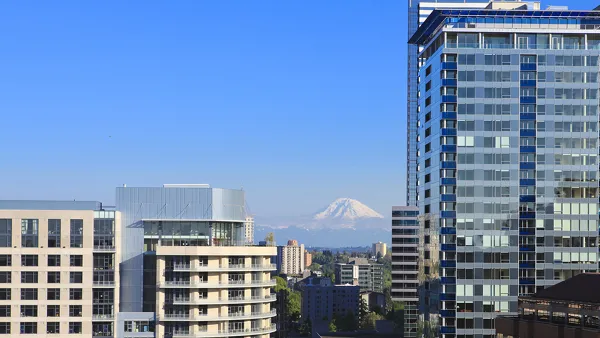
Census: Seattle Quickly Ascending the Ranks of Most Expensive Cities to Rent
New American Community Survey Data reveals the cities where renters are paying the most.
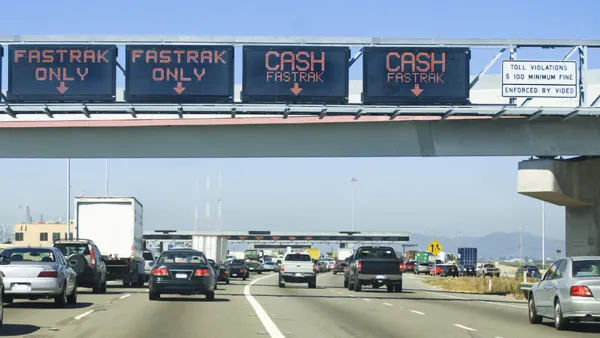
Analysis Debunks Equity Criticism of Congestion Pricing
Oregon's recently approved gas tax legislation also calls for tolling of I-205 and I-5 in the Portland metro area, with the application of value or congestion pricing so peak period tolls would be higher, which have raised equity concerns.

Study: Integrated Neighborhoods More Common Across the U.S.
A Harvard study suggests that since 2000, the number of Americans living in racially integrated neighborhoods has risen. But this may be a temporary effect of gentrification, and integration remains an exception to the rule.

Travel Trends: Are They Changing?
Recently released travel data show Americans returning to their cars as the economic recovery deepens. Alternative forms of transportation are not attracting new users.

New Poverty and Income Data Reveals a Tale of Two Types of Cities
While the country overall made progress, larger cities are making stronger gains against poverty.

Slowly But Surely, Commutes Are Changing
Finding the answers to the questions posed by the latest transportation data from the American Community Survey will determine the best use of limited resources for infrastructure investment and planning.

Trump Administration's Draft Budget Raises New Concerns About Data Collection
President Trump has made no secret of his disdain for many of the traditional data points used to represent the health and prosperity of the country. The budgetary process offers an opportunity to match words with action.
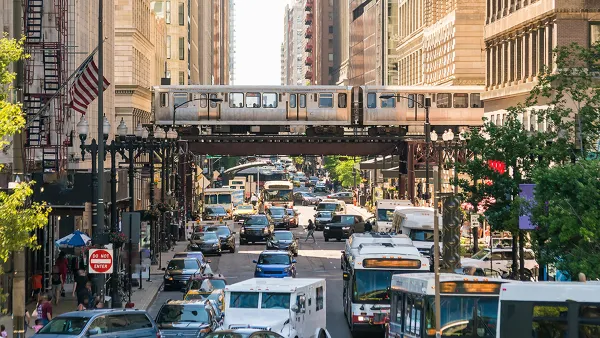
Commuting in America 2015
Is commuting Deplorable? Can we Make Commuting Great Again? It is sometimes necessary to resort to hyperbole to draw attention to real data.
A First Look at New Migration Data
The American Community Survey released new data on the who and where of migration.

DataUSA: An Intuitive Tool for Public Data
A collaboration between Deloitte, Datawheel, and MIT has produced an intuitive aesthetically-pleasing gathering point for public data in the United States. Specific locations and industries boast easy-to-read profiles.
Report: High Housing Costs Responsible for California's Economic Woes, Not Taxes
The Golden State attracts high-end workers, while its high housing costs cause a disproportionate number of low and middle income workers to flee the state. The non-profit think tank, Next 10, delves into this crisis in three new reports.

Empty Nesters Stuck in the Suburbs
Just when boomers are ready to return to the city to enjoy all its cultural offerings, they find themselves priced out. Many do downsize, however, from large single family homes to more urban areas close to home.
New Research Explains Why Only Some Neighborhoods Get Bike Infrastructure
Canadian researchers made the case at the Transportation Research Board this past week that improved bike infrastructure and neighborhood gentrification go hand in hand. They used research gathered fromi Portland and Chicago.
Census Data Reveals Slight Decline in Racial Segregation
It's too soon to declare the beginning of the end for segregation, but one demographer is hopeful that there are opportunities to better integrate different racial groups.

Millennials Can't Change U.S. Driving Habits Alone
Yonah Freemark throws cold water on the notion that the country is becoming less auto-dependent. Yes, millennials are less auto-oriented than older were, but they haven't stopped per-capita vehicle miles traveled from increasing.
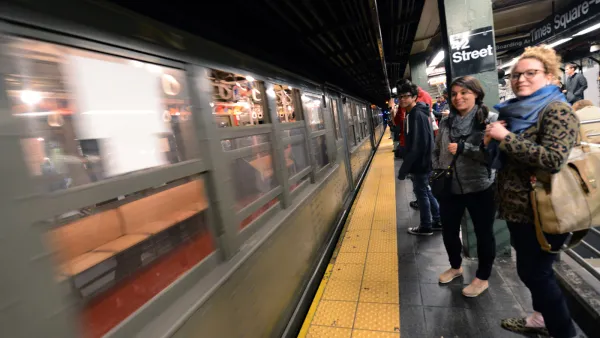
The Most Popular Forms of Alternative Transportation
When it comes to the Census, the term "alternative transportation" makes perfect sense. Eric Jaffe looks at the 15 metropolitan areas with the lowest auto commuting and describes the most popular alternatives.
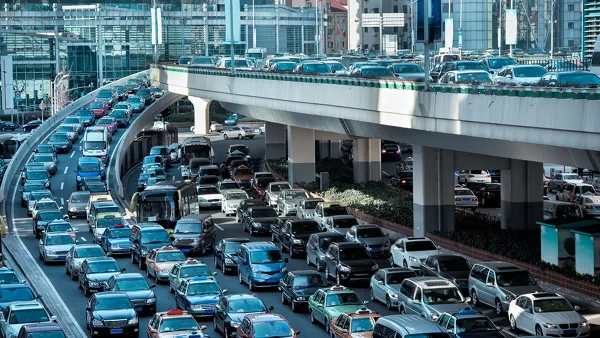
Mapping the Country's 38 Million Epic Commutes
The Wonkblog team puts new American Community Survey data to good use.

Yes, Urban Millennials Do Drive Less
Proof from the Census Bureau's latest American Community Survey on commuting by auto shows that millennials, if they live in cities, do indeed drive less. Census researcher Brian McKenzie describes the finding in the bureau's blog, Random Samplings.
Bay Area Leads the Nation in Reducing Solo Commuters
According to the Census Bureau's American Community Survey on commuting to work, one subregion in the Bay Area can claim accolades for having achieved the largest drop in solo-commuting from 2006, scoring the third lowest drive-alone rate in 2013.

FREE Course: Walkable City 1: Why Walkability?
After describing his path towards focusing on walkability as the essence of good planning, Jeff Speck marches through his five principal reasons for making more walkable places.
Reinventing Malls: Planning Alchemy—Turning Gray Fields Into Gold
The course focuses on the opportunities and imperatives that shape reinvention of mall sites.

Eagle County Government
Harvard University Graduate School of Design
Nashville Planning Department
The Architects Foundation
University of Cincinnati Online
The Pocatello Development Authority
The Urban Renewal Agency of the City of Pocatello
Journal of the American Planning Association