Affordability
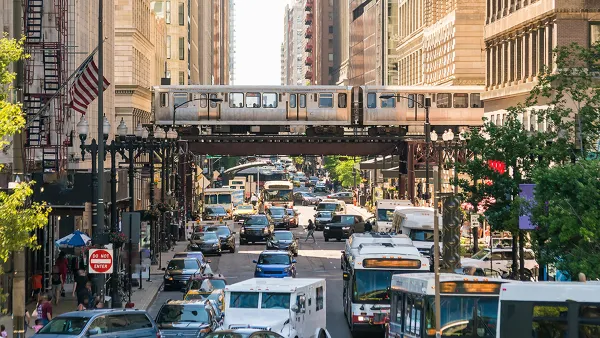
Multimodal Transportation for Economic Freedom, Opportunity, and Security
Motor vehicles are expensive to own and operate. Many lower-income households spend more on transportation than they can afford due to a lack of affordable mobility options. The solution is more multimodal planning.

Dan Savage: Doing Something Real About Gentrification and Displacement
Urbanites' complaints about gentrification have much in common with suburbanites' complaints about commutes. Scarcity due to the ridiculous amount of land zoned for single-family housing deserves as much blame for displacement as gentrification.
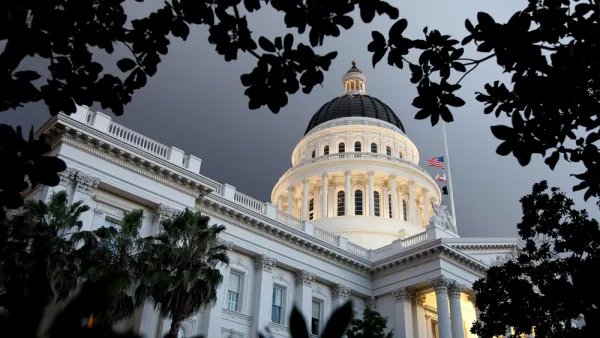
Op-Ed: Sacramento Drags Feet on Housing
Dan Walters has some harsh words for California state leaders. He says their approach to the housing shortage has been "tepid" and "lackadaisical."

A Path to Looser Land Use Regulations
Harvard economics professor Edward Glaeser discusses the research on local land use controls, and why it makes sense to reevaluate them. Successful approaches may start at the state level.
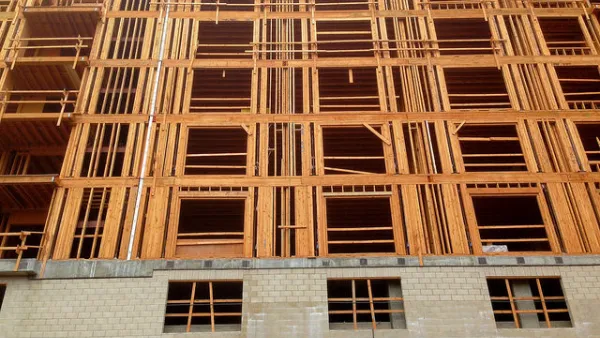
Op-Ed: Affordability Depends on Market-Rate Housing
California State Senator Scott Wiener argues that advocating for subsidized affordable housing isn't enough. Anyone concerned with ending the state's housing crisis needs to get behind market-rate development.

Rent Control: Illegal in Seattle Since 1981
For a long time now, rent control hasn't been an option to control housing prices in Washington state. Whether rent control works is another question entirely.

Reduced and More Accurate Parking Requirements
For each dollar motorists spend on their vehicles somebody spends more than a dollar to park it. To reduce these costs many jurisdictions are eliminating or reducing parking requirements and encouraging more efficient parking management. You can too!
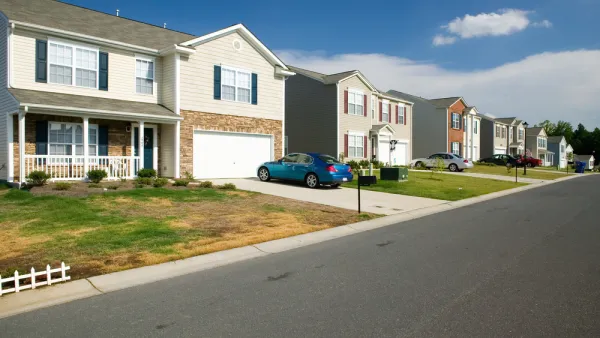
What If We Stopped Considering Housing an Investment?
If Americans viewed housing as what it essentially is, a consumable good, solutions to our ongoing affordability crisis might just present themselves. And we'd probably loosen a lot of land use regulations.

Unveiling Renters' Hidden NIMBYism
This research shows that renters in high-cost cities can be just as prone to NIMBYism as homeowners, even as they theoretically support more housing. This is housing supply's collective action problem.

Research: Gentrification Follows Falling Crime
It isn't exactly a surprising correlation: gentrification and decreases in crime. This research finds that falling crime often precedes gentrification, not the other way around.

Op-Ed: Exclusionary Zoning Worsens Education Gap
Pete Rodrigue pulls from multiple studies, arguing that zoning contributes to an education gap between rich and poor students. Housing costs lie at the heart of the problem.
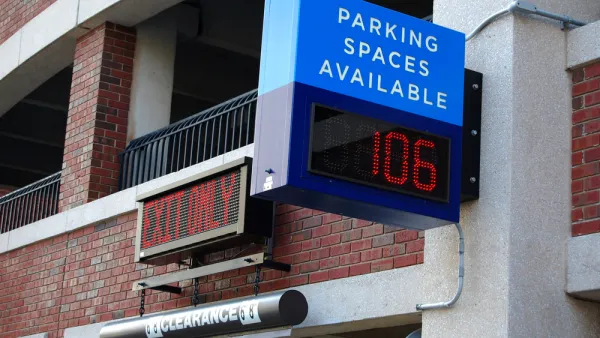
Transit Up, Parking Down in Seattle
Facing an affordability crisis, Seattle is betting on dense, walkable development. The transition away from guaranteed parking promises to be no easier here than elsewhere.
Rising Rents, Stagnant Economy
Since the 1970s, many American cities have played host to rising rents and stagnant incomes. Richard Florida writes about how the "great rent squeeze" might be choking the country's economic prospects.
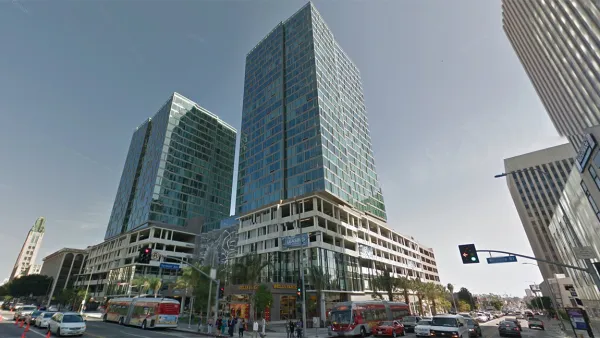
Op-Ed: Build a Dense Wilshire Corridor to Ease L.A.'s Housing Woes
Thom Mayne proposes a radical solution to Los Angeles' affordability/preservation problem: build up transit-friendly areas far beyond current densities, and leave the rest unchanged.
A New Guide to Revitalizing Cities Around the World
A major study by the Harvard University Graduate School of Design, "Revitalizing Places: Improving Housing and Neighborhoods from Block to Metropolis," identifies planning strategies to improve housing and urban development practices.

Truly Responsive and Inclusive Planning
Current planning practices can alienate some voters, which contributed to Donald Trump’s success in the recent US election. How have planners contributed to this problem, and how can we achieve more responsive and inclusive planning?

Leadership Shakeup at the Atlanta BeltLine
All is not well at the Atlanta BeltLine Partnership, after two prominent board members, including Ryan Gravel, who originally proposed the idea for the BeltLine, resigned this week.
As Affordability Worsens, State and Local Governments Act on their Own
New data points to the continued worsening of rental housing affordability. Due to a lack of federal response, some state and municipal governments are taking matters into their own hands in an attempt to add to their supply of affordable housing.

Clearing the Path for Tiny Houses
Clocking in at less than 500 square feet, tiny houses are in greater and greater demand. They've been touted as a means to address affordability, inequality, homelessness, and environmental concerns. But regulatory issues are holding them back.
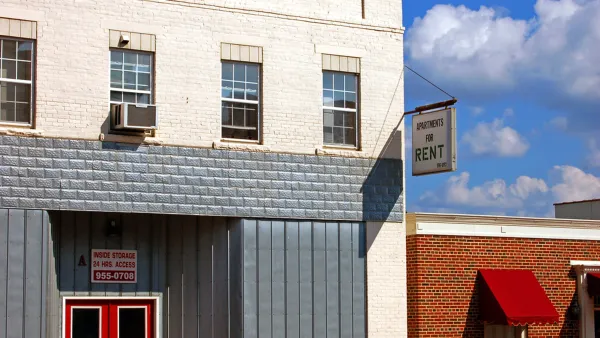
Op-Ed: We Shouldn't Rush to Regulate Airbnb
Is Airbnb a prime target for regulation, or is it just another way to expand the marketplace for bedrooms? Dan Bertolet urges caution. After all, couldn't less Airbnb just mean more hotels?

FREE Course: Walkable City 1: Why Walkability?
After describing his path towards focusing on walkability as the essence of good planning, Jeff Speck marches through his five principal reasons for making more walkable places.
Reinventing Malls: Planning Alchemy—Turning Gray Fields Into Gold
The course focuses on the opportunities and imperatives that shape reinvention of mall sites.

City of Thousand Oaks
City of Wisconsin Rapids
Harvard University Graduate School of Design
The Architects Foundation
University of Cincinnati Online
The Pocatello Development Authority
The Urban Renewal Agency of the City of Pocatello