Accessibility
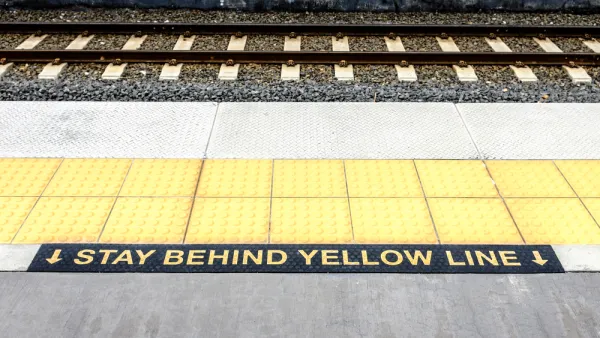
Google Doodle Commemorates Those Bumps on the Edge of the Transit Platform
Today's Google Doodle celebrates an important component of accessibility and mobility for the visually impaired.
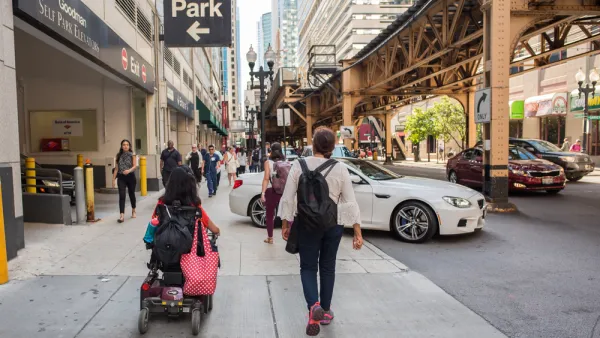
Comic Reveals the Difficulties of Navigating the World With Special Needs
A comic strip called "Spinning Our Wheels' explores the difficulties of navigating Chicago with a special needs child.
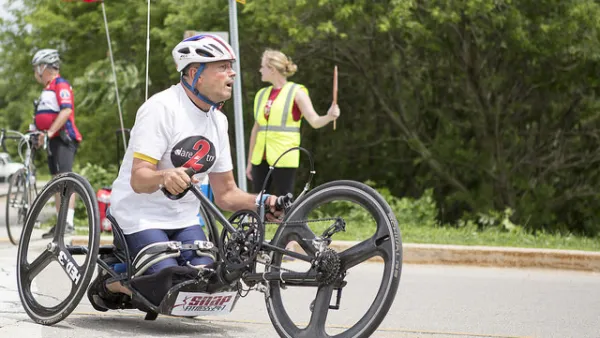
Bikeshare Programs Lack Accessible Options
City bikeshare programs are failing to provide equal access for disabled residents, the Times reports.
Thumbs Down to Planning Rules of Thumb
In planning, a number of common principles of practice are widely accepted. However, an alternative set of guidelines can better serve as information and decision-making tools.
MTA Riders Using Wheelchairs Face Problems Even on Wheelchair Accessible Buses
It's not enough for buses to be equipped with lifts or unfolding ramps, bus drivers need to know how to operate the ramps and they need to work. Often they don't.
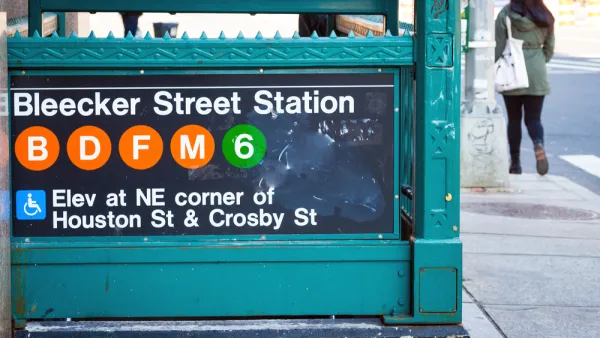
New York MTA Will Spend $600 Million on Disabled Access Improvements
New York's Transit system has long lacked facilities to allow wheelchair users access to many of their stations.
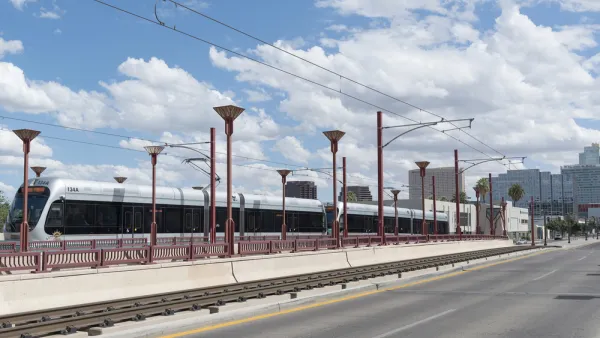
Phoenix Light Rail Stop Designed with Access in Mind by the People Who Need It
The non-profit Ability360 worked with members of its community, not only to advocate for a new light rail station, but to design a station that would fit the disabled community's needs.
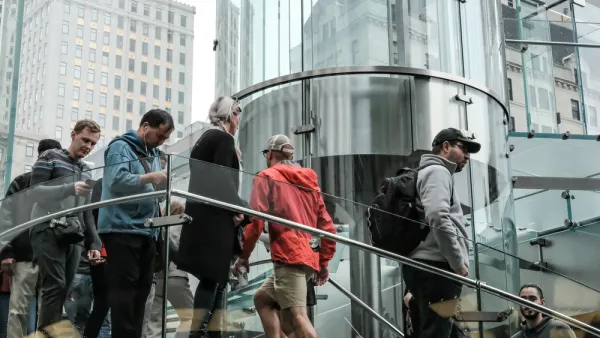
Four Steps for Making Accessibility a Tangible Part of the Planning Process
Although there is a strong push for accessibility as a key metric in transportation and land use planning efforts, there is still a long way to go in putting theory and intentions into practice.
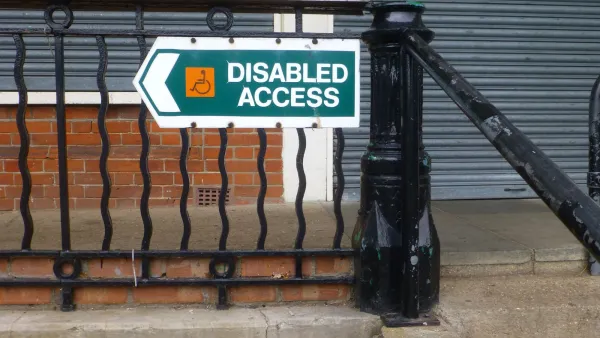
Accessibility Barriers Continue to Plague Some Metro Systems
Most metro systems in the United States tend to score high on accessibility, while European systems have mixed results.
Google Expands Wheelchair Access Mapping
Offering prizes and status, Google wants to motivate Maps users to add information about wheelchair accessibility.
Transportation for Everyone
An efficient and fair transportation system must serve diverse users. The "Transportation for Everyone" rating system evaluates transport system diversity and, therefore, its ability to serve all community members.
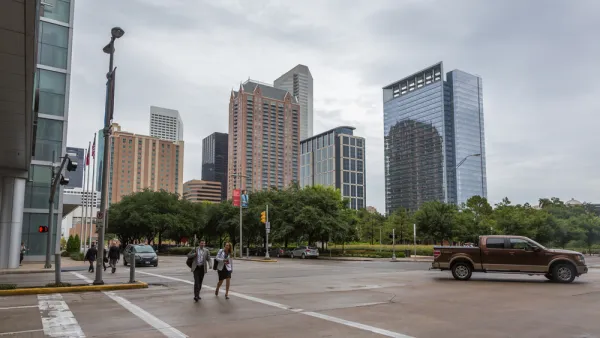
The Struggle for a Walkable Houston
Houston is fighting itself on walkability. While some build sidewalks and benches, parking minimums and outdated policies hold the city back.
Disability Activists Sue New York MTA
Two class action lawsuits take New York’s inaccessible metro system to task.

Growing Old at Home
Changing demographics and preferences in eldercare have millions planning to age in place, this will have big implications for our communities and our policy makers.
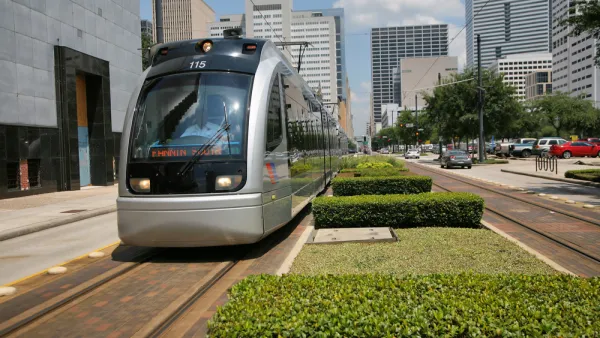
Moving from Moving Cars to Moving People
After a three quarters of a century of building to accommodate cars and not people, it's going to take big changes to get the transit system the United States needs, argues a Next City editorial.
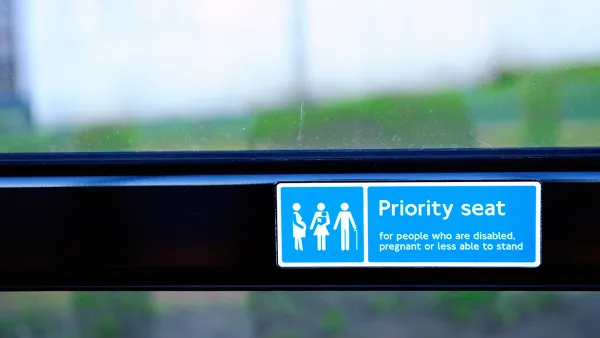
Pushing for Universal Access in the New Urban Agenda
The New Urban Agenda, which sets a new global strategy for sustainable urbanization, still has shortcomings regarding universal access for people with special needs.
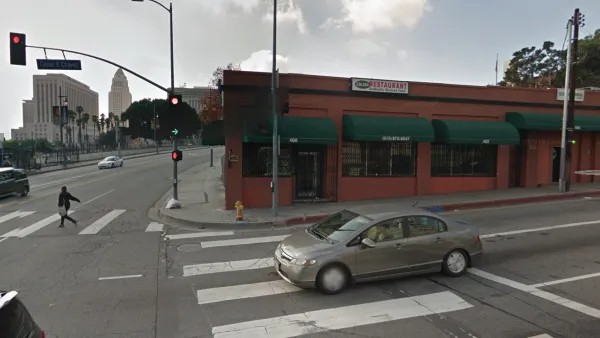
'Project Sidewalk' App Rates Accessibility
The long, ongoing project of retrofitting sidewalks and curbs to allow access for users of all needs continues. Project Sidewalk puts the power to audit sidewalks for accessibility in your hands.
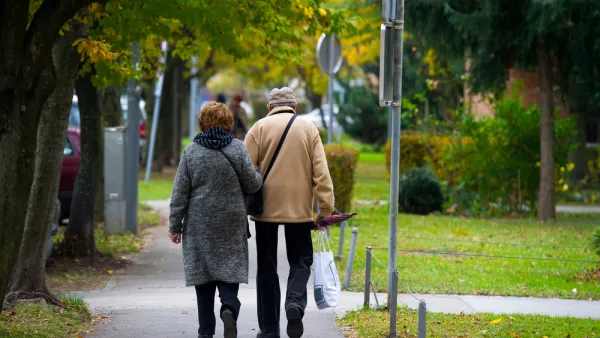
Suburbs Are Failing the Elderly
Around two-thirds of Baby Boomers in metropolitan areas live in the suburbs. But as they age, suburbia seems less and less hospitable.

Environmentalists Disagree On Bikes in the Wild
Environmental groups are split over legislation that would remove the nationwide ban on bicycles in the wild.

Tip of the Iceberg: Seeking Real Accessibility in Community Engagement
Do modern accessibility regulations go far enough to ensure fair access to all community members for public engagement activities? How can we design our planning processes to reach the broadest demographic?

FREE Course: Walkable City 1: Why Walkability?
After describing his path towards focusing on walkability as the essence of good planning, Jeff Speck marches through his five principal reasons for making more walkable places.
Reinventing Malls: Planning Alchemy—Turning Gray Fields Into Gold
The course focuses on the opportunities and imperatives that shape reinvention of mall sites.

City of Rosemead
Rutgers University, Edward J. Bloustein School of Planning and Public Policy
One Hundred Miles
University of Michigan School for Environment and Sustainability (SEAS)
Hunter College, City University of New York (CUNY)
The Architects Foundation
City of Cambridge
Montrose County
The Pocatello Development Authority









