Accessibility

Denver Residents Lack Transit Access to Local Parks
Despite an early plan to run rail lines to the city’s mountain parks, they are not easily accessible to Denverites without cars.
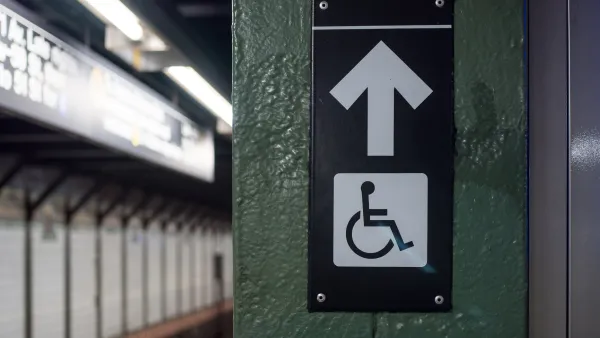
New York Must Make Almost All Subway Stations Accessible by 2055, Judge Rules
Another recent ruling is forcing the agency to accelerate its efforts to make all New York subway stations accessible to people with disabilities and mobility issues.
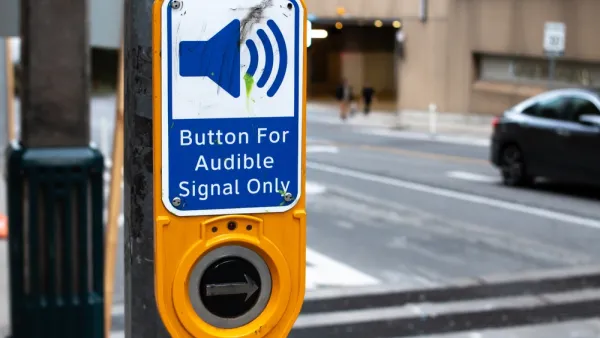
Chicago Found Liable for ADA Violations
A federal judge ruled that the city fails to provide “meaningful access” to many of its streets due to a lack of infrastructure for pedestrians with vision impairments at most of the city’s intersections.
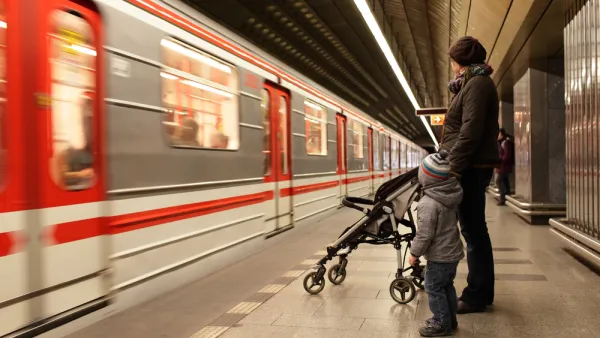
Improving Gender Equality with Urban Planning
“It's a man's world” is not just a saying. As much as we are surrounded by societal structures that contribute to gender discrimination, we are often also surrounded by physical infrastructure that is just as limiting.
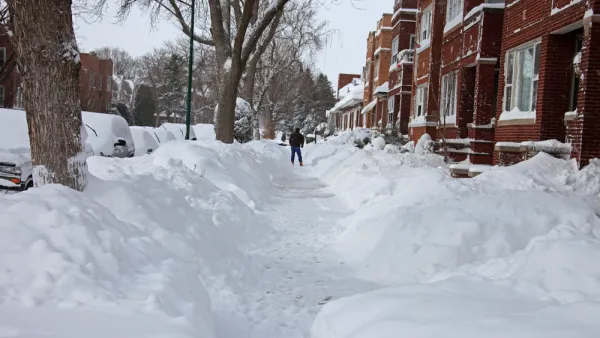
Chicago Could Start Plowing Sidewalks Next Winter
Keeping sidewalks free of snow has historically been the task of adjacent property owners, forcing pedestrians and people with mobility challenges to navigate a patchwork of conditions. A new ordinance would place the responsibility on the city.
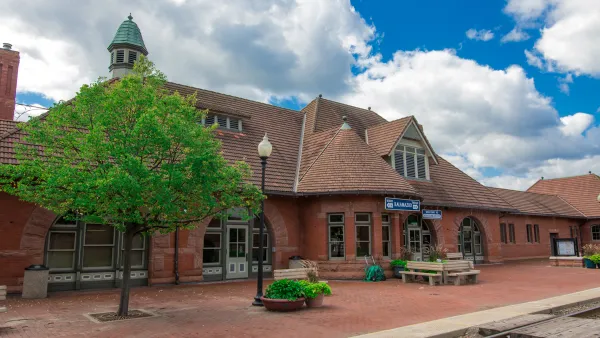
Michigan Cities to Improve Accessibility at Rail Stations
Four cities settled lawsuits citing a lack of ADA compliance at their intercity rail stations.
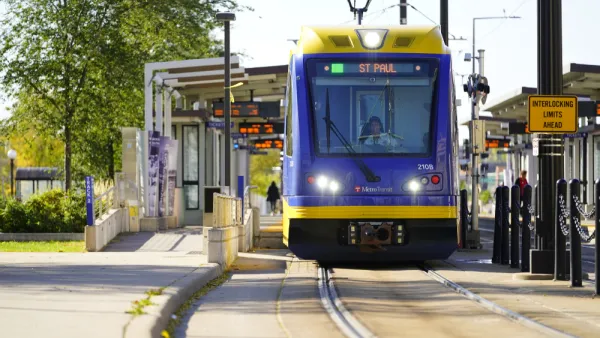
Leveraging Federal Funding for Transit Accessibility
Just 8 percent of U.S. households live near “high-quality transit.” How can federal infrastructure spending help fill this gap?

Transportation Predictions for 2023
Seventeen transportation experts and professionals weigh in on what they think trends in the sector will look like in 2023.
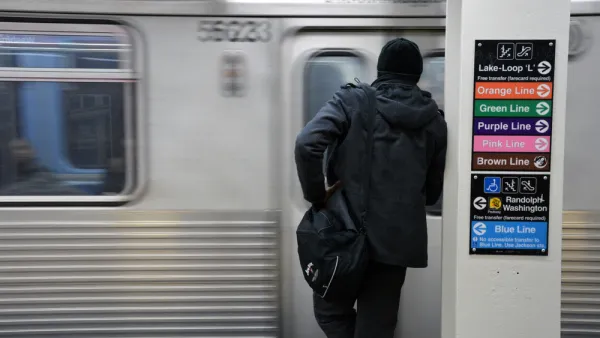
Chicago Awarded Federal Funding for Accessible Train Stations
The city received a federal grant geared toward improving accessibility at CTA and Metra stations, close to a third of which lack ADA compliance.
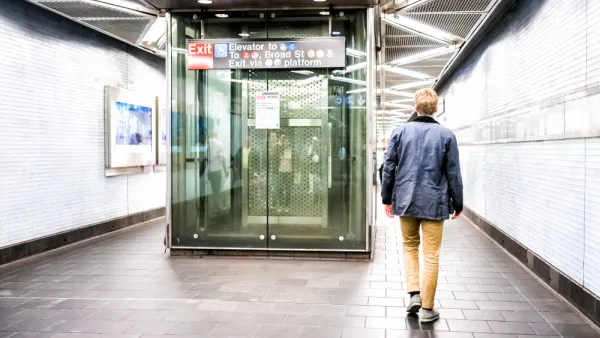
New York MTA Releases Plan for Improved Accessibility
The MTA announced plans for new or improved elevators at almost two dozen stations as part of its pledge to make more of its stations fully accessible.
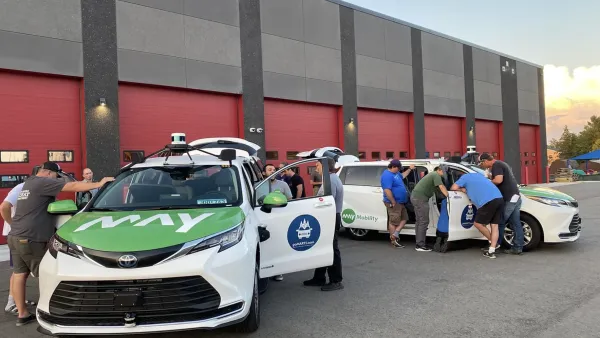
Grand Rapids Tests First Rural Autonomous Shuttle
The town launched a five-vehicle fleet aimed at improving mobility for residents in the rural community.
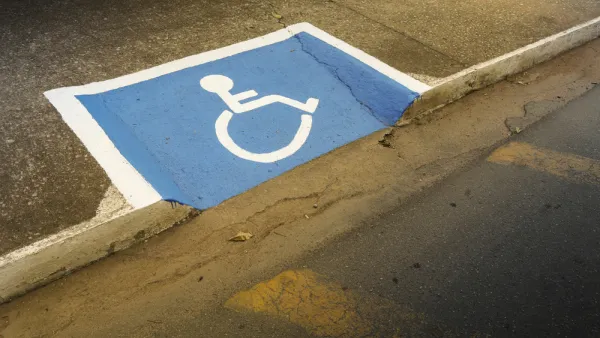
Why Accessible Sidewalks Fall by the Wayside
Despite the passage of the Americans with Disabilities Act more than 30 years ago, most U.S. cities delay making accessibility improvements to sidewalks until activists bring them to court.
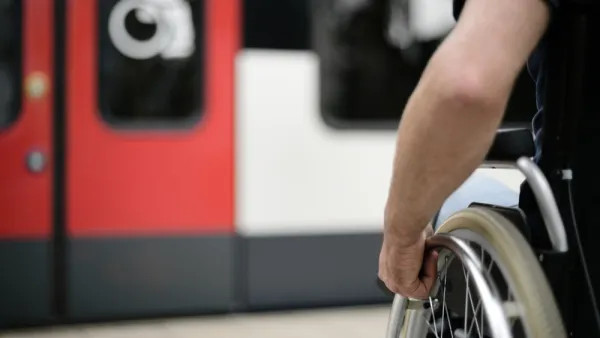
MTA Sued Over Platform Gaps
Riders with disabilities say that vertical and horizontal gaps of as much as 7 inches between trains and platforms prevent many riders from safely entering and exiting trains.
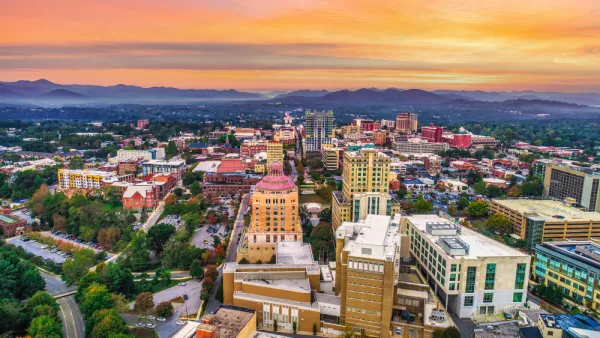
Asheville Approves ADA Compliance Plan
The city plans to make improvements to pedestrian infrastructure and bring its public streets into compliance with the Americans with Disabilities Act.
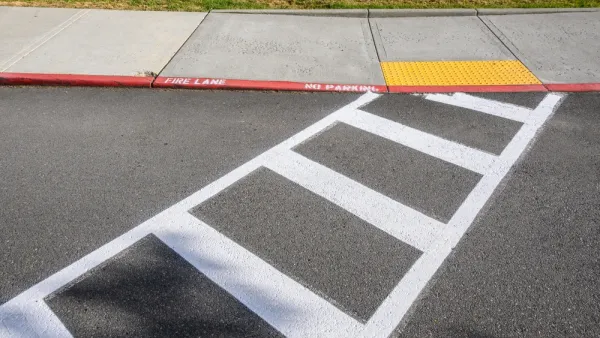
Following Lawsuit, Philadelphia to Add or Fix 10,000 Curb Cuts
Disability rights advocates won a settlement that directs the city to improve accessibility on its public roads over the next 15 years.
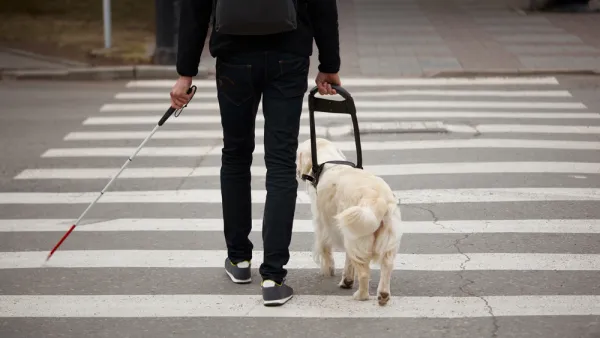
Opinion: Make Safe, Slow Streets the Default
For people with disabilities or limited mobility, a lack of safe infrastructure can cause significant disruptions, delays, and safety hazards.
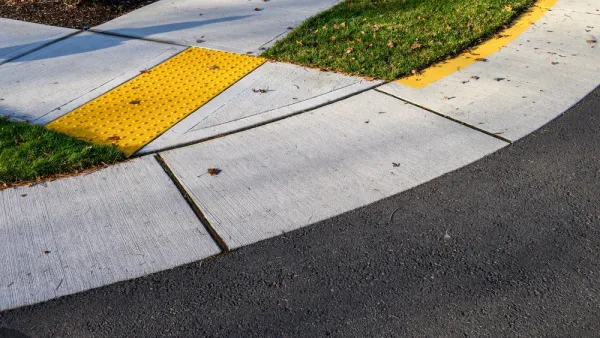
Universal Design in D.C.’s Rock Creek Park
After being closed to cars during the pandemic, Rock Creek Park’s Beach Drive has become a haven for people with mobility impairments.
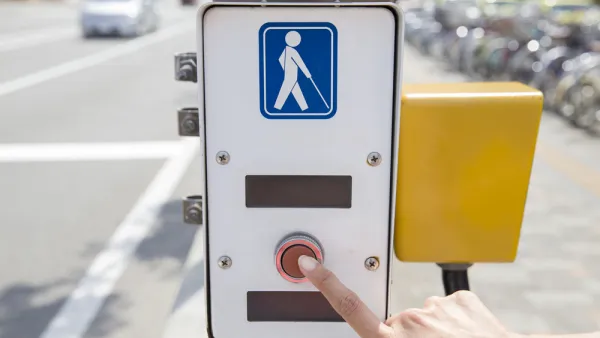
The Sound of Silence: Designing Electric Vehicles for Safety
Near-silent electric vehicles pose a danger to people with visual impairments, so engineers are studying ways to make the vehicles audible while maintaining the benefits of quieter streets.
MTA Uses Density Bonuses to Improve Accessibility
Under a new zoning law, New York City developers can receive density bonuses for building elevators and other accessibility upgrades for the city’s subway system.
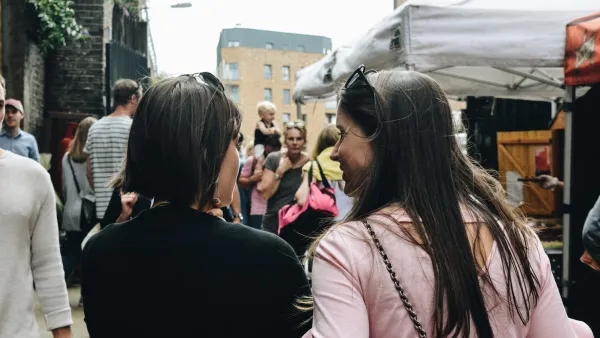
Urban Design Through a Gender Lens
Building cities to be safe and accessible for women and LGBTQIA+ people has benefits for all users of public space.

FREE Course: Walkable City 1: Why Walkability?
After describing his path towards focusing on walkability as the essence of good planning, Jeff Speck marches through his five principal reasons for making more walkable places.
Reinventing Malls: Planning Alchemy—Turning Gray Fields Into Gold
The course focuses on the opportunities and imperatives that shape reinvention of mall sites.

City of Rosemead
Rutgers University, Edward J. Bloustein School of Planning and Public Policy
One Hundred Miles
University of Michigan School for Environment and Sustainability (SEAS)
Hunter College, City University of New York (CUNY)
The Architects Foundation
City of Cambridge
Montrose County
The Pocatello Development Authority









