Social / Demographics
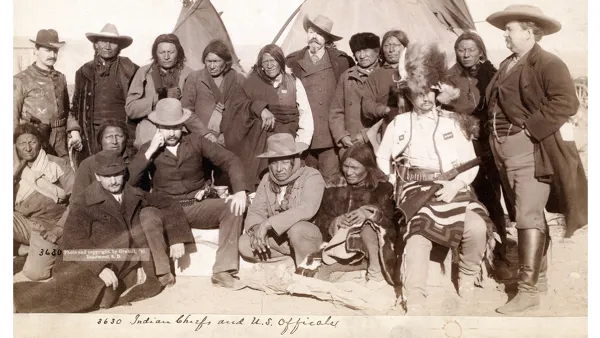
Native American Population Almost Back to 1492 Levels
An estimated 5 million Native Americans lived in the area that would become the United States when Christopher Columbus arrived in 1492. After reaching a low in the late 19th century, the Native American population has almost fully recovered.
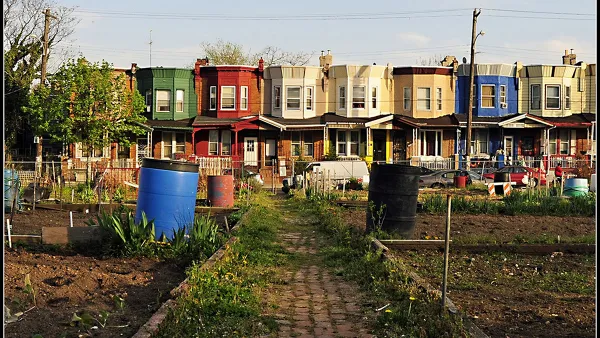
Taking Urban Agriculture For What It Is
New research suggests urban agriculture’s biggest yields are social, cultural, and educational.
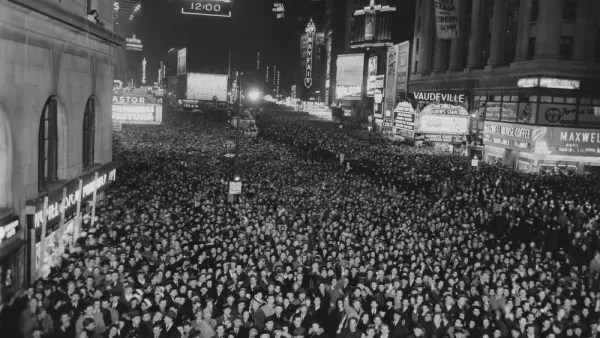
Conceptual Shift: New York's Growing Again
For decades, New York City's boom times lay deep in the past. Now that the city's growing again, Aaron Renn says New York may need to take cues from the Sun Belt, of all places.

London's New Mayor Finds Culture and Heritage in City's Nightlife
London's new Mayor Sadiq Khan joins a growing list of mayors who have become ardent advocates for their city's nightclubs.
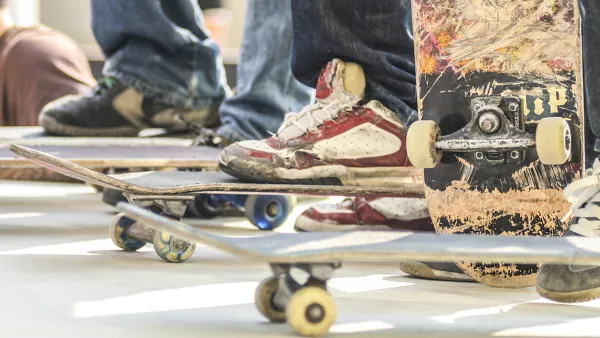
Cities as Playgrounds...For Children
Even when urban centers are losing families, this trend does not necessarily apply to rich areas near downtown.
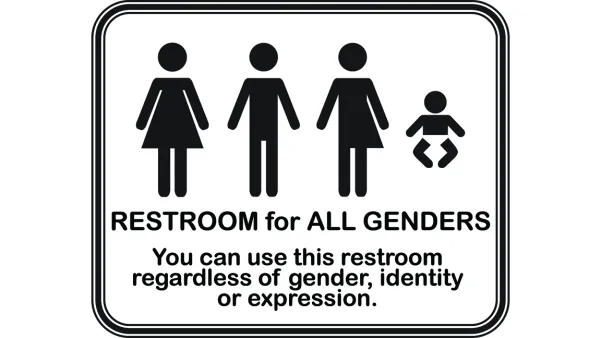
Gender Neutral Bathrooms Designs Respond to Controversial North Carolina Law
While the Justice Department and North Carolina duke it out over proper access to bathrooms, many places, including the White House, have designed gender-neutral bathrooms that address many of the problems associated with sex-segregated bathrooms.

The 'Myth' of Family Farms
Historian Gabriel Rosenberg challenges romanticism in the history of family farms in the US.
Is a Meritocracy Really What We Want?
At first glance, a meritocratic vision is morally compelling, but upon closer scrutiny, its pursuit ends up legitimizing—and thus reinforcing—the very social and economic inequality it purports to rectify.
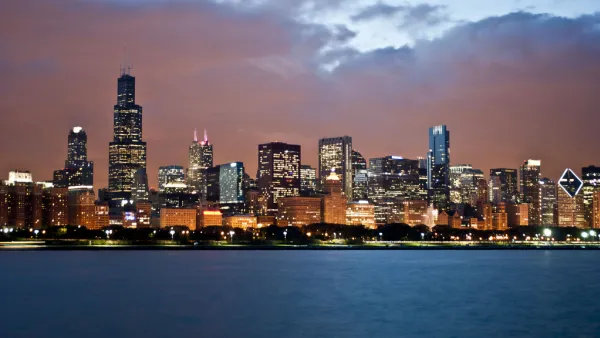
Leaving Chicago
Why are folks fleeing from the city and the state in record numbers? Is domestic migration to blame for the Chicago region's population loss last year of over 6,000 and the state's loss of over 22,000 people?
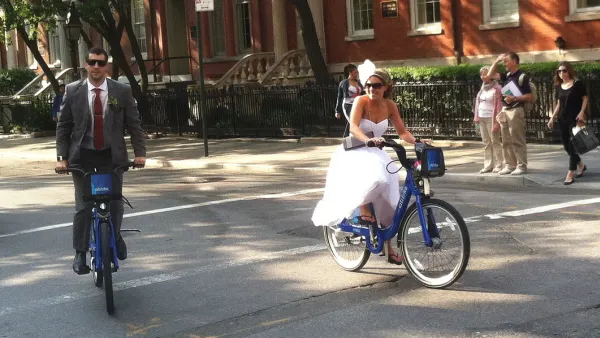
The Media Attacks Urbanism
A recent Newsweek article on urbanism is chock-full of nonsense.

Helping Beloved Non-Landmarks Weather Gentrification in San Francisco
San Francisco is starting a program to recognize and protect long-standing local businesses based on their community value, not architectural significance.
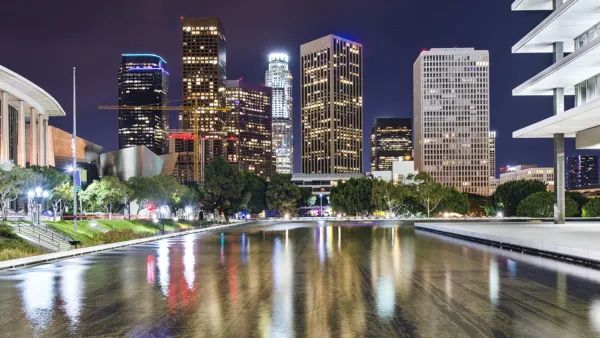
Does Los Angeles Have What It Takes To Be a Leader for 21st Century Metropolises?
Brookings’ Bruce Katz explains how municipalities like Los Angeles can create thousands of jobs in advanced manufacturing through connecting planning, industry, innovation, and infrastructure efforts.

Chicago's Transit Oriented Developments Becoming More Affluent
The city of Chicago is focusing its development incentives around transit stations, but the people moving into those neighborhoods tend to be wealthier than previous residents.

DataUSA: An Intuitive Tool for Public Data
A collaboration between Deloitte, Datawheel, and MIT has produced an intuitive aesthetically-pleasing gathering point for public data in the United States. Specific locations and industries boast easy-to-read profiles.
Granny Flats a Symptom of L.A.'s 'Broken' Planning Process
Building permits for Accessory Dwelling Units have been stopped by court order in Los Angeles.
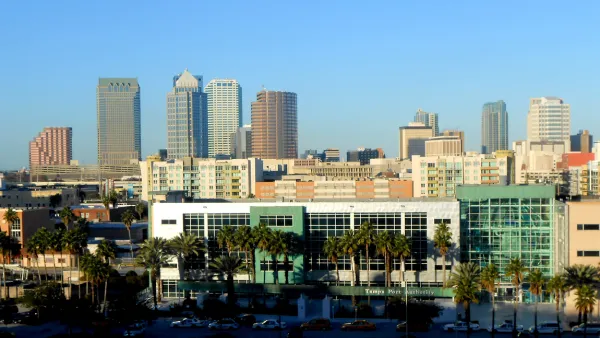
'Normal America' According to Demographics
The common perception of everyday America as a land of small towns and white faces doesn't reflect the current reality. Demographic analysis reveals "normal America" in cities like New Haven and Tampa.
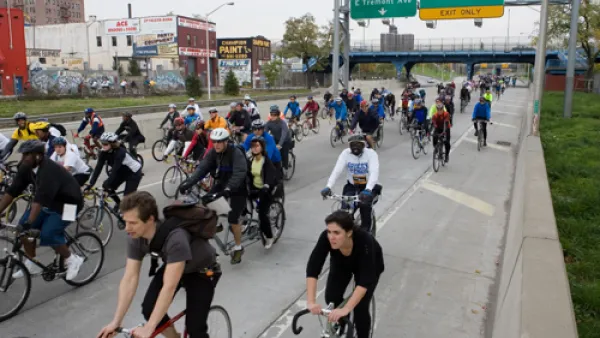
Righting Old Wrongs: U.S. DOT Goes from Urban Renewal to Freeway Removal
Transportation Secretary Anthony Foxx sees rebuilding America's ailing infrastructure as an opportunity to "right past wrongs," particularly with 1950s and 1960s-era freeways that bisected communities. NPR and Streetsblog describe the new initiative.

How Planning Fails to Make Women-Friendly Urban Places
Planning decisions overwhelmingly don't address women's needs, according to an article in The Huffington Post.

Millennials Now Greater Than Baby Boomers
According to U.S. Census data released this month, Millennials now outnumber Baby Boomers, and there are only more Millennials on the way.

Researchers Build Model for Predicting Gentrification
A team of researchers in London believes it can predict future gentrification. The model is built on evidence of social diversity, which is often thought of as a positive outcome.

FREE Course: Walkable City 1: Why Walkability?
After describing his path towards focusing on walkability as the essence of good planning, Jeff Speck marches through his five principal reasons for making more walkable places.
Reinventing Malls: Planning Alchemy—Turning Gray Fields Into Gold
The course focuses on the opportunities and imperatives that shape reinvention of mall sites.

City of Charlotte
City of Rosemead
Rutgers University, Edward J. Bloustein School of Planning and Public Policy
University of Michigan School for Environment and Sustainability (SEAS)
Hunter College, City University of New York (CUNY)
The Architects Foundation
University District Partnership









