Social / Demographics
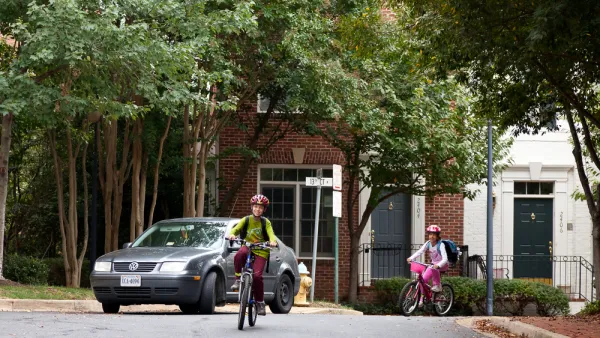
Op-Ed: Jane Jacobs Wouldn't Recognize the Cities of Today
Without children at the center of activity, the urban neighborhoods of today offer little compared to the ideals expressed by Jane Jacobs, according to this strongly worded critique of contemporary urbanism.
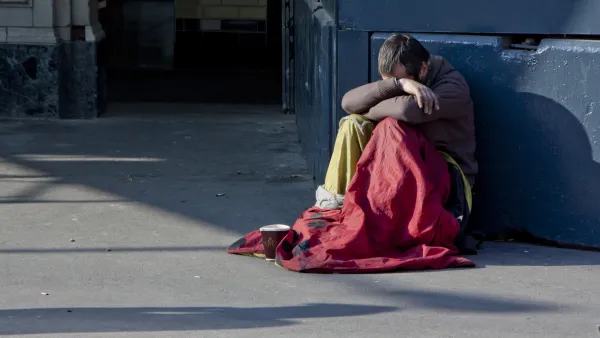
Cities Facing Lawsuits Over New Homeless Crackdowns
As more cities attempt to crackdown on homelessness, legal fights have broken out as advocates for the homeless fight back against the criminalization of panhandling and camping in public.

Drinking Behind New Mexico's High Pedestrian Fatality Rate
New Mexico had the nation's highest pedestrian fatality rate in 2014. Alcohol was a factor in over half the pedestrian fatalities in New Mexico, while nationally it's a third. According to the Albuquerque PD, drunk pedestrians are primarily to blame.
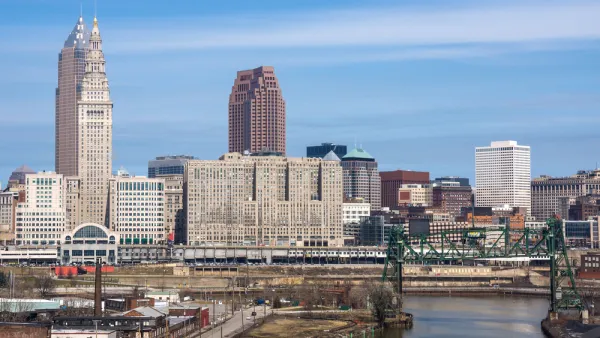
Watch the Documentary 'Cleveland: Confronting Decline in an American City'
In May, the documentary film "Cleveland: Confronting Decline in an American City" was made available in full on YouTube.
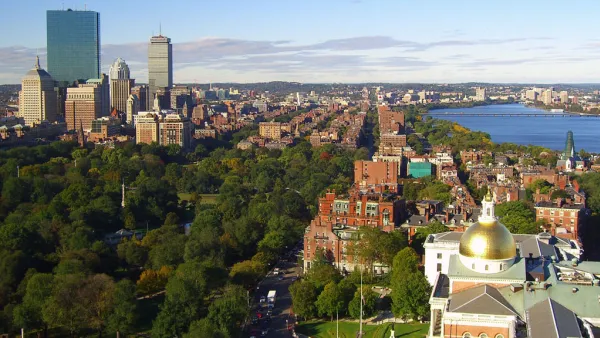
Boston Looks to Artists in Cultural Plan Development
A program in Boston to "enliven and strengthen" the arts and creativity in the city's diverse neighborhoods employed artists to seek out and define how people interact with art in their community.

The Suburban Tale of Texas Growth
The state of Texas is expected to double its population between 2010 and 2050. Just how, though, is worthy of more scrutiny.
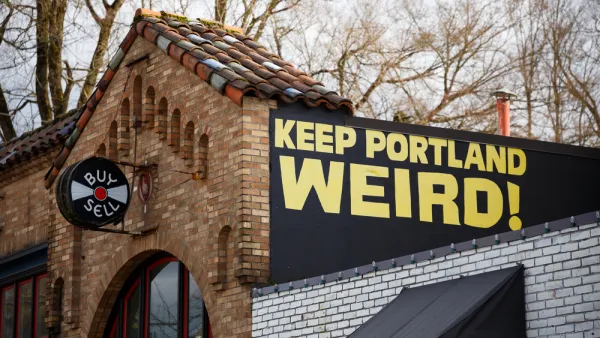
Is Portland the Next San Francisco?
Now that tech companies have "discovered" Portland, Oregon, longtime residents question whether the progressive city has done enough to protect them from displacement. Sound familiar?
Op-Ed: More Domestic Migration Needed in the United States
An op-ed in the New York Times makes a cogent case for increasing movement between states for self-betterment, specifically from high unemployment states to states like New Hampshire and North Dakota, and what policy changes would encourage it.
Who is NYCxDESIGN?
NYCxDESIGN, New York City’s annual celebration of design, recently wrapped up its fourth season. To learn more about who makes up the design community, photographer Charles Aydlett asked attendees how they would like to see design evolve in the city.

In Paris, Tough Talk on Income Segregation
As is so often the case worldwide, many Parisians live in communities distinguished by class. The city government wants to change that by inserting thousands of public housing units in wealthy central districts.
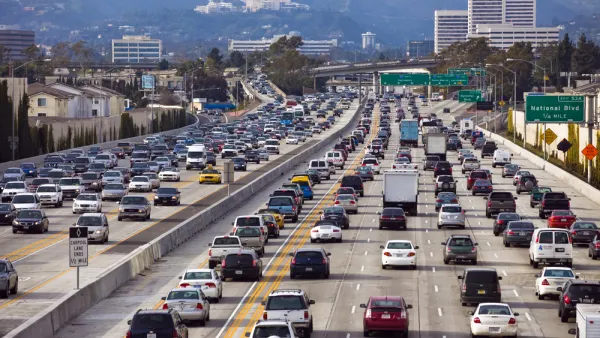
Women Spend More Time in Traffic Than Men
On average, women spend longer in traffic than men—perhaps because of the gendered division of labor that still exists in many households.
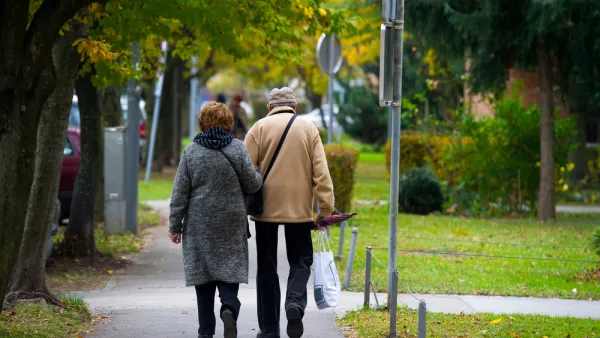
10 Ways to Make Cities Livable for the Elderly
How can the New Urban Agenda respect the elderly—and make cities better for all of us in the process?

Planetizen Week in Review: May 27, 2016
Planetizen Managing Editor James Brasuell shares some of the biggest news and announcements from the week in planning, land use, and related topics.

Op-Ed: Why Uber Wasn't Welcome in Austin
In the spirit of civic self-congratulation, Austin resident Richard Parker writes about how the transportation network company giants canceled service after losing a referendum vote. He ascribes this victory to the city's enduring contrarian streak.

Lessons from the Paleolithic Era for Contemporary Urbanites
Gustav Milne makes a simple argument via The Guardian: urbanization "is bad for us."

Most Young Adults Living With Their Parents for the First Time in 130 Years
A Pew Research Center analysis of Census Data reveals a fundamental shift in the way U.S. residents are living—last true in a time closer to the Civil War than the 20th century.
Equity, Engagement, Community: Empathy Ain't Enough
if a community planning effort is to be judged by the degree to which all voices are heard, then anything short of a big turnout is going to feel like failure. Ben Brown talks equitable engagement, and aligning promises with implementation.

Black Flight From Gun Violence: Chicago's Loss Is Suburbia's Gain
Middle class African-Americans are fleeing Chicago due to crime, not due to being priced out, as is common elsewhere. "On average more than 10,000 African-Americans leave the city every," reports Brandis Friedman of WTTW for the PBS NewsHour.

Explained: D.C. Gains '1,000 New Residents Every Month'
Officials and residents in Washington, D.C. are often heard saying that the District is gaining 1,000 new residents every month. But what does it mean?
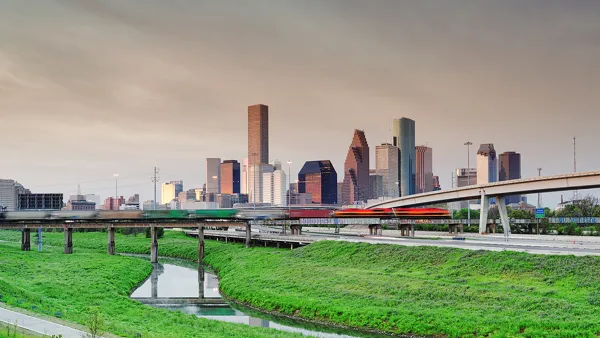
Opportunities for Urban Innovation in Houston
Kinder Institute director William Fulton discusses Houston's changing demographics and economic prospects. He sees the city as a place to pioneer and implement solutions to Sun Belt problems.

FREE Course: Walkable City 1: Why Walkability?
After describing his path towards focusing on walkability as the essence of good planning, Jeff Speck marches through his five principal reasons for making more walkable places.
Reinventing Malls: Planning Alchemy—Turning Gray Fields Into Gold
The course focuses on the opportunities and imperatives that shape reinvention of mall sites.

City of Charlotte
City of Rosemead
Rutgers University, Edward J. Bloustein School of Planning and Public Policy
University of Michigan School for Environment and Sustainability (SEAS)
Hunter College, City University of New York (CUNY)
The Architects Foundation
University District Partnership









