Social / Demographics
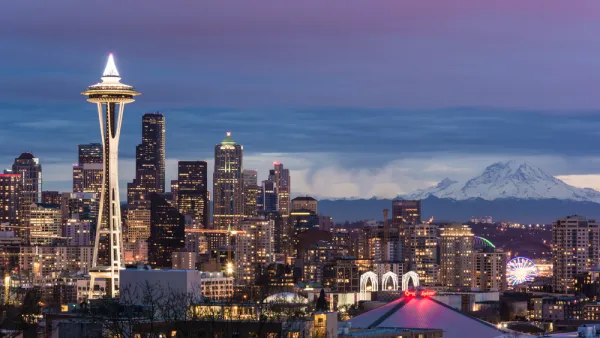
The Urban Revival Is (Probably) Not Over
Critiquing Richard Florida's claim that "the urban revival is over."
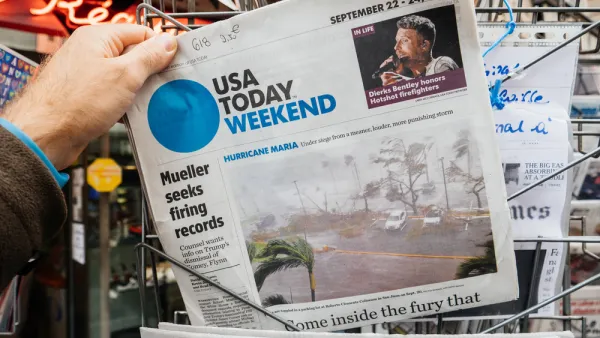
Without Basic Utilities, Puerto Rican Exodus Expected
Hurricane Maria left the flooded island of 3.4 million American citizens without power, communications, and running water, which may take months before they are restored. An exodus to Florida, which had begun before Maria hit, will likely accelerate.
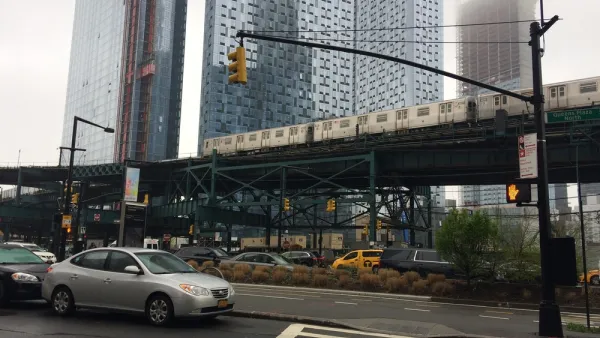
Hyper Urban Growth Without Residential Displacement
Here's a change: Displacement in the nation's fastest growing urban neighborhood has largely been limited to businesses. The new highrises have given Queens something it never had: a skyline.
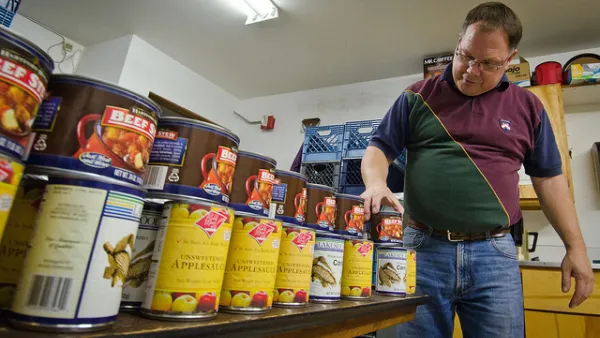
New Poverty and Income Data Reveals a Tale of Two Types of Cities
While the country overall made progress, larger cities are making stronger gains against poverty.
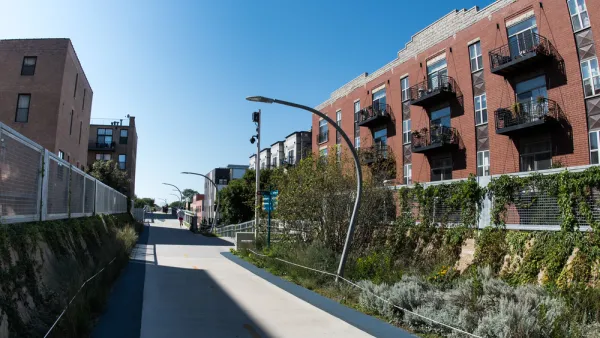
Sustainable for Whom? Large-Scale Urban Development Projects and 'Environmental Gentrification'
Large, adaptive-reuse projects are all the rage in urban planning today, but absent a fundamentally new approach—with affordability at the center of the process—they are likely to become engines of what's been termed "environmental gentrification."

Is This How Millennials Prefer Their Suburbs?
As more young people express a preference for suburban life, Alan M. Berger gives us a vision of tomorrow's suburbs: smart and sustainable, but still spread out.
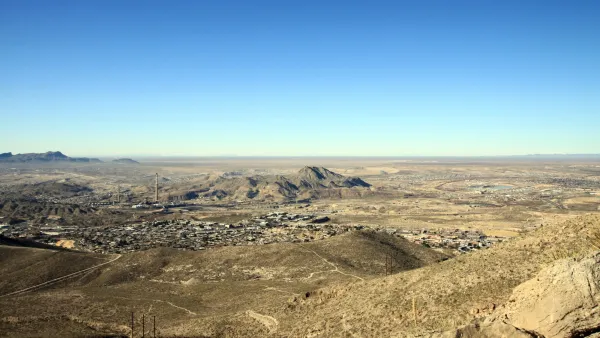
State Budget Delivered Blow to Impoverished Texas Exurbs
Along the Mexican border, Texas "colonias" have often gone without basic infrastructure. Saying it'll cut bureaucracy, Governor Greg Abbott removed funding for a program that helps residents access government services.
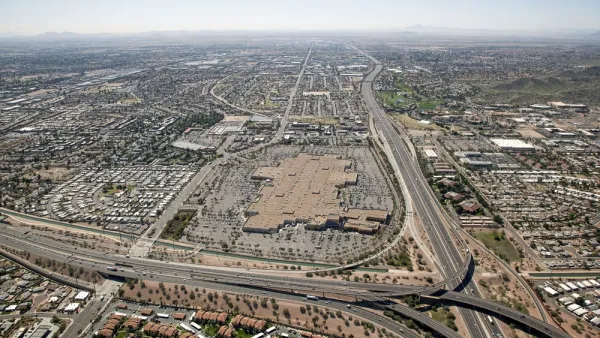
How Overly Restrictive Land Use Regulations Hurt the Nation's Economy
Two economics professors from the University of Chicago and the University of California, Berkeley argue that the housing crisis doesn't just affect booming coastal cities. It's a national problem.

Preserving the Character of San Antonio's Near West Side
Latino activists look to preserve a 'Chicano epicenter,' recently given the designation of a UNESCO site.
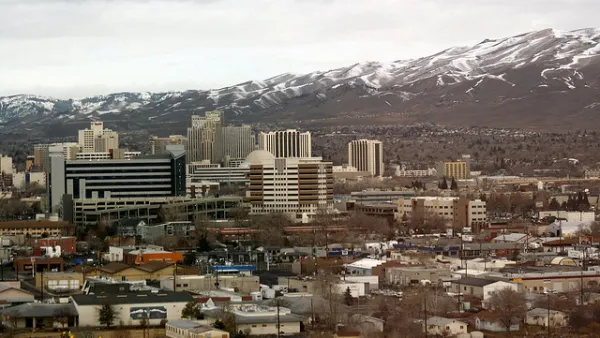
Homeless People Could Pay the Price of Reno's 'Revitalization'
Reno is considering a law that critics say is a textbook example of the criminalization of homelessness and everyday life.
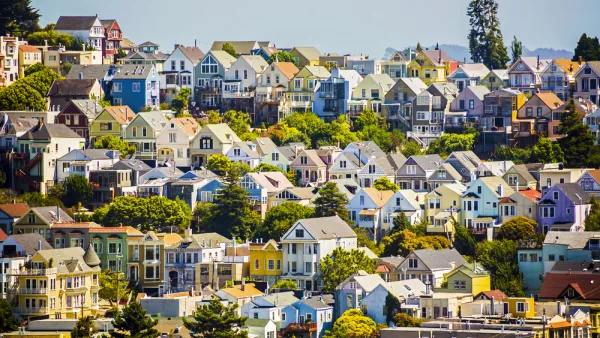
Coming to Terms With the Bay Area's Housing 'Death Spiral'
Prospects for solving the Bay Area's severe housing shortage look far off. Action on the state level may be one way to approach this crippling collective action problem.
The Metropolitan Council's 'PlanIt' Podcast on Equity in Everyday Planning
Equity is a popular topic of discussion, but how can planning organizations address that within their structure? What are some actions that they can take to include equity in everyday operations?
Five Key Statistics for Understanding Millennial Households
There has been a lot of speculation about the motivations of Millennials as they enter the workforce and the real estate market. The Pew Research Center starts with the facts.
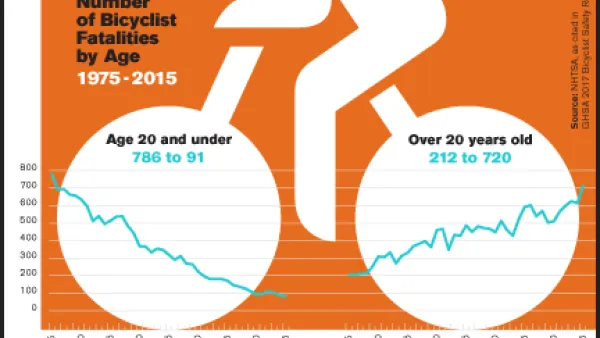
Bike Fatalities Rising Quickly
The Governors Highway Safety Association, in partnership with State Farm Insurance, has released surprising data about bike safety.
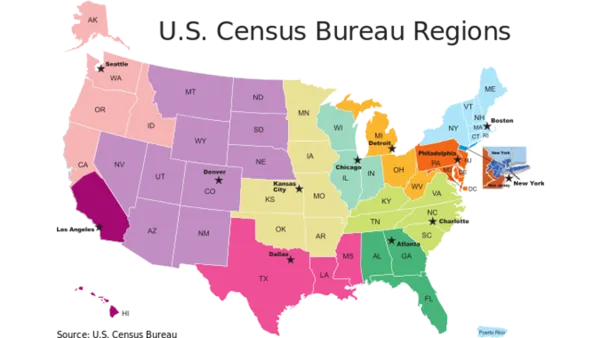
'High Risk' of Failure: The 2020 Census
Evidence that the Trump's Administration's ongoing "dismantling of the administrative state" is having an effect at the Census Bureau—with potentially disastrous consequences for governments of all shapes and sizes.
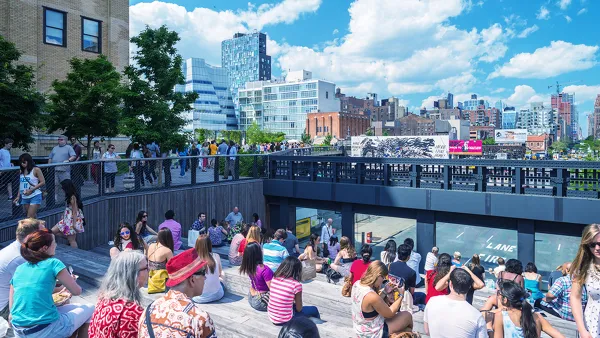
Richard Florida: 'The Urban Revival Is Over'
The author of the "The Rise of the Creative Class" and the "New Urban Crisis" says cities have had their moment.
Meet the New 'Neighborhood Stereotyping Tool'
'Hoodmaps' are here, but the crowdsourcing map tool is attempting to improve on the "Judgmental Maps" that came before.
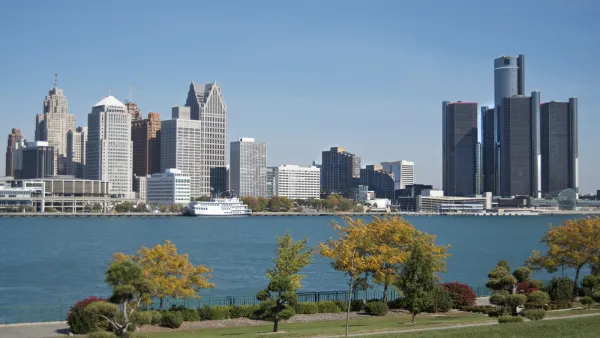
A Demographic Portrait of Detroit
The 139 Square Miles report attempts to comprehensively report the realities of Detroit, without commentary or critique.
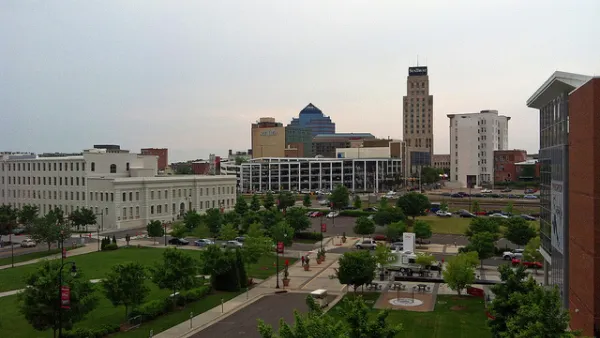
Not All Mid-Sized Local Economies Are Alike
The research director of the National League of Cities explains the defining characteristics of local economies—namely that of five distinct kinds of local economies, three serve to distinguish the nuances between mid-sized cities.
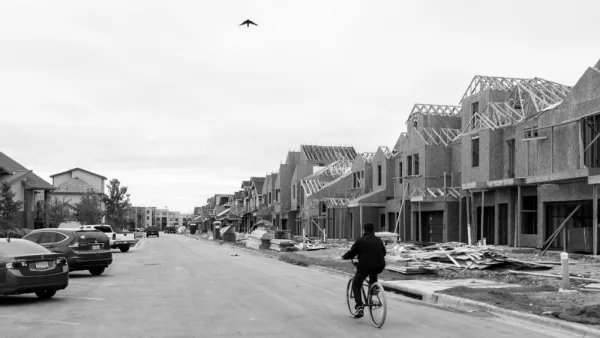
For Discussion: Why Are More Millennials Choosing the Suburbs?
A trio of journalists gathers to discuss statistics that show the trends of U.S. population growth has shifted to suburban areas.

FREE Course: Walkable City 1: Why Walkability?
After describing his path towards focusing on walkability as the essence of good planning, Jeff Speck marches through his five principal reasons for making more walkable places.
Reinventing Malls: Planning Alchemy—Turning Gray Fields Into Gold
The course focuses on the opportunities and imperatives that shape reinvention of mall sites.

City of Charlotte
City of Rosemead
Rutgers University, Edward J. Bloustein School of Planning and Public Policy
University of Michigan School for Environment and Sustainability (SEAS)
Hunter College, City University of New York (CUNY)
The Architects Foundation
University District Partnership









