Transit supporters in the Detroit region suffered a setback last week, but the hope is that they've only lost a battle, not the war, for regional transit.


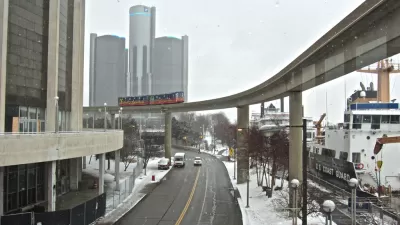
"Regional transit for the Detroit area will have to wait," reports Eric. D Lawrence.
"The Regional Transit Authority of Southeast Michigan board bowed Thursday to the reality of divisions between leaders in Macomb and Oakland counties and those in Washtenaw and Wayne counties and the City of Detroit and avoided a vote on whether to send a millage request to the ballot this year," adds Lawrence.
Negotiations for a new millage fee are expected to continue after voters consider a property tax for the Suburban Mobility Authority for Regional Transportation (SMART). "Macomb and Oakland leaders raised concerns about confusion between an RTA vote and that 1-mill property tax measure. But transit supporters called that argument a red herring," according to Lawrence.
The article refers to the $5.4 billion, 20-year Connect Southeast Michigan, which grew out of earlier failed attempts at regional transit. Still, the idea of improving regional transit in and around Detroit will wait.
FULL STORY: 8 Regional transit fails to move forward; leaders will shoot for 2019

Detroit's Failed Regional Transit Plan Strikes a Blow to the City's Revival
Voters in the Detroit region had a chance to reverse 40 years of neglect for regional transit. Instead, they kicked the can down the road.
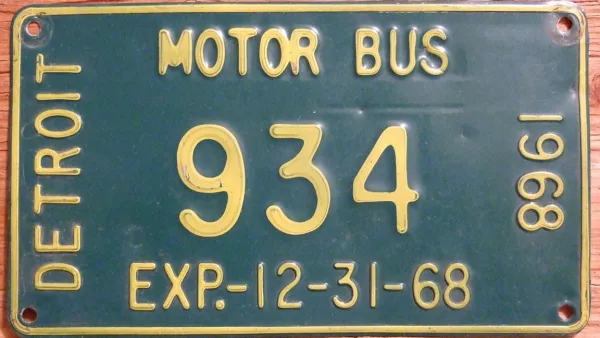
A Call to Action After Detroit Suburbs Kill Regional Transportation Plan
A $4.7 billion regional transportation plan died at the hands of suburban interests around Detroit last week. An op-ed describes the action as the same kind of racial disharmony that defined the mid- and late-20 century.
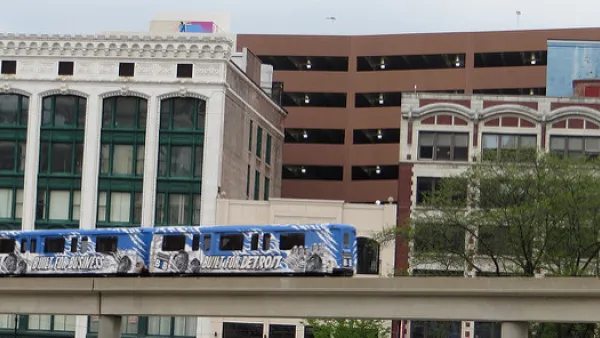
Cultivating a Culture of Transit
How Detroit, historical home of the U.S. automotive industry, can create a culture of transit and the equitable transportation system its residents need.

Planetizen Federal Action Tracker
A weekly monitor of how Trump’s orders and actions are impacting planners and planning in America.

The state-sanctioned urbicide of Austin
People don’t kill cities. Freeways do.

US to reduce Colorado River water deliveries to Mexico
A new Colorado Treaty amendment reduces Mexico’s Colorado River water allocation by 250,000 acre feet.

Mamdani overhauls NYC's Vision Zero plan with 100 new policy goals
The overhaul aims to reduce traffic deaths and make streets safer for pedestrians, cyclists and drivers through lower speed limits, new safety infrastructure and more.

Amtrak not solely to blame for New Jersey commuter rail's unreliability, report finds
A new study from the Garden State Initiative found that NJ Transit’s budget grew 20% across a 4 year period, but reliability declined significantly over the same period.

EPA erases limits on planet-warming pollution from power plants
Under Monday’s plan, power plants would still have some limits on how much mercury, arsenic and other contaminants they can emit.

FREE Course: Walkable City 1: Why Walkability?
After describing his path towards focusing on walkability as the essence of good planning, Jeff Speck marches through his five principal reasons for making more walkable places.
Reinventing Malls: Planning Alchemy—Turning Gray Fields Into Gold
The course focuses on the opportunities and imperatives that shape reinvention of mall sites.

Eagle County Government
Harvard University Graduate School of Design
Nashville Planning Department
The Architects Foundation
University of Cincinnati Online
The Pocatello Development Authority
The Urban Renewal Agency of the City of Pocatello
Journal of the American Planning Association