Englewood is a predominately black neighborhood in Chicago, struggling with vacancies and the effects of failed urban policies. A bike and pedestrian path could be a huge benefit, but that benefit would look a lot different than other parts of city.


James Porter writes about the opportunity for and biking and walking route on the South Side of Chicago to rival The 606 elevated greenway that runs through Wicker Park, Bucktown, Humboldt Park, and Logan Square.
The new Englewood Line, as the project is called, is being spearheaded by the non-profit Grow Greater Englewood. "The path would run along an unused railroad embankment between 58th and 59th streets from Wallace (630 West) to Hoyne (2100 West) avenues," according to Porter.
Porter speaks with Grow Greater Englewood's director, Anton Seals, in detail about the group's plans for making the Englewood Line a "Non-606." Seals lends the story local expertise on how the Englewood Line would differ from The 606 to better reflect the needs of local residents.
According to Porter, "Englewood doesn’t face the same kind of gentrification and displacement pressures that exist in The 606 neighborhoods, as well as Pilsen and Little Village, where the city is planning a street-level rails-to-trails called El Paseo."
FULL STORY: How to Make Sure the Englewood Line Trail Is a Real Asset for the Community

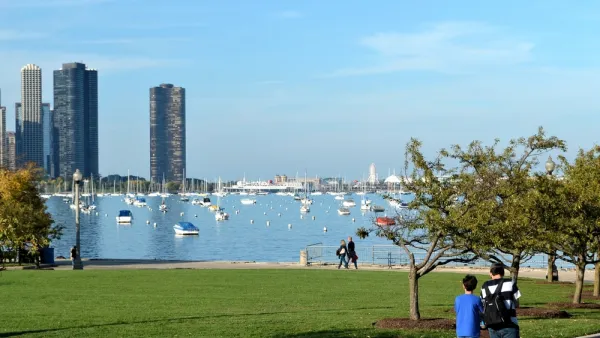
Philanthropy Key for Separate Bikes and Peds on Chicago's Lakefront Trail
A $12 million gift from a local billionaire will enable a project to give separate access for bike and pedestrians on the popular Lakefront Trail.
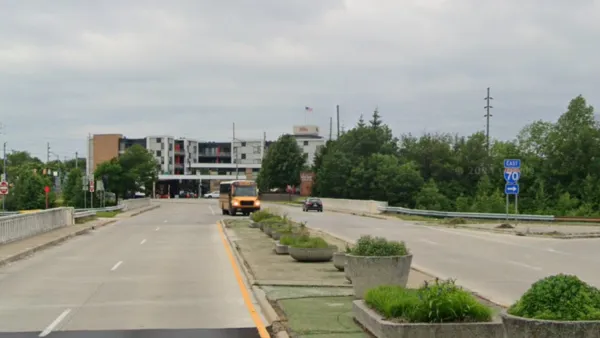
Indy Neighborhood Group Builds Temporary Multi-Use Path
Community members, aided in part by funding from the city, repurposed a vehicle lane to create a protected bike and pedestrian path for the summer season.
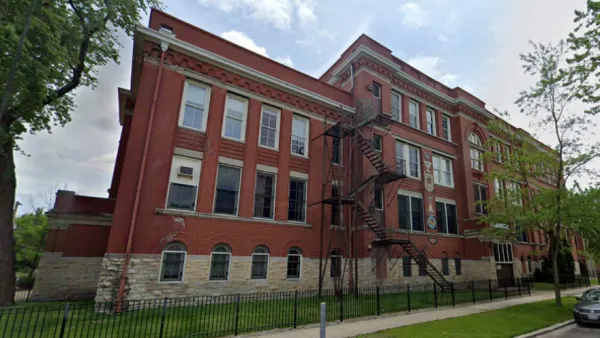
Historic Chicago School Building to Become Affordable Housing
The adaptive reuse project will create 50 income-restricted housing units and community amenities.

Planetizen Federal Action Tracker
A weekly monitor of how Trump’s orders and actions are impacting planners and planning in America.

The state-sanctioned urbicide of Austin
People don’t kill cities. Freeways do.

US to reduce Colorado River water deliveries to Mexico
A new Colorado Treaty amendment reduces Mexico’s Colorado River water allocation by 250,000 acre feet.

5 New England states march closer to 800 megawatt wind energy project
Securing federal approval for the project may be complicated under the Trump administration, which has historically been hostile towards domestic wind power.

Baltimore to break ground on $50 million Transit Priority Project
The project will bring faster bus trips, safer streets and better bike connections to Baltimore.

Airbnb launches $250 million 'last-dollar financing' housing accelerator, makes first investment in Austin
The company will put $6.4 million towards affordable housing development in Texas’ capital.

FREE Course: Walkable City 1: Why Walkability?
After describing his path towards focusing on walkability as the essence of good planning, Jeff Speck marches through his five principal reasons for making more walkable places.
Reinventing Malls: Planning Alchemy—Turning Gray Fields Into Gold
The course focuses on the opportunities and imperatives that shape reinvention of mall sites.

Eagle County Government
Harvard University Graduate School of Design
Nashville Planning Department
The Architects Foundation
University of Cincinnati Online
The Pocatello Development Authority
The Urban Renewal Agency of the City of Pocatello
Journal of the American Planning Association