Some worry that, of the many reasons cities pursue cap parks, creating quality green space is low on the list.


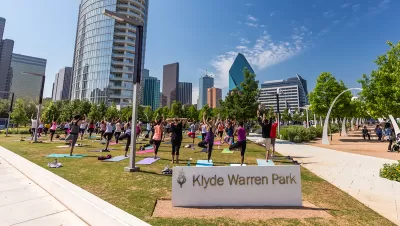
Increasing numbers of U.S. cities are creating parks on top of urban highways in hopes of spurring development, according to the Pew Charitable Trust. Cities often turn to cap parks as a way to repurpose aging infrastructure and revitalize urban cores, writer Martha Moore explains on the Trust's blog. "In crowded cities, highway deck parks are a way to create new acreage and provide green space that can spur downtown development."
The benefits of cap parks are not undisputed, though. Critics—including Streetsblog USA editor Angie Schmitt—fear that cap parks are little more than a form of greenwashing, providing plausible cover for highway expansions that draw funds from public transit.
Moore delves into the economic and environmental impacts of cap parks in Pittsburgh, Dallas, and Atlanta. Other cities considering or working on cap parks include Philadelphia, Golden, CO, and Santa Monica, CA.
FULL STORY: More Cities Are Banishing Highways Underground — And Building Parks on Top

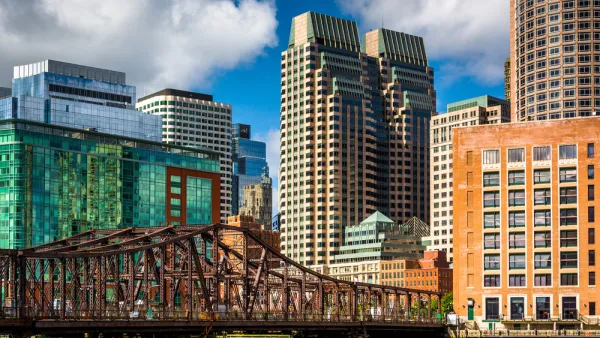
Boston Plans Park Network for Resilience and Revitalization
The city hopes to accelerate development and mitigate flood risk along the industrial Fort Point Channel with a string of new parks.

Photo Series: St. Louis Highway Blues
Photographer Michael DeFilippo captures the striking, ironic, and often depressing ways in which highways cut apart the urban fabric of St. Louis.
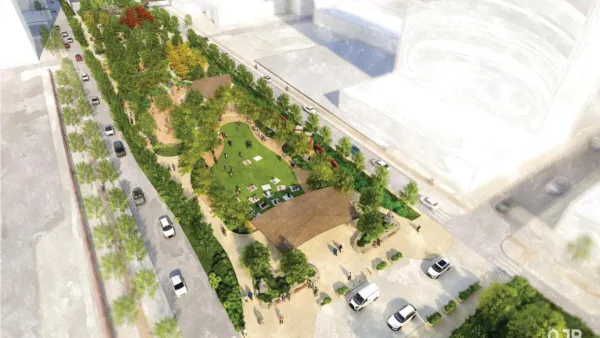
Philadelphia lawmakers fight to save 'Chinatown Stitch' from Trump cuts
The freeway cap project, approved and funded under the Biden administration, is now in jeopardy after the federal government rescinded all but $8 million in funding.

Planetizen Federal Action Tracker
A weekly monitor of how Trump’s orders and actions are impacting planners and planning in America.

The state-sanctioned urbicide of Austin
People don’t kill cities. Freeways do.

US to reduce Colorado River water deliveries to Mexico
A new Colorado Treaty amendment reduces Mexico’s Colorado River water allocation by 250,000 acre feet.

5 New England states march closer to 800 megawatt wind energy project
Securing federal approval for the project may be complicated under the Trump administration, which has historically been hostile towards domestic wind power.

Baltimore to break ground on $50 million Transit Priority Project
The project will bring faster bus trips, safer streets and better bike connections to Baltimore.

Airbnb launches $250 million 'last-dollar financing' housing accelerator, makes first investment in Austin
The company will put $6.4 million towards affordable housing development in Texas’ capital.

FREE Course: Walkable City 1: Why Walkability?
After describing his path towards focusing on walkability as the essence of good planning, Jeff Speck marches through his five principal reasons for making more walkable places.
Reinventing Malls: Planning Alchemy—Turning Gray Fields Into Gold
The course focuses on the opportunities and imperatives that shape reinvention of mall sites.

Eagle County Government
Harvard University Graduate School of Design
Nashville Planning Department
The Architects Foundation
University of Cincinnati Online
The Pocatello Development Authority
The Urban Renewal Agency of the City of Pocatello
Journal of the American Planning Association