Arctic communities have a front row seat to witness the effects of climate change.


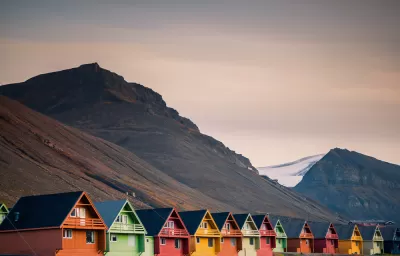
By Christin Kristoffersen, former mayor of Longyearbyen, in the islands of Svalbard, the northernmost permanently populated location in the world.
Arctic communities are facing the direct impacts of climate change in unique ways — retracting sea ice, increased marine shipping and tourism, thawing permafrost and coastal erosion, earthquakes, tsunamis, hurricanes and loss of biodiversity.
Models already indicate that climate change will change the timing and magnitude of spring melting, resulting in “ice jam” flooding in communities. In addition to the people within the community, this shift will impact on fish resources and biodiversity.
Environmental changes are coupled with human-made phenomena such as globalization, urbanization, social inequality, and a lack of modern infrastructure and essential services and the new economic opportunities that often accompany them. Increased transportation and more infrastructure will affect indigenous peoples in remote communities and their use of frozen lakes and rivers as routes to traditional hunting, fishing and trapping areas or for accessing larger human settlements.
Read the full story: Arctic future strategies from a local perspective

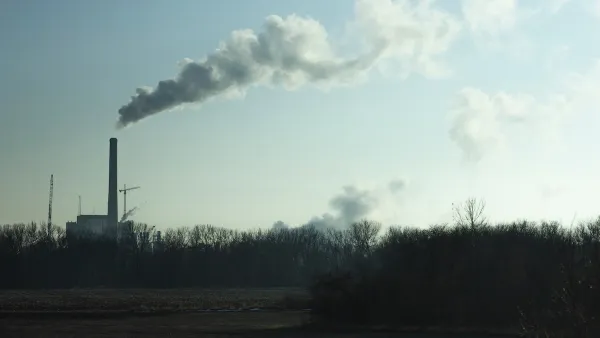
Nation's most wind-powered state turns to coal as data centers increase energy demand
For the first time in decades, Iowa has increased its generation of coal power.
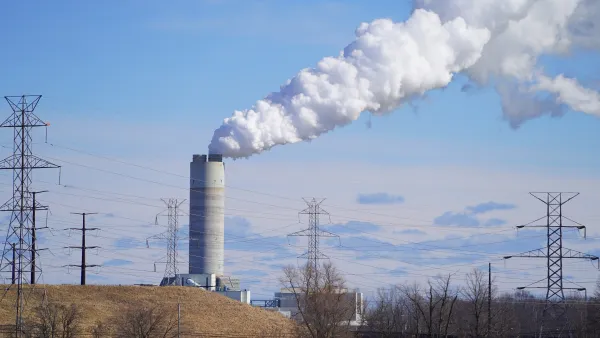
EPA erases limits on planet-warming pollution from power plants
Under Monday’s plan, power plants would still have some limits on how much mercury, arsenic and other contaminants they can emit.
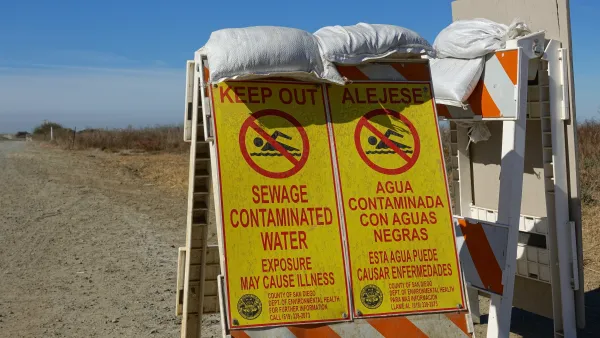
San Diego County to build treatment plant for Tijuana River sewage pollution crisis
The river has carried millions of gallons of untreated sewage into San Diego’s South Bay region.

Planetizen Federal Action Tracker
A weekly monitor of how Trump’s orders and actions are impacting planners and planning in America.

The state-sanctioned urbicide of Austin
People don’t kill cities. Freeways do.

US to reduce Colorado River water deliveries to Mexico
A new Colorado Treaty amendment reduces Mexico’s Colorado River water allocation by 250,000 acre feet.

Nation's most wind-powered state turns to coal as data centers increase energy demand
For the first time in decades, Iowa has increased its generation of coal power.

NYC cools commuters with city's first rain garden above a bus stop
New York City officials say the plants in the rain garden can absorb 16 gallons of rainwater during heavy storms.

Brightline West’s future may rely on $6 billion federal loan
The company has until Nov. 2 to make a $400 million equity investment into its proposed high-speed rail line.

FREE Course: Walkable City 1: Why Walkability?
After describing his path towards focusing on walkability as the essence of good planning, Jeff Speck marches through his five principal reasons for making more walkable places.
Reinventing Malls: Planning Alchemy—Turning Gray Fields Into Gold
The course focuses on the opportunities and imperatives that shape reinvention of mall sites.

Greater Baltimore Committee
Eagle County Government
Harvard University Graduate School of Design
The Architects Foundation
University of Cincinnati Online
The Pocatello Development Authority
The Urban Renewal Agency of the City of Pocatello
Journal of the American Planning Association