The largest survey of inclusionary housing to date contrasts the efficacy of policies across the United States.


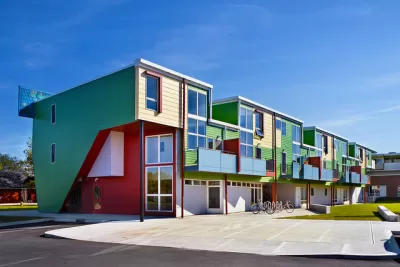
A new paper from the Lincoln Institute of Land Policy analyzes 886 local inclusionary housing policies across 25 states. The comprehensive study sheds light on how different jurisdictions have structured development requirements, as well as how effective they are in creating affordable supply.
The authors identified the jurisdictions that have adopted inclusionary housing programs, then categorized them by "whether they are mandatory or voluntary, whether they create for-sale or rental units, and crucially, the length of time for which they require units to remain affordable," Lincoln's blog explains.
Around 200,000 affordable housing units and $2 billion in-lieu fees can be attributed to inclusionary housing programs nationwide, according to the paper. Nearly all programs require units to remain affordable for 30 years or more—significantly longer than is typically mandated by federal programs.
Read the full story: New study looks at hundreds of affordable housing programs across the United States


Op-Ed: To Lower Housing Costs, Make it Cheaper and Easier to Build Housing
The argument in the headline, put more specifically: inclusionary zoning, fees, legal challenges, and minimum apartment sizes are counter-productive. The only policy that will add housing stock, is to make it much cheaper to add housing stock.
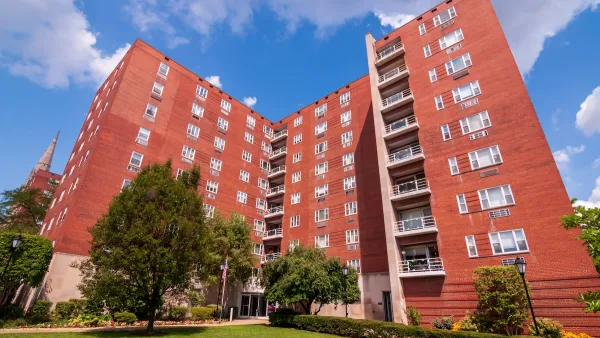
Pittsburgh Lawsuit Threatens Affordable Housing Requirement
A suit brought by a developers’ group calls the cost burden of the city’s inclusionary zoning law ‘unconstitutional.’
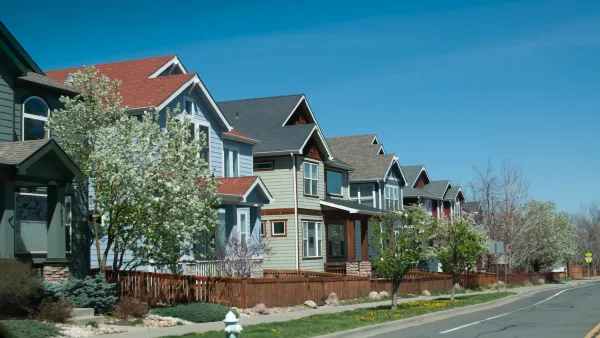
Proposed Boulder Ballot Measures Call for Impact Fees, Affordable Duplexes
Boulder residents are working to put two housing-related proposals on the November ballot.

Planetizen Federal Action Tracker
A weekly monitor of how Trump’s orders and actions are impacting planners and planning in America.

‘Going backwards:’ Baltimore mayor, students rally against state's transit funding plan
Maryland's proposed six-year plan provides no funding for Baltimore’s BMORE bus program and reduces its road maintenance funding.

Detroit to transform waterfront with $2.2 billion investment
Developers will convert about 18 acres of unused parking lot space into civic spaces.

Less housing, wasted money: study reveals impact of city parking mandates
The study found that 71% of carless households in the United States pay for a parking space they don’t use.

Minnesota seeks to replace fraud-ridden Housing Stabilization Services with new program
Federal prosecutors have charged over a dozen people in fraud cases involving at least $26 million.

A multi-billion dollar problem is brewing under Oakland’s streets
Oakland’s stormwater drainage systems are in desperate need of upgrades and repairs. The El Niño will only further strain the city’s infrastructure.

FREE Course: Walkable City 1: Why Walkability?
After describing his path towards focusing on walkability as the essence of good planning, Jeff Speck marches through his five principal reasons for making more walkable places.
Reinventing Malls: Planning Alchemy—Turning Gray Fields Into Gold
The course focuses on the opportunities and imperatives that shape reinvention of mall sites.

One Hundred Miles
County of Mendocino
planning NEXT
The Architects Foundation
University of Cincinnati Online
Montrose County
Northern Illinois Transit Authority (NITA)
The Pocatello Development Authority