Boulder residents are working to put two housing-related proposals on the November ballot.



Two proposed ballot initiatives in Boulder, Colorado would create new development fees to fund public infrastructure and mandate affordable housing commitments for duplex and triplex conversions.
As John Herrick explains for Boulder Reporting Lab, “The measures reflect longstanding frustration among some residents over real estate speculation and the perceived impacts of increased housing density as the Boulder City Council seeks to address the city’s housing affordability crisis.”
The New Development Shall Pay for Its Impacts measure would implement an impact fee based on a project’s impact on water, sewers, and other public infrastructure. “The second measure would require homeowners to provide affordable housing if they convert a single-family home into a duplex or triplex.” While the measure is designed to ensure affordability, it could discourage homeowners from creating the ‘gentle density’ the city hopes to spur by allowing multifamily housing on single-family zoned lots.
Read the full story: Boulder residents propose ballot measures to require developers to pay more, meet affordability requirements

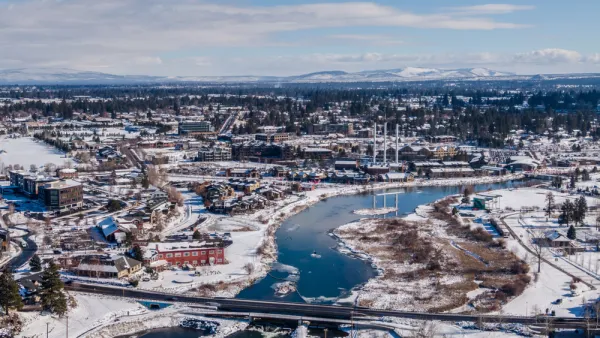
Upzoning Leads to Sharp Growth in Construction in Bend
After Oregon legalized 'missing middle housing' in cities statewide, Bend, the first city to comply with the state law, has experienced a significant boost in mid-density housing construction.
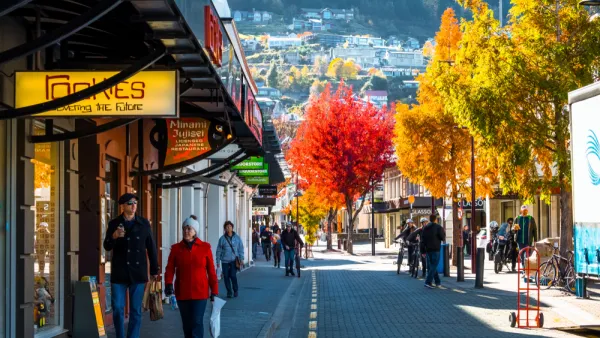
Zoning Reform: Lessons From New Zealand
The island nation is mandating mid-density zoning requirements and transit-oriented development in an effort to increase housing affordability and encourage compact development.
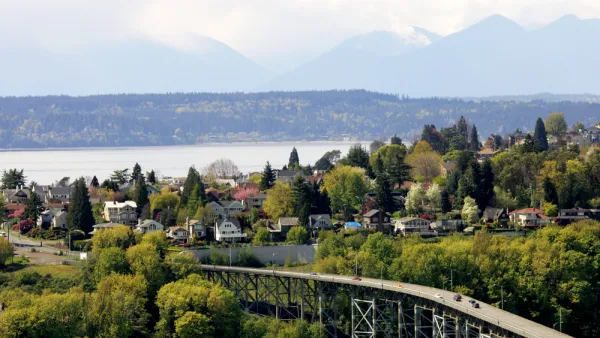
Survey: Seattle-Area Residents Support Upzoning
To fight the growing housing crisis, most King County residents support an end to single-family zoning and accelerated housing development, according to a new poll.

Planetizen Federal Action Tracker
A weekly monitor of how Trump’s orders and actions are impacting planners and planning in America.

California plans to bury El Niño’s downpour
If the state plays its cards right, it may be able to store a billion acre-feet of El Niño’s water in aquifers.

Chicago breaks ground on $3 billion megadevelopment
The new neighborhood, titled Foundry Park, will one day host 3,700 residences.

Satanic Place Names
From streams and lakes to valleys and canyons, I mapped more than 1,000 places named after the Devil.

California High-Speed Rail Authority CEO resigns after $600,000 scandal
Under Ian Choudri, the authority used taxpayer dollars to fund first class flights and trips to nightclubs.

Want to study the Missouri River? Soon, you may need unanimous approval from 10 states
Legislation would require 10 governors’ permission to study or build projects moving water outside the basin.

FREE Course: Walkable City 1: Why Walkability?
After describing his path towards focusing on walkability as the essence of good planning, Jeff Speck marches through his five principal reasons for making more walkable places.
Reinventing Malls: Planning Alchemy—Turning Gray Fields Into Gold
The course focuses on the opportunities and imperatives that shape reinvention of mall sites.

City of Rosemead
Rutgers University, Edward J. Bloustein School of Planning and Public Policy
One Hundred Miles
Hunter College, City University of New York (CUNY)
The Architects Foundation
University of Cincinnati Online
City of Cambridge
Montrose County
The Pocatello Development Authority