The Twin Cities have a super-sized incentive to nail down regulations for short-term rentals. A tax revenue windfall hangs in the balance.



"With February’s Super Bowl at U.S. Bank Stadium, [Minneapolis and St. Paul] are actively discussing ordinances aimed at regulating this industry — not to mention collecting a little revenue," reports Greta Kaul.
Kaul notes that Airbnb already has a sizable portfolio in the Twin Cities, though none of the rentals are technically legal.
The article serves in part as a primer on the nascent field of short-term rental regulations practices before transitioning to a discussion of the specific of each city's proposed regulations. St. Paul's initial proposal, writes Kaul, "would limit short-term rentals to half of the units in a multidwelling building, up to four total; would disallow commercial or social events, require hosts to pay a $70 fee to be licensed and require them to pay lodging and sales tax (typically, St. Paul’s lodging tax is 3 percent [pdf], in addition to sales taxes and transit taxes, for establishments with less than 50 rooms), property insurance, and require non-owner-occupied units to have fire inspections, plus require platforms to pay $7,000 to operate in the city (St. Paul imposes a $30,000 licensing fee on ride network platforms like Lyft and Uber), among other provisions."
Meanwhile in Minneapolis a draft ordinance appearing before the Community Development and Regulatory Services Committee of the City Council this week "would require operators of short-term rentals to be licensed."
FULL STORY: With Super Bowl windfall in sight, Minneapolis and St. Paul look to regulate short-term rentals

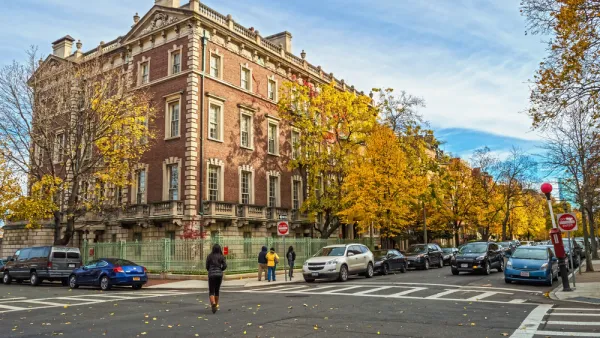
Boston Mayor Wants to Limit Short-Term Rentals
Boston Mayor Martin J. Walsh thinks short-term rental companies like Airbnb are having a negative effect on the city's housing market, and he'll walk a fine line to regulate the industry.
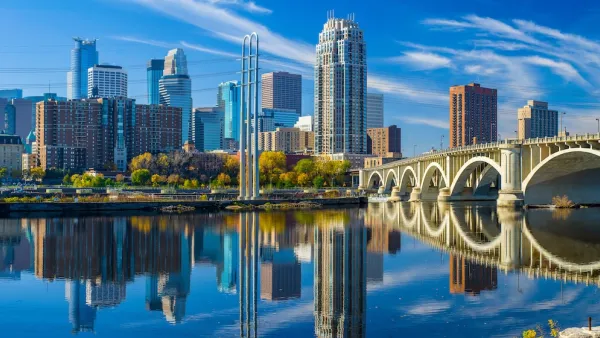
Looking Back on 60 Years of Land Development in the Twin Cities
In 1960, about 12 percent of the Twin Cities metro's land was already developed. By 2020, about 34 percent had been developed. Many factors influenced how the region has changed since 1960.
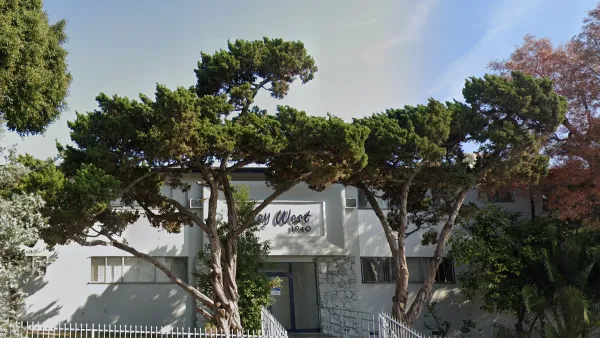
LA Officials Struggle to Enforce Short-Term Rental Rules
Hundreds of rent-controlled units are being illegally rented out as short-term rentals, pushing out long-term renters and exacerbating the city’s housing crisis.

Planetizen Federal Action Tracker
A weekly monitor of how Trump’s orders and actions are impacting planners and planning in America.

The state-sanctioned urbicide of Austin
People don’t kill cities. Freeways do.

US to reduce Colorado River water deliveries to Mexico
A new Colorado Treaty amendment reduces Mexico’s Colorado River water allocation by 250,000 acre feet.

5 New England states march closer to 800 megawatt wind energy project
Securing federal approval for the project may be complicated under the Trump administration, which has historically been hostile towards domestic wind power.

Baltimore to break ground on $50 million Transit Priority Project
The project will bring faster bus trips, safer streets and better bike connections to Baltimore.

Airbnb launches $250 million 'last-dollar financing' housing accelerator, makes first investment in Austin
The company will put $6.4 million towards affordable housing development in Texas’ capital.

FREE Course: Walkable City 1: Why Walkability?
After describing his path towards focusing on walkability as the essence of good planning, Jeff Speck marches through his five principal reasons for making more walkable places.
Reinventing Malls: Planning Alchemy—Turning Gray Fields Into Gold
The course focuses on the opportunities and imperatives that shape reinvention of mall sites.

Eagle County Government
Harvard University Graduate School of Design
Nashville Planning Department
The Architects Foundation
University of Cincinnati Online
The Pocatello Development Authority
The Urban Renewal Agency of the City of Pocatello
Journal of the American Planning Association