Building on the edge of natural areas comes with risks, including wildfires and landslides. Colorado Springs will try to discover the extent of the risk from the latter at the western edge of the city.


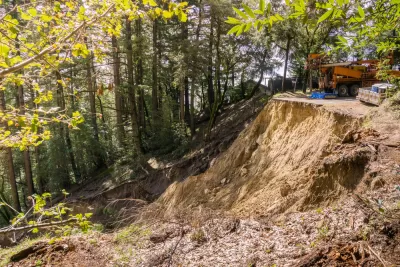
The city of Colorado Springs has procrastinated long enough it seems, and will finally take on an expensive study of the Cheyenne Mountain landslide complex, which is two miles long and impacting housing developments and a golf course.
"Colorado Springs is undertaking a $500,000 study of the enormous Cheyenne Mountain landslide complex, nearly 1½ years after being urged to do so quickly by the Colorado Geological Study," reports Billie Stanton Anleu.
In April 2016, State Geologist Karen Berry was quoted warning the city that "[l]ittle is known about the depth of the landslide, its rate of movement, the aerial extent of movement, or the toe of past and current slope movement," but the landslide could be "extensive."
A 500-year storm exacerbated the landslide in May 2015.
Read the full story: Colorado Springs commissions study of massive landslide complex
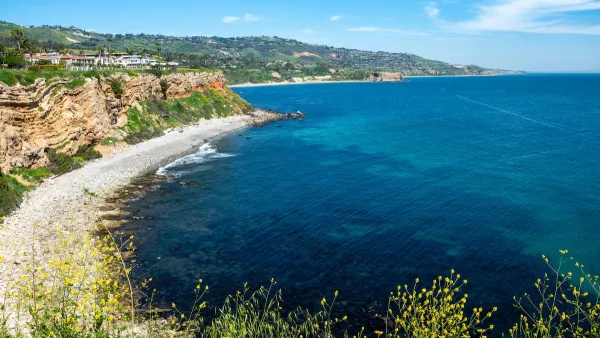
Southern California City Offers Buyout to Homeowners Facing Erosion Threat
Power and gas were shut off to dozens of homes in Rancho Palos Verdes as landslides threatened homes and infrastructure. Now, the city is offering to buy the homes to help residents relocate.
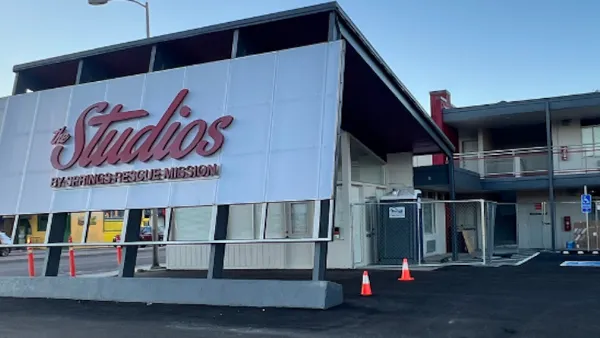
Colorado Springs Motel Converted to Supportive Housing
A vacant motel now offers 12 supportive housing units for formerly homeless women.
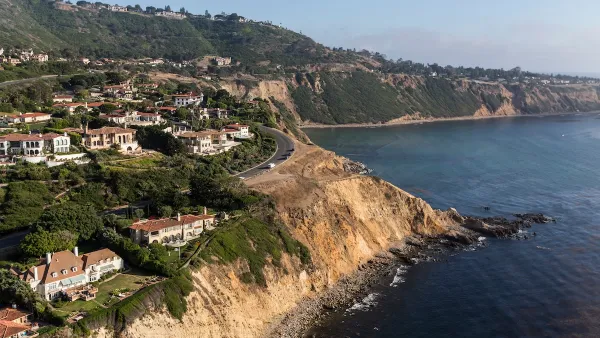
Southern California Utilities Cut Power, Gas to Hundreds of Households on Shifting Coastal Land
Slow but significant land movement is damaging infrastructure, prompting power shutoffs and calls for evacuation in Rancho Palos Verdes.

Planetizen Federal Action Tracker
A weekly monitor of how Trump’s orders and actions are impacting planners and planning in America.

California plans to bury El Niño’s downpour
If the state plays its cards right, it may be able to store a billion acre-feet of El Niño’s water in aquifers.

Desperate measures: Advocates weigh draining Lake Powell to fill Colorado River
Draining the reservoir could reduce evaporation losses by a couple hundred thousand acre-feet.

Mamdani’s pied-à-terre tax survives legal challenge
A panel of judges found that the plaintiffs failed to demonstrate injury as a result of New York City's implementation of the tax.

Eastern Nebraska is running out of electricity
Data centers and electrification are straining eastern Nebraska’s grid, throttling economic development.

Seattle passes record-breaking transit services expansion
Proposition 1 will double the city’s transit tax to add 95,000 more bus trips and preserve 180,000 bus trips annually.

FREE Course: Walkable City 1: Why Walkability?
After describing his path towards focusing on walkability as the essence of good planning, Jeff Speck marches through his five principal reasons for making more walkable places.
Reinventing Malls: Planning Alchemy—Turning Gray Fields Into Gold
The course focuses on the opportunities and imperatives that shape reinvention of mall sites.

City of Rosemead
Rutgers University, Edward J. Bloustein School of Planning and Public Policy
One Hundred Miles
University of Michigan School for Environment and Sustainability (SEAS)
Hunter College, City University of New York (CUNY)
The Architects Foundation
City of Cambridge
Montrose County
The Pocatello Development Authority