A lack of housing is responsible for an expected decline of the Silicon Valley's economic dominance, according to this opinion piece.


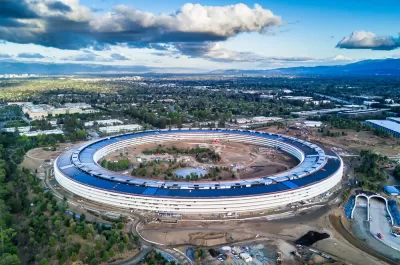
Conor Sen argues a sure-to-be controversial point: that the Silicon Valley is fading, like the industrial societies of previous decades. The most conspicuous sign of this trend, according to Sen, is the construction of Apple's new headquarters. "The construction of large corporate headquarters and skyscrapers often turns out to be a sign of an economic peak," according to Sen. Apple was proceeded by the Empire State Building, Sears Tower (now the Willis Tower), and the Burj Khalifa.
But Apple's new $5 billion headquarters is the anecdote in Sen's analysis of the Silicon Valley economy.
While the technology industry is more powerful than ever and its largest companies continue to grow, the geography they call home increasingly looks tapped out. Employment in the San Jose metro area had its largest drop in August in seven years. It’s fallen in four of the eight months in 2017, and sits at a level not much higher than it reached at the peak of the dot-com boom almost 17 years ago.
Sen concludes by citing a prohibitively expensive housing market as central to the region's decline.
Read the full story: The Numbers Show Silicon Valley Is Already Fading

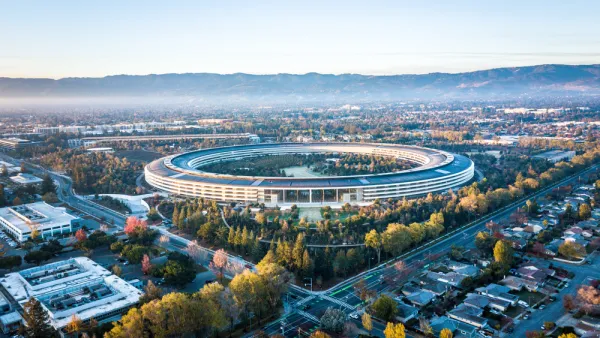
Apple Could Make Northern Virginia a Tech Industry Powerhouse
Apple is pondering a major move into Northern Virginia. For comparison, state officials have pitched sites covering about half the desired size of Amazon's second headquarters and two-thirds the size of the Pentagon.
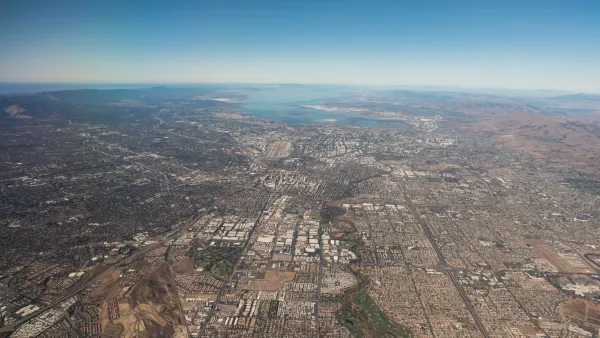
Silicon Valley Isn't Really Over
Though a handful of recent articles predicted "peak Silicon Valley," new numbers show the region is still producing lots of good jobs and attracting plenty of venture capital.
Fannie Mae Economists Predict Slow Housing Market in 2025
A December report forecasts a continued “lock-in effect” due to high mortgage rates and a low production of multifamily housing.

Planetizen Federal Action Tracker
A weekly monitor of how Trump’s orders and actions are impacting planners and planning in America.

California plans to bury El Niño’s downpour
If the state plays its cards right, it may be able to store a billion acre-feet of El Niño’s water in aquifers.

Desperate measures: Advocates weigh draining Lake Powell to fill Colorado River
Draining the reservoir could reduce evaporation losses by a couple hundred thousand acre-feet.

How a Chicago-sized wind farm beat the odds and powered on
The project spanned five presidential administrations and a standoff with a U.S. military base.

MTA gives itself 30 days to transform pit into basketball court
The site has been under construction since 2022; the city originally estimated it would finish the court in 2024.

Non-stop party: Chicago voters weigh permanent festival grounds
A stable place for bleachers, stages and drainage may streamline the setup and teardown of large events.

FREE Course: Walkable City 1: Why Walkability?
After describing his path towards focusing on walkability as the essence of good planning, Jeff Speck marches through his five principal reasons for making more walkable places.
Reinventing Malls: Planning Alchemy—Turning Gray Fields Into Gold
The course focuses on the opportunities and imperatives that shape reinvention of mall sites.

City of Rosemead
Rutgers University, Edward J. Bloustein School of Planning and Public Policy
One Hundred Miles
Hunter College, City University of New York (CUNY)
The Architects Foundation
University of Cincinnati Online
City of Cambridge
Montrose County
The Pocatello Development Authority