The confirmation of David Bernhardt as Deputy Secretary of the Interior has upset environmentalists and advocates for public land.


"The Senate confirmed David Bernhardt as second in charge at the Interior Department on Monday despite recent claims that he continued to represent a client as a lobbyist after his registration was deactivated," reports Darryl Fears.
"Republicans praised Bernhardt, who previously worked as a solicitor at Interior, as an experienced complement to Secretary Ryan Zinke," adds Fears. "Democrats called him a 'walking conflict of interest' for representing corporate interests opposed to regulations at the department that aim to help clean air and water."
For more reading on David Bernhardt, see also an article written by Fears the day before the nomination, digging deeper into the controversy surrounding his nomination.
Read the full story: Senate confirms David Bernhardt as Interior deputy

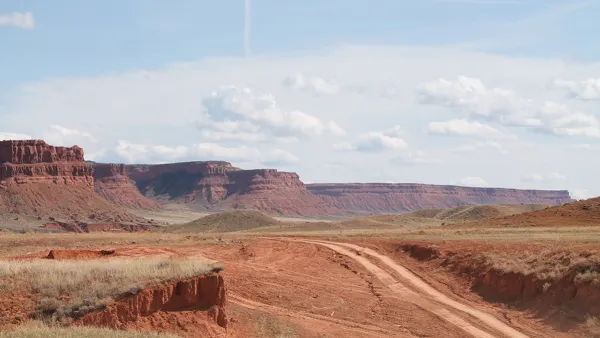
'Unprecedented' Sale of Public Land Concerns 'Even Some Republicans'
As the Department of the Interior auctions off 'vast swaths' of American wilderness to oil and gas companies, fiscal conservatives and conservationists alike wonder if it’s the right thing at the right time.
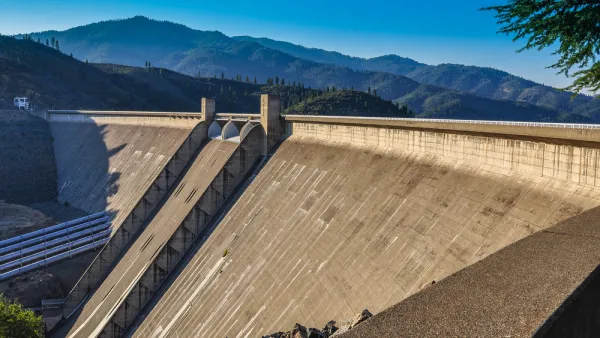
Why Are the Feds Suddenly in Favor of Raising the Shasta Dam?
Despite state opposition and potential violations of California law, the Trump Administration has revived a project that was deemed impracticable only a few years ago.
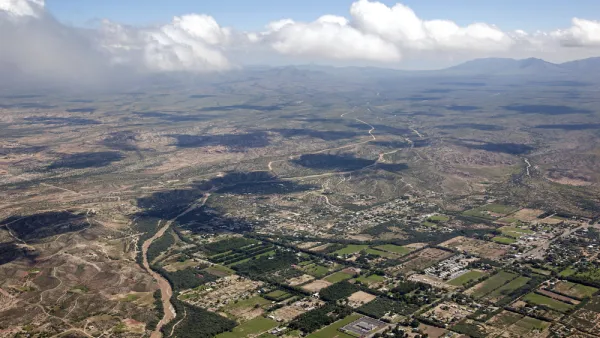
House Natural Resources Committee Reveals Bribes in Trump’s Interior Department
Evidence of a 2017 quid pro quo for development permits connected to a massive master planned community proposed in the Arizona desert led the House Natural Resources Committee to take unprecedented action in 2022.

Planetizen Federal Action Tracker
A weekly monitor of how Trump’s orders and actions are impacting planners and planning in America.

Amtrak, CN end decades-long dispute with eight-year agreement
The new operating agreement establishes an updated framework for the companies to work together, including processes to resolve disputes.

Judges permit Denver to divert 77,000 acre feet from the Colorado River for reservoir expansion
Overuse and climate change have caused the Colorado River’s water levels to plummet.

Idaho may see an 18% drop in federal surface transit funding — the largest estimated cut in the US
Transit systems in rural communities are much more reliant on federal funding to provide their services.

How ‘post-disaster gentrification’ alters neighborhoods after natural calamities
After hurricanes, fires or other calamities, the original residents of a community are often replaced by younger, wealthier residents.

Maryland local governments examine if they should have more power to raise property taxes
Maryland’s housing market is out of reach for the majority of moderate-income residents.

FREE Course: Walkable City 1: Why Walkability?
After describing his path towards focusing on walkability as the essence of good planning, Jeff Speck marches through his five principal reasons for making more walkable places.
Reinventing Malls: Planning Alchemy—Turning Gray Fields Into Gold
The course focuses on the opportunities and imperatives that shape reinvention of mall sites.

Harvard University Graduate School of Design
KFH Group Inc.
Greater Baltimore Committee
The Architects Foundation
University of Cincinnati Online
The Pocatello Development Authority
The Urban Renewal Agency of the City of Pocatello