The state of Colorado is growing quickly, and that means planners and developers will have to actively implement more efficient water infrastructure.


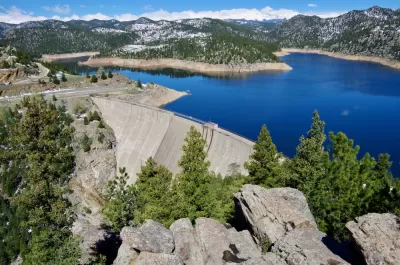
"If population projections for Colorado and the region are on target, water supplies could be a critical issue by mid-century," according to an article by Josephine Peterson.
Organizations like the Colorado Water and Growth Dialogue at the Keystone Policy Center are responding to these pressures by pushing for local communities to make planning and development changes that do a better job of managing water waste. Other advocacy examples cited by Peterson include the state demographer's office, U.S. Rep. Scott Tipton (R-Cortez), and the Colorado Water Conservation Board. Each are taking different approaches to the challenge of maintaining healthy water supplies for a growing population.
Throughout the article, the onus is put on planners to take a leadership role in ensuring water security for the future.
Read the full story: Water experts prepare for state population boom

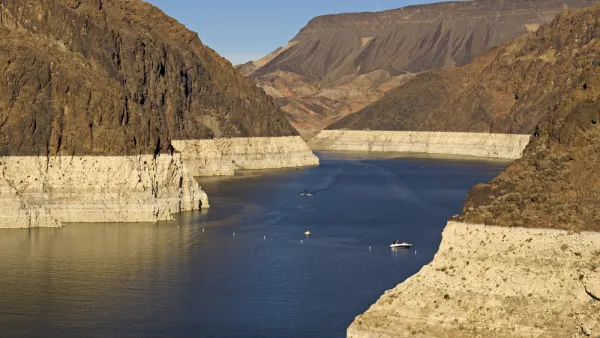
House Bill Would Invest Up to $750 Million in Wastewater Recycling Projects
HR 4099, which recently passed a House subcommittee, would create a new pool of money for 17 western states to use for new wastewater recycling capacity.
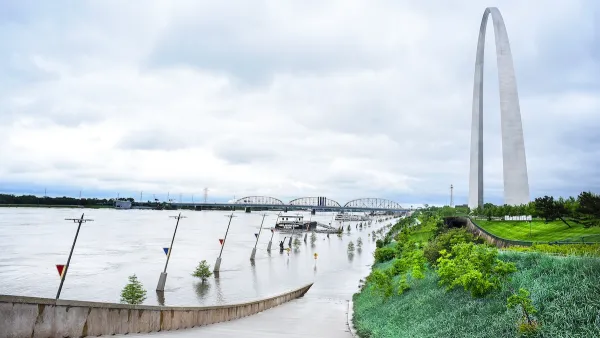
St. Louis has a Secret Stormwater Weapon Saving 100 Million Gallons from the Mississippi
The city reimburses residents who install gardens, rain barrels, and other methods that retain stormwater and decrease the risk of flooding.
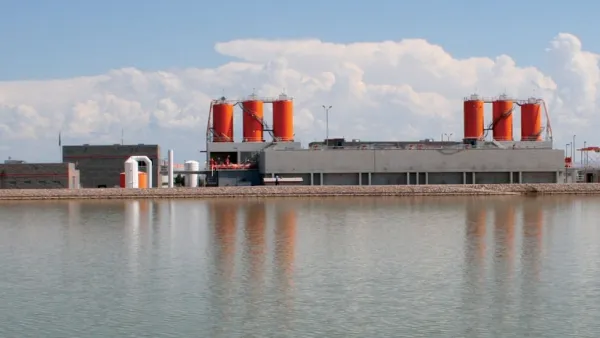
El Paso Wastewater Purification Facility Breaks Ground
As water supplies become strained and technology advances, cities look to wastewater as a viable source of drinking water.

Planetizen Federal Action Tracker
A weekly monitor of how Trump’s orders and actions are impacting planners and planning in America.

‘Going backwards:’ Baltimore mayor, students rally against state's transit funding plan
Maryland's proposed six-year plan provides no funding for Baltimore’s BMORE bus program and reduces its road maintenance funding.

Detroit to transform waterfront with $2.2 billion investment
Developers will convert about 18 acres of unused parking lot space into civic spaces.

Planned $2 billion courthouse in MA sparks tension with local government
Springfield owns an essential piece of the land developers intend to build on, and some city officials do not want to see the project come to fruition.

Californians can now transform balconies into power generators
Gov. Gavin Newsom has legalized plug-in solar technology, which allows residents to plug solar panels directly into their outlets

This 85-year-old ranch is Texas’ newest state park
The 650 acre ranch is one of the largest parcels of land along Lake Palestine.

FREE Course: Walkable City 1: Why Walkability?
After describing his path towards focusing on walkability as the essence of good planning, Jeff Speck marches through his five principal reasons for making more walkable places.
Reinventing Malls: Planning Alchemy—Turning Gray Fields Into Gold
The course focuses on the opportunities and imperatives that shape reinvention of mall sites.

City of Thousand Oaks
City of Wisconsin Rapids
Harvard University Graduate School of Design
The Architects Foundation
University of Cincinnati Online
Northern Illinois Transit Authority (NITA)
The Pocatello Development Authority
The Urban Renewal Agency of the City of Pocatello