Recent news reports have highlighted the low number of federally-funded affordable housing projects that are built in high-opportunity areas, but an examination has found that strategic allocation changes are having a beneficial effect in New Jersey.


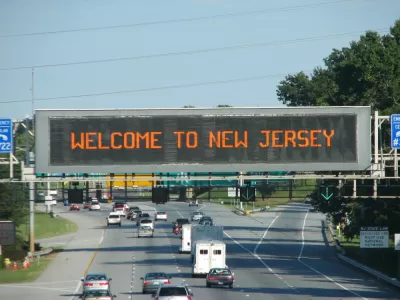
While recent news reports have highlighted the low number of affordable housing projects being built in high-opportunity areas using federal tax credits, a recent examination by New Jersey Future has found that strategic changes in the way federal funds are allocated for affordable housing in the state have meant that many more affordable housing projects have been directed away from high-poverty neighborhoods and toward areas that offer greater economic opportunity.
To evaluate whether those changes had their intended effect, New Jersey Future compared affordable housing projects that received federal Low-Income Housing Tax Credits (LIHTC) between 2005 and 2012 with projects that received credits between 2013 and 2015, after the New Jersey Housing and Mortgage Finance Agency (NJHMFA), which administers the tax credits, made significant changes to the criteria it uses to award them.
FULL STORY: These Changes to Tax Credit Criteria Are Breaking Up Concentrated Poverty

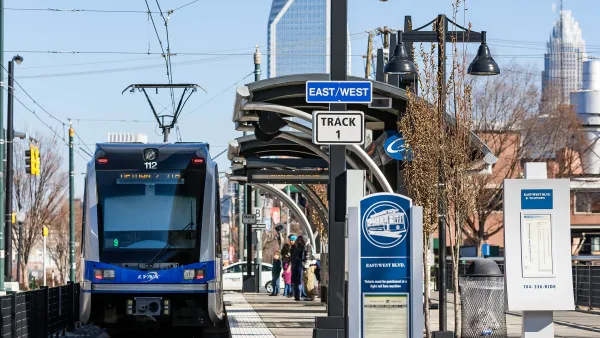
The triumph and tragedy of light rail in Charlotte
Like the iPhone, Charlotte's Blue Line represents a missed opportunity for the public to recoup the value it created.

Paradise Lost, Paradise Found: Planning for People Rather Than Cars in Hawai'i
With better planning Honolulu can become an active travel paradise. Replace car sewers with pedestrian promenades, and build urban villages where it is easy to get around without driving.
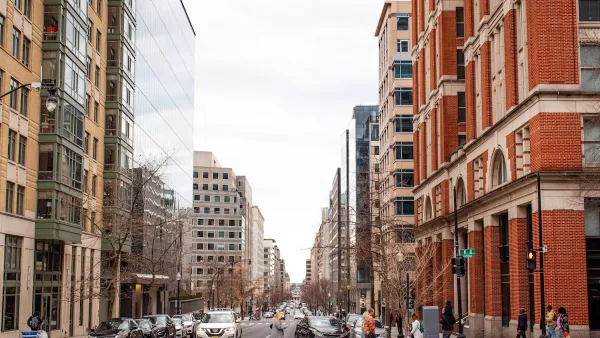
Mismanagement Leads to Loss of up to $35M for DC Affordable Housing
The District’s housing agency forfeited what would amount to $35 million in federal housing funds over the next decade.

The state-sanctioned urbicide of Austin
People don’t kill cities. Freeways do.

US to reduce Colorado River water deliveries to Mexico
A new Colorado Treaty amendment reduces Mexico’s Colorado River water allocation by 250,000 acre feet.

New Jersey’s second-largest city bans standalone data centers
Jersey City will continue to allow co-location facilities, such as those meant for research institutions that store their own data.

Amtrak not solely to blame for New Jersey commuter rail's unreliability, report finds
A new study from the Garden State Initiative found that NJ Transit’s budget grew 20% across a 4 year period, but reliability declined significantly over the same period.

EPA erases limits on planet-warming pollution from power plants
Under Monday’s plan, power plants would still have some limits on how much mercury, arsenic and other contaminants they can emit.

Phoenix announces new on-demand transit service, more frequent RAPID buses
Both new services will launch in October, and are part of Phoenix's Project Effective Access Solutions for Easing Congestion.

FREE Course: Walkable City 1: Why Walkability?
After describing his path towards focusing on walkability as the essence of good planning, Jeff Speck marches through his five principal reasons for making more walkable places.
Reinventing Malls: Planning Alchemy—Turning Gray Fields Into Gold
The course focuses on the opportunities and imperatives that shape reinvention of mall sites.

Eagle County Government
Harvard University Graduate School of Design
Nashville Planning Department
The Architects Foundation
University of Cincinnati Online
The Pocatello Development Authority
The Urban Renewal Agency of the City of Pocatello
Journal of the American Planning Association