The Democratic-controlled New Mexico legislature passed a 5-cents per gallon fuel tax increase and the Republican-controlled Assembly in Wisconsin backed a plan to apply sales tax to fuel, but their Republican governors oppose any tax hikes.


Efforts to increase transportation funding through hiking user fees continue to make significant process in 2017, but getting to the finish line is extremely challenging. An effort in Louisiana to hike gas taxes 17 cents per gallon, posted May 25, faces the "California challenge" of meeting a two-thirds supermajority legislative threshold, but has the support of Democratic Gov. John Bel Edwards. Backers delayed a vote until next week, reports the Associated Press.
In New Mexico, Senate Bill 2, sponsored by Representative Jim R. Trujillo - (D) and Senator Clemente Sanchez - (D) hikes gas and diesel taxes by five cents per gallon and add a $55 registration fee on interstate freight trucks. It passed the Democratic-controlled legislature on May 25, but Republican Gov. Susana Martinez vows to veto any tax hikes, reports the Associated Press.
Chances of a legislative override, as was done on May 10 by South Carolina's Republican-controlled legislature over Republican Gov. Henry McMaster's veto of the 12-cents per gallon gas tax hike, or by Nebraska's Republican-controlled unicameral legislature over Republican Gov. Pete Ricketts in May 2015 of the 6-cents per gallon gas tax increase, would appear to be extremely unlikely.
"The bill passed 37-28 along mostly partisan lines, with conservative state Rep. Candie Sweetser, D-Deming, joining all Republicans present in voting no," according to the NM Political Report.
In Wisconsin, a comprehensive tax reform package titled "The Road to a Flat Tax" by Representative Dale Kooyenga includes "applying the 5 percent state sales tax to fuel purchases while cutting the 30.9-cent per-gallon fuel tax by 4.8 cents," report Matthew Defour and Mark Sommerhauser on May 5 for the Wisconsin State Journal
Together, those changes net an increase of about $380 million in revenue for roads, bridges and transit over the next two years, according to an estimate from the nonpartisan Legislative Fiscal Bureau.
The plan would create an annual fee of $30 for hybrid vehicles and $125 for electric vehicles, yielding about $4.8 million over the next two years, and seek federal approval to begin tolling U.S. interstates in Wisconsin.
The plan also calls for rolling back the state’s minimum markup requirement for fuel sales, which Assembly Republicans predict will cause the overall price of fuel to decline, despite the new sales tax on fuel.
The proposal is backed by more than 40 of the 64 Republican members of the 99 member state Assembly, including Speaker Robin Vos, R-Rochester. The plan is blasted by Assembly Democrats because of what they view as regressive changes to the income tax. So far it has received a mixed reception by the Republican-controlled state Senate.
Gov. Scott Walker's approach
LIke his Republican counterparts in New Mexico, South Carolina, and Nebraska, Gov. Scott Walker opposes any tax hikes.
Walker’s budget calls for closing a nearly $1 billion shortfall in the transportation fund with $500 million in borrowing, delaying some major projects and transferring money from the general fund. He also is increasing funding for county and municipal road aid, though local government officials have said it’s not enough to address their long-term costs.
That approach, which Walker encapsulated in a May 25 press release, "Get it Done," was not received well by Assembly Majority Leader Jim Steineke (R-Kaukauna), according to WTAQ:
“Everybody we talk to thinks it’s crazy to delay projects and make them more expensive in the future, or…just continue to put the cost of these things on the credit card,” he said. “Everybody I talk to thinks that we should pay for it as we go.”
Hat tip to AASHTO Daily Transportation Update.
Read the full story: Assembly GOP plan overhaul fuel taxes, steers state toward flat income tax

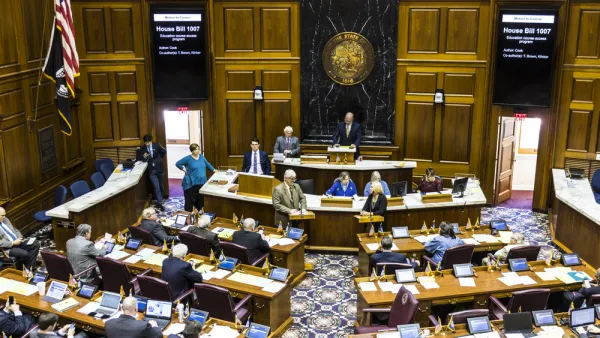
Indiana Legislature Passes 10-Cents Fuel Tax Hike on Final Day of Session
Just past midnight on Saturday morning, the Indiana State Senate passed the transportation plan after the Housed approved it Friday. It also passed a $32 billion, two-year state budget bill, then adjourned for the year, one week ahead of schedule.
ICYMI: 12 States Hiked Gas Taxes on Monday
On July 1, Illinois and Ohio increased gas taxes by double digits: 19 cents per gallon and 10.5 CPG, respectively, followed by California at 5.6 CPG, all due to legislation passed this year or in 2017. Diesel tax hikes were even higher.
A Small but Significant Fuel Tax Hike for Arkansas
The 3 cent gas tax and 6 cent diesel tax increases are among the lowest of any states that have hiked fuel taxes since 2013, but combined with other revenue sources in the legislation, plus an upcoming sales tax ballot measure, it's historic.

Planetizen Federal Action Tracker
A weekly monitor of how Trump’s orders and actions are impacting planners and planning in America.

Colorado’s Largest Data Center Could Rise Next to Homes — Without a Public Hearing
The proposed campus would consume 11 times the power of Denver International Airport; as it has across the country, opposition mounts.

US to reduce Colorado River water deliveries to Mexico
A new Colorado Treaty amendment reduces Mexico’s Colorado River water allocation by 250,000 acre feet.
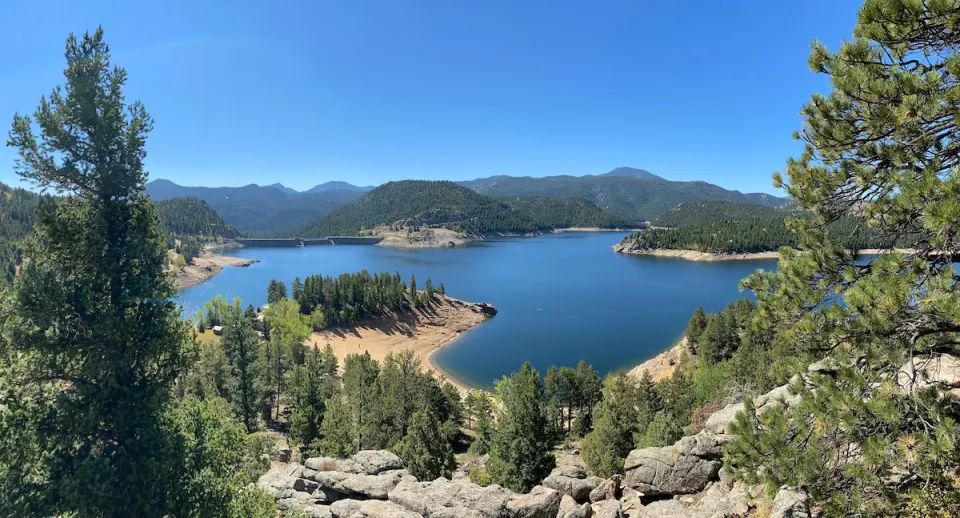
Judges permit Denver to divert 77,000 acre feet from the Colorado River for reservoir expansion
Overuse and climate change have caused the Colorado River’s water levels to plummet.
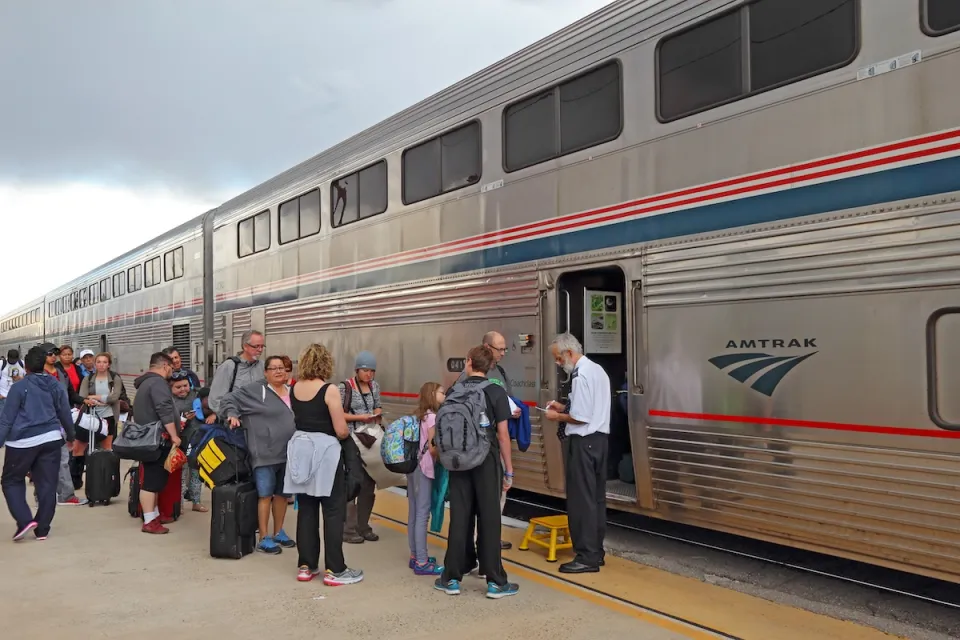
Amtrak, CN end decades-long dispute with eight-year agreement
The new operating agreement establishes an updated framework for the companies to work together, including processes to resolve disputes.
Raised interest rates may kill financially vulnerable construction projects
The chief economist at ConstructConnect warns that if construction project owners are negatively impacted by the raised rates, it could result in delayed payments to contractors.

FREE Course: Walkable City 1: Why Walkability?
After describing his path towards focusing on walkability as the essence of good planning, Jeff Speck marches through his five principal reasons for making more walkable places.
Reinventing Malls: Planning Alchemy—Turning Gray Fields Into Gold
The course focuses on the opportunities and imperatives that shape reinvention of mall sites.

KFH Group Inc.
Greater Baltimore Committee
Eagle County Government
The Architects Foundation
University of Cincinnati Online
The Pocatello Development Authority
The Urban Renewal Agency of the City of Pocatello