Proposals to revamp the Seattle Center seem to arise with every mayoral administration in Seattle. This time, however, the Seattle Center is at the literal center of an explosion of growth.



Knute Berger reports that a sign of Seattle's ongoing boom is a new plan to refresh the Seattle Center—the grounds and property home to the Space Needle, among other attractions.
According to Berger, refreshing the Seattle Center is a perpetual idea for planners in Seattle. The most recent refresh was proposed in 2008, but Gerger remembers seeing pitches for the area going back to 1950—12 years before "Seattle World’s Fair that transformed it."
According to Berger, the Seattle Center is now at the center of a cycle of growth and surrounded by upzonings and development investments on all sides. Inevitably, talk of redevelopment has resurfaced:
Mayor Ed Murray appointed Deputy Mayor Kate Joncas, formerly of the Downtown Seattle Association, to look to the future of the Center campus and to explore the possibilities of creating a new grand vision. There has been talk of locating a high school at the Memorial Stadium site. Open-space advocates have long wanted that land for more open space, but it is owned by Seattle Public Schools, which has been reluctant to let it go.
Berger includes a few recommendations for considerations that should be on the table as the Seattle Center redevelopment moves forward. There's also a point to be made about one fairly conspicuous consideration: "The Center’s top attraction, the Space Needle, is also in the feasibility stage of a major upgrade, which would include better access to the top (via dual elevators on two sides), decluttered views (replacing the wire cage around the Observation Deck with glass) and interior changes to the restaurant level, such as installing a glass floor."
Read the full story: Could Seattle Center become cool again?

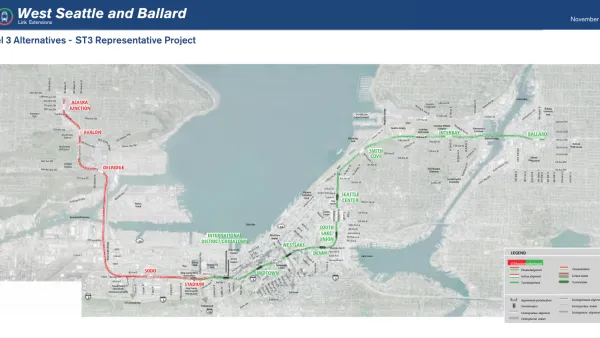
Checking in on the Progress of the Sound Transit 3 Plan
The Seattle area's $53.8 billion transit expansion plan is moving along in fits and starts.
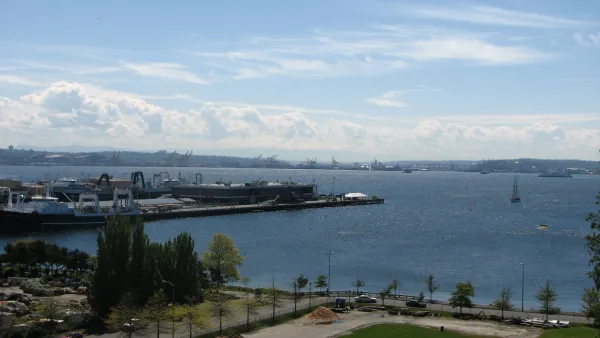
Report Explores Future of Seattle Interbay Armory Site
The 25-acre site will be vacant after the National Guard relocates, and a new report says a public development authority should manage the property.
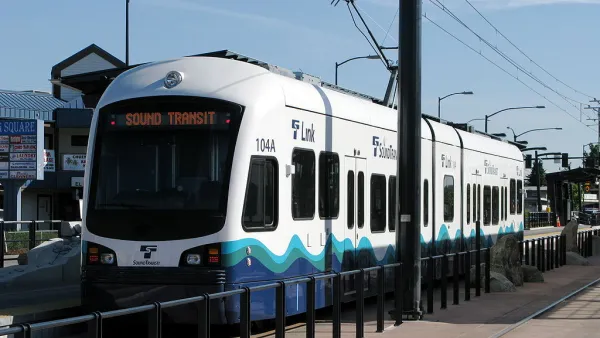
Seattle Light Rail Expansion Brings Redevelopment Boom
The city’s Northgate Link extension has spurred development around the new stations, and one neighborhood is poised to change dramatically.

Planetizen Federal Action Tracker
A weekly monitor of how Trump’s orders and actions are impacting planners and planning in America.

Northwest rail fans eager for Sept. 30 debut of Amtrak’s Airo fleet
Get ready for that new train smell and more seats. But they won’t go faster or run more frequently on the Cascades route in Washington and Oregon.
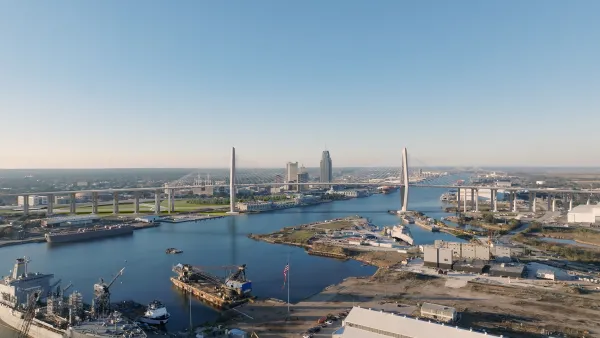
Alabama scores up to $2.5 billion federal loan for largest infrastructure project in state’s history
The Mobile River Bridge and Bayway Project aims to ease congestion at Alabama’s worst bottleneck.

Novel study finds extreme state-by-state disparity in housing construction timelines
The first comprehensive working paper on U.S. construction timelines also found that the permitting process for multi-family projects has slowed nationwide.

California may destroy its beaches trying to save homes from El Niño
Boulders and seawalls can protect homes from waves, but ultimately destroy sandy beaches.

California high-speed rail accomplishes only one legislative goal in 2026
The majority of the agency's failed pitches were never developed into written proposals.

FREE Course: Walkable City 1: Why Walkability?
After describing his path towards focusing on walkability as the essence of good planning, Jeff Speck marches through his five principal reasons for making more walkable places.
Reinventing Malls: Planning Alchemy—Turning Gray Fields Into Gold
The course focuses on the opportunities and imperatives that shape reinvention of mall sites.

City of Thousand Oaks
City of Wisconsin Rapids
Harvard University Graduate School of Design
The Architects Foundation
University of Cincinnati Online
Northern Illinois Transit Authority (NITA)
The Pocatello Development Authority
The Urban Renewal Agency of the City of Pocatello