Middle class African Americans are leaving Chicago, and that leaves neighborhoods like the city's South Shore reeling.


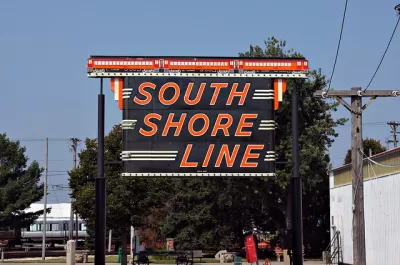
Chicago's South Shore has long been home to middle class black families. The area boasts quick access to downtown and was once home to former first lady, Michelle Obama. In recent years, however, the neighborhood has been shrinking as families move to avoid a struggling economy and rising crime rates. "This population loss — 181,000 black residents between 2000 and 2010 — is tearing at the financial underpinnings and the social fabric of the entire city," Kathy Bergen, Angela Caputo, and William Lee write in their piece for the Chicago Tribune.
Some say the city is responsible for some of the neighborhood's woes. "As industry has fled the city over the past 30 years, the city's economic development efforts have focused heavily on wooing out-of-town or suburban employers to relocate to Chicago, often to the downtown," the Tribune team writes. One struggle has been a lack of grocery stores ever since the Dominick’s shut down in Jeffrey Plaza three years ago, though there may finally be a new grocery store tenant coming soon.
Read the full story: South Shore, once thriving, struggles amid economic erosion and crime
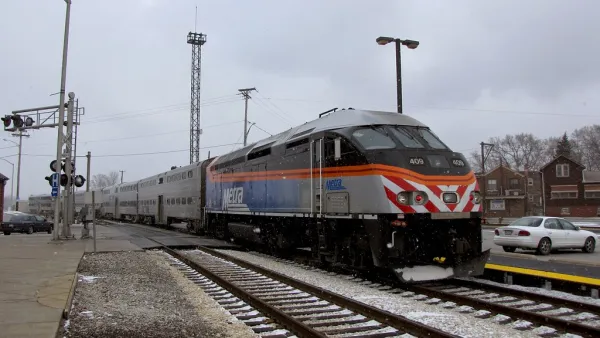
Opinion: Improved Commuter Rail Services Would Better Serve Chicago’s South Side Residents
The city’s South Side residents need more transit options, but an extension of the Chicago Transit Authority’s Red Line would be a costly and less effective alternative.
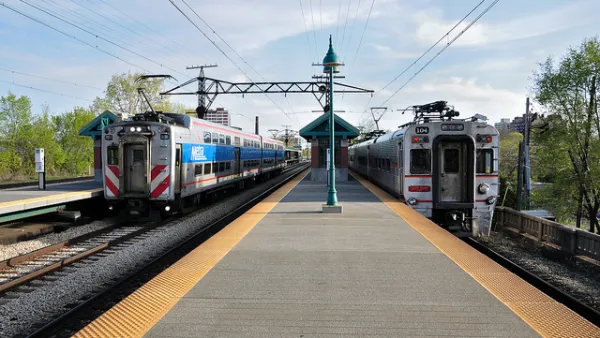
Chicago's Metra Will Build a 95th Street Station
Metra’s Electric line is one of the few places where Chicago’s commuter rail owns the tracks. Transit advocates have lobbied for years for the service to be run more like traditional public transit.
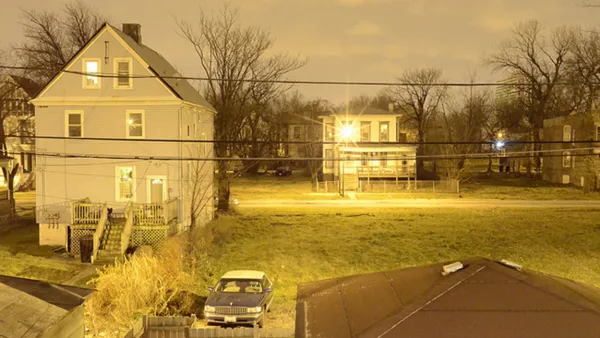
Chicago's Low Income Neighborhoods Face Worst Pollution, Study Finds
A report from the Natural Resources Defense Council (NRDC) found that Chicago's South and West sides face more air pollution than the wealthier parts of the city.

Planetizen Federal Action Tracker
A weekly monitor of how Trump’s orders and actions are impacting planners and planning in America.

Washington state to charge fee to drivers with fuel-efficient cars
Revenue from the fee will go towards supporting the state’s highways.

Study reveals best places in the U.S. for cycling, walking
New research from Streetlight Data examines bicycle and pedestrian miles per capita in the 100 largest U.S. cities by population.

Mamdani unveils his ‘most ambitious bus lane project’ so far
The city has added two new bus lanes, which it expects to speed up tens of thousands of bus riders’ commutes.

New Jersey and New York suggest $10.3 billion budget for transit
Some of the budget is dedicated to replacing Manhattan's Midtown Bus Terminal.

States split over EPA’s proposal to drop greenhouse gas rules for power plants
The proposed rule drew over 165K comments, including from officials, health and environmental groups, and private citizens.

FREE Course: Walkable City 1: Why Walkability?
After describing his path towards focusing on walkability as the essence of good planning, Jeff Speck marches through his five principal reasons for making more walkable places.
Reinventing Malls: Planning Alchemy—Turning Gray Fields Into Gold
The course focuses on the opportunities and imperatives that shape reinvention of mall sites.

City of Charlotte
City of Rosemead
Rutgers University, Edward J. Bloustein School of Planning and Public Policy
University of Michigan School for Environment and Sustainability (SEAS)
Hunter College, City University of New York (CUNY)
The Architects Foundation
University District Partnership
City of Cambridge
The Pocatello Development Authority