A mealy bug is devastating the cane that holds the land on the Louisiana coast in place. Without the cane, many square miles of land may wash away.


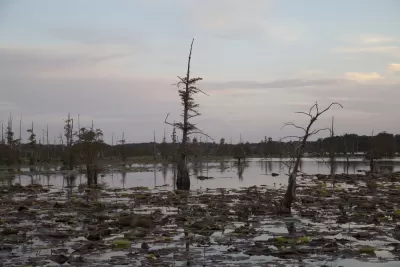
Fire, parasites, and insecticide have all been proposed to deal with a plague of tiny translucent bugs currently plaguing the Louisiana coast. The bugs are a previously unknown entity. According to Darryl Fears, reporting in The Washington Post, "entomologist Rodrigo Diaz said researchers only recently discovered the foreign family of insects to which the invasive species belongs, called Aclerdidae, which is native to Japan and China." The marshes that the bugs are consuming serve an important purpose. "The Louisiana cane is crucial to staving off land loss. It builds soil in an area that lost 250 square miles of coast to erosion and sinking land over about a half century," writes Fears.
All strategies for dealing with this plague of bugs carry their own risks, according to Fears. "An idea for a controlled burn is derived from China, where blazes are set in marshes to get rid of the swarm. But fire can spread, and the Louisiana coast has a network of oil and gas wells that could explode in flames."
Read the full story: Louisiana’s coast was already sickly. Now it’s being hit by a plague

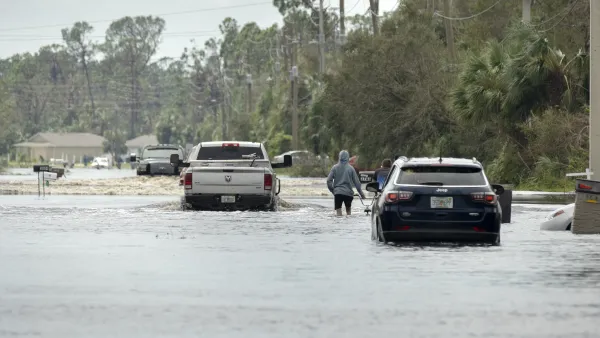
Courts order EPA to release billions in climate grants
The grants primarily funded projects aimed at Black, low-income and disadvantaged communities.
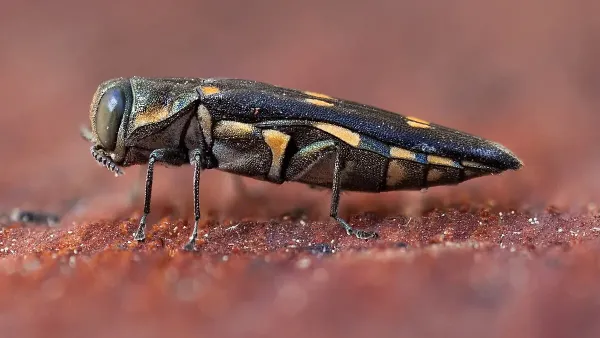
Southern Californians Survey Trees for Destructive Oak Pest
Hundreds of volunteers across five counties participated in the first Goldspotted Oak Borer Blitz, surveying oak trees for signs of the invasive beetle and contributing valuable data to help protect Southern California’s native woodlands.
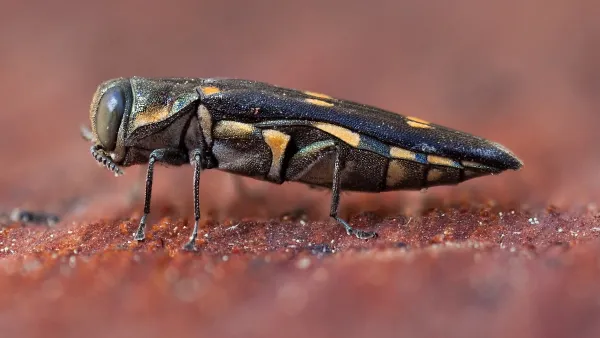
Help Stop the Beetle Killing Southern California’s Oak Trees
Claifornia residents can join a volunteer “blitz” this June to help detect and map infestations of an invasive beetle that is killing thousands of oak trees across Southern California.

Planetizen Federal Action Tracker
A weekly monitor of how Trump’s orders and actions are impacting planners and planning in America.

Amtrak, CN end decades-long dispute with eight-year agreement
The new operating agreement establishes an updated framework for the companies to work together, including processes to resolve disputes.

Judges permit Denver to divert 77,000 acre feet from the Colorado River for reservoir expansion
Overuse and climate change have caused the Colorado River’s water levels to plummet.

NYC DOT wants faster, more permanent street upgrades
The city is examining ways to build more concrete infrastructure without getting entangled in 'decades-long' projects.

'Something we’ve never seen before:' rising utility rates could strain city finances nationwide
Data centers, climate change and other factors have caused utility rates in the United States to increase by 38% since 2020.

Trump to overrule local leaders, lease millions of acres of America’s Pacific Island territories’ seafloors to mining companies
International law says that the Indigenous people of America’s territories have a right to prior and informed consent regarding projects that impact their countries.

FREE Course: Walkable City 1: Why Walkability?
After describing his path towards focusing on walkability as the essence of good planning, Jeff Speck marches through his five principal reasons for making more walkable places.
Reinventing Malls: Planning Alchemy—Turning Gray Fields Into Gold
The course focuses on the opportunities and imperatives that shape reinvention of mall sites.

Harvard University Graduate School of Design
KFH Group Inc.
Greater Baltimore Committee
The Architects Foundation
University of Cincinnati Online
The Pocatello Development Authority
The Urban Renewal Agency of the City of Pocatello