Research from Brookings identifies metro areas with economies that are not only growing, but growing in an equitable way. The list is short, but may offer some insights.



The economy can look very different depending on where you're standing. Richard Shearer and Alan Berube write, "inclusive growth occurs when all segments of society share in the benefits of economic growth [...] recent failures to achieve inclusive growth, especially in advanced economies like Europe and the United States, helps to explain the political and societal divisions they increasingly face."
According to data from the Brookings Metro Monitor, inclusive growth is hard to achieve these days. "Measured one way—by improving the employment rate, median earnings, and relative poverty—only 11 of the 30 [most prosperous] metro areas achieved inclusive economic outcomes: Albany, Austin, Charleston, Columbus, Dayton, Denver, Oklahoma City, Omaha, San Antonio, Tulsa, and Worcester."
The piece lists some characteristics of more inclusive urban economies. "These patterns indicate a 'high-road' economic development strategy that prioritizes both high-skilled, innovative sectors like technology and middle-skill traded sectors like manufacturing and logistics can facilitate inclusive growth."
FULL STORY: The surprisingly short list of U.S. metro areas achieving inclusive economic growth

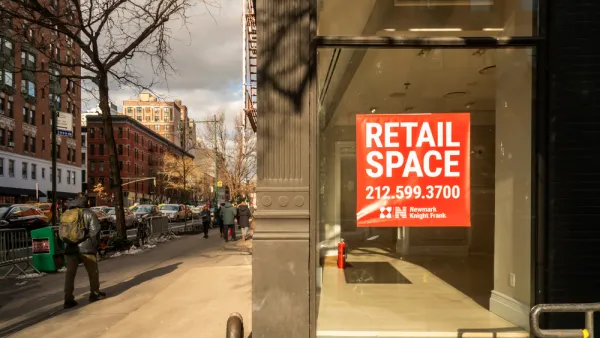
Pandemic-Era Economic Growth in Metropolitan Areas
The world has gone through three turbulent years of Covid-19. The Brookings Institution continues its analysis of inclusive economic growth in 192 metropolitan areas in the U.S. during this period with the publication of Metro Monitor 2023.
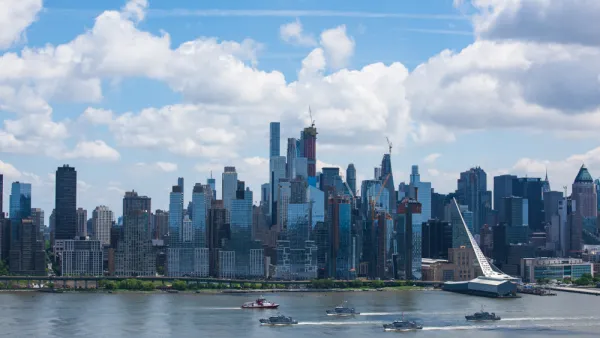
Metro Monitor 2020 Report Identifies Uneven Growth Around the United States
A record period of U.S. economic prosperity has reshaped the economy of the U.S., in particularly obvious patterns at the metropolitan level. A new Brookings report details the way metro areas have changed.
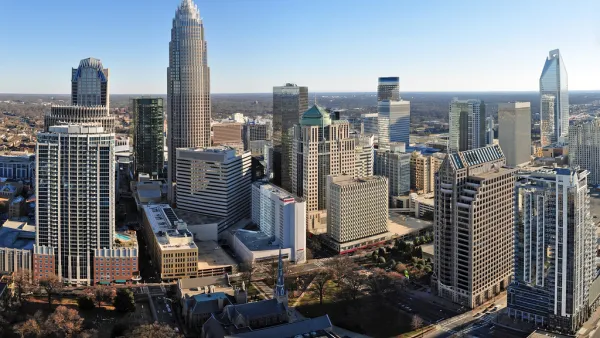
Understanding North Carolina's Urban-Rural Divide
North Carolina cities are thriving, but rural counties are not experiencing the same level of growth. Still, residents in rural areas say the numbers do not necessarily capture the whole picture.

The state-sanctioned urbicide of Austin
People don’t kill cities. Freeways do.

US to reduce Colorado River water deliveries to Mexico
A new Colorado Treaty amendment reduces Mexico’s Colorado River water allocation by 250,000 acre feet.

New Jersey’s second-largest city bans standalone data centers
Jersey City will continue to allow co-location facilities, such as those meant for research institutions that store their own data.

Amtrak not solely to blame for New Jersey commuter rail's unreliability, report finds
A new study from the Garden State Initiative found that NJ Transit’s budget grew 20% across a 4 year period, but reliability declined significantly over the same period.

EPA erases limits on planet-warming pollution from power plants
Under Monday’s plan, power plants would still have some limits on how much mercury, arsenic and other contaminants they can emit.

Phoenix announces new on-demand transit service, more frequent RAPID buses
Both new services will launch in October, and are part of Phoenix's Project Effective Access Solutions for Easing Congestion.

FREE Course: Walkable City 1: Why Walkability?
After describing his path towards focusing on walkability as the essence of good planning, Jeff Speck marches through his five principal reasons for making more walkable places.
Reinventing Malls: Planning Alchemy—Turning Gray Fields Into Gold
The course focuses on the opportunities and imperatives that shape reinvention of mall sites.

Eagle County Government
Harvard University Graduate School of Design
Nashville Planning Department
The Architects Foundation
University of Cincinnati Online
The Pocatello Development Authority
The Urban Renewal Agency of the City of Pocatello
Journal of the American Planning Association