Donald Trump rode waves of anti-urban sentiment to the White House. But is some city smugness forgivable if urban economies subsidize rural places?


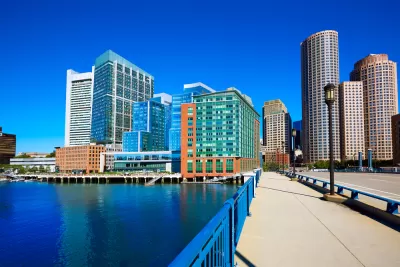
"A political backlash against cities is brewing, and it might have been expected, given the last several years of urban triumphalism." In response to that edgy column by Ross Douthat in the New York Times, Renee Loth counters that cities are still under-prioritized in many ways.
For one thing, urban areas often contribute more to the pot than they get, and that'll only worsen under Trump policies. "[...] urban tax dollars are already subsidizing rural counties. A disproportionate amount of federal dollars flow to mostly rural states, while richer states with large urban centers pay more in taxes than they receive in federal benefits."
Loth concludes, "If Douthat and friends want to redistribute the wealth, why not call for a guaranteed minimum wage, or free college and vocational tuition — or adjust tax rates so the rich pay their fair share, wherever they might live?"
Read the full story: Can the cities survive Trump?
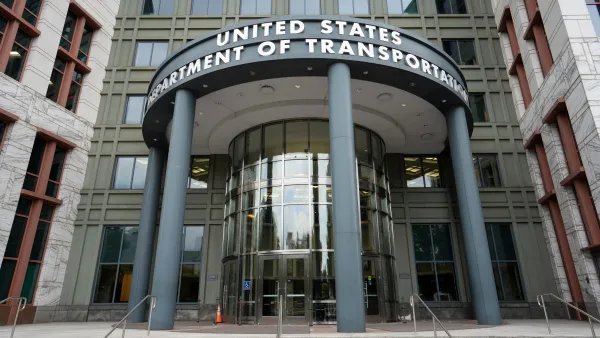
Federal Judge Rules Trump Can’t Tie Transportation Funding to Immigration Policy
The judge said the administration did not offer “any plausible connection” between transportation projects and immigration enforcement.
January Must-Reads: Top 10 Articles From Last Month
How a tidal wave of potential changes at the federal level could throw many programs planners depend on into chaos, a roundup of last year’s zoning stories, and the continuing ripple effects of a landmark Supreme Court case.
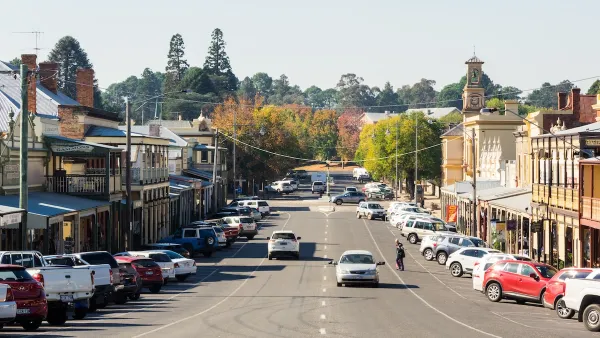
The Importance of Rural Transit
On Transit Equity Day, reminding policymakers that rural communities need access to transit too.

Planetizen Federal Action Tracker
A weekly monitor of how Trump’s orders and actions are impacting planners and planning in America.

Eastern Nebraska is running out of electricity
Data centers and electrification are straining eastern Nebraska’s grid, throttling economic development.

Study reveals best places in the U.S. for cycling, walking
New research from Streetlight Data examines bicycle and pedestrian miles per capita in the 100 largest U.S. cities by population.

Federal government nominates new FTA administrator
Mark Aesch is currently the founder and CEO of a transportation management consulting firm.

Developers reveal $10 billion stadium plan as ‘Hail Mary’ to keep Bears in Chicago
The plan would also boast a public park, high- and mid-rise buildings and a youth sports complex.

As Texas embraces carbon storage, a Black community questions the risks
Texas now issues permits for companies to store carbon dioxide underground. East Texas residents fear safety risks, and skeptics doubt the climate benefits.

FREE Course: Walkable City 1: Why Walkability?
After describing his path towards focusing on walkability as the essence of good planning, Jeff Speck marches through his five principal reasons for making more walkable places.
Reinventing Malls: Planning Alchemy—Turning Gray Fields Into Gold
The course focuses on the opportunities and imperatives that shape reinvention of mall sites.

City of Rosemead
Rutgers University, Edward J. Bloustein School of Planning and Public Policy
One Hundred Miles
University of Michigan School for Environment and Sustainability (SEAS)
Hunter College, City University of New York (CUNY)
The Architects Foundation
City of Cambridge
The Pocatello Development Authority
The Urban Renewal Agency of the City of Pocatello