To better advocate for the kind of walking and biking infrastructure it wants to see in a regional trail network, the Capital Trails Coalition has set out to define the components of a high-quality trail.



Bryan Barnett-Woods reports on an effort by the Capital Trails Coalition to identify and adopt consistent criteria for the evaluation of trails in the D.C. region.
"When the understanding of what a trail is varies, it's hard to create a true regional network that people of all abilities are comfortable using," explains Barnett-Woods of the problem facing active transportation advocates in the region. To better promote the creation of a regional network of trails, Capital Trails Coalition first laid out criteria for the components of a high-quality trail.
Barnett-Woods list the criteria, with more detail in the article to describe each point:
- Be separate from automobiles
- Be wide
- Have paved or hard surfaces
- Connect to other trails or destinations
- Accommodate both transportation and recreation
- Be a project that’s realistic to build now or sometime soon
- Follow uniform design standards
Read the full story: Not all trails are created equal. Here’s how to tell the gold standard from the imitators


Cycling Rates Remain High Across the Country
The bike boom that began during the pandemic shows no signs of abating, according to a new report.
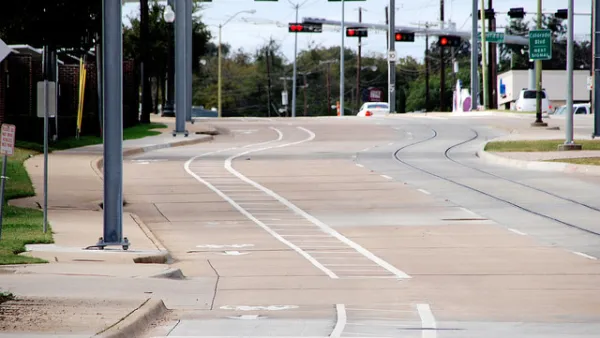
Dallas Makes First-Ever Annual Commitment to its Bike Lane Program
Dallas is making new commitments to alternative transportation options—the latest example is found in a budget expenditure for several bike lane projects.

Bikelash Wins in Phoenix
Neighborhood opposition overwhelmed a plan to reduce the number of vehicles lanes on North Central Avenue to make space for a new bike lane, despite evidence of the benefits of the proposed street reconfiguration.

Planetizen Federal Action Tracker
A weekly monitor of how Trump’s orders and actions are impacting planners and planning in America.

Amtrak, CN end decades-long dispute with eight-year agreement
The new operating agreement establishes an updated framework for the companies to work together, including processes to resolve disputes.

Northwest rail fans eager for Sept. 30 debut of Amtrak’s Airo fleet
Get ready for that new train smell and more seats. But they won’t go faster or run more frequently on the Cascades route in Washington and Oregon.

Brightline Florida files for bankruptcy
The transit company is over $5 billion in debt.

St. Louis Metro to test if single-car trains can reduce operating costs, maintain rider satisfaction
The pilot program will run from October to spring 2027, and begin with one single-car train operating on Metrolink’s Red and Blue lines.

Pennsylvania is building data centers in abandoned mines
Housing data centers in mines provides an alternative to destroying local forests and may spare residents from data centers’ noise and air pollution.

FREE Course: Walkable City 1: Why Walkability?
After describing his path towards focusing on walkability as the essence of good planning, Jeff Speck marches through his five principal reasons for making more walkable places.
Reinventing Malls: Planning Alchemy—Turning Gray Fields Into Gold
The course focuses on the opportunities and imperatives that shape reinvention of mall sites.

City of Thousand Oaks
City of Wisconsin Rapids
Harvard University Graduate School of Design
The Architects Foundation
University of Cincinnati Online
The Pocatello Development Authority
The Urban Renewal Agency of the City of Pocatello