Self-storage buildings are multiplying across New York City, where local officials would prefer to protect and grow the city's base of manufacturing and industrial jobs.


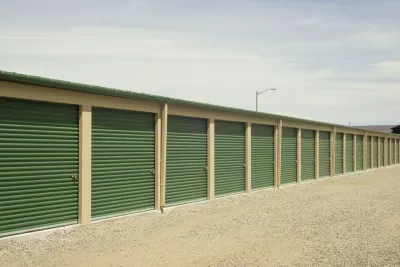
Winnie Hu reports on a proposed land use regulation in New York City that would require a special permit for self-storage sites. "The permit proposal requires the approval of the City Planning Commission and the City Council," according to Hu, and if approved, the review process is expected to take about two years to complete.
According to Hu, the city hopes that by limiting the development of self-storage sites, more land will be saved for manufacturing and industry.
Hu's focus on New York's proposed regulatory change, however, comes against the backdrop of the skyrocketing growth of the self-storage industry around the country. New York City's self-storage facilities lag the rest of the country. New York has 240 self-storage buildings, including about 60 that have opened in the last decade writes Hu. That amounts to "an average of 3.5 square feet per person compared with 7.2 nationally."
Other cities have taken an aggressive approach to limit self-storage facilities, according to Hu. "Miami clamped down on new self-storage buildings after they popped up on main commercial corridors, taking space away from restaurants, stores and gyms," and "Charleston, S.C., tightened its oversight of self-storage developments after half-a-dozen new ones were proposed in the past year."
FULL STORY: Self-Storage Offers Space for Stuff. But It Gobbles Up Space.

Kicking Commercial-to-Residential Conversions Into High Gear
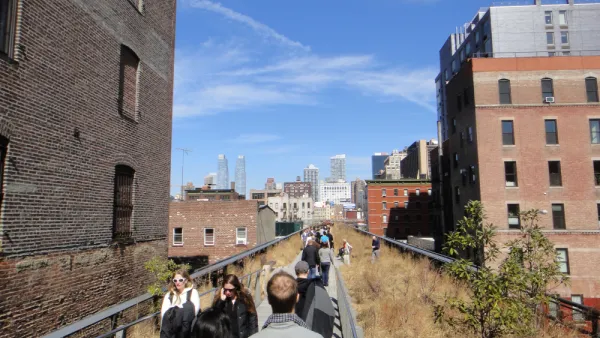
A plan included in New York Gov. Andre Cuomo's draft 2022 budget will make it easier to do adaptive reuse for new housing in New York City.
Report: 'Racialized Displacement' Followed Rezonings in New York City
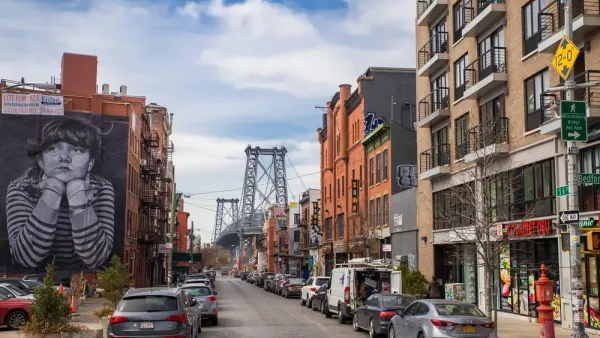
The rezonings in question occurred during the Bloomberg administration, but advocates are seizing on the relevance of that experience to the rezonings of the de Blasio administration.
Op-Ed: SoHo and NoHo Need a Zoning Overhaul
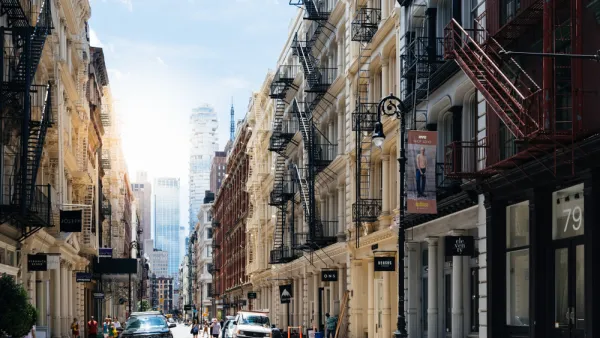
Two SoHo residents argue that outdated zoning holds the Manhattan neighborhoods back, requiring special permits or variances for many current residential and commercial uses.

Planetizen Federal Action Tracker
A weekly monitor of how Trump’s orders and actions are impacting planners and planning in America.

The state-sanctioned urbicide of Austin
People don’t kill cities. Freeways do.

US to reduce Colorado River water deliveries to Mexico
A new Colorado Treaty amendment reduces Mexico’s Colorado River water allocation by 250,000 acre feet.

Mamdani overhauls NYC's Vision Zero plan with 100 new policy goals
The overhaul aims to reduce traffic deaths and make streets safer for pedestrians, cyclists and drivers through lower speed limits, new safety infrastructure and more.

Amtrak not solely to blame for New Jersey commuter rail's unreliability, report finds
A new study from the Garden State Initiative found that NJ Transit’s budget grew 20% across a 4 year period, but reliability declined significantly over the same period.

EPA erases limits on planet-warming pollution from power plants
Under Monday’s plan, power plants would still have some limits on how much mercury, arsenic and other contaminants they can emit.

FREE Course: Walkable City 1: Why Walkability?
After describing his path towards focusing on walkability as the essence of good planning, Jeff Speck marches through his five principal reasons for making more walkable places.
Reinventing Malls: Planning Alchemy—Turning Gray Fields Into Gold
The course focuses on the opportunities and imperatives that shape reinvention of mall sites.

Eagle County Government
Harvard University Graduate School of Design
Nashville Planning Department
The Architects Foundation
University of Cincinnati Online
The Pocatello Development Authority
The Urban Renewal Agency of the City of Pocatello
Journal of the American Planning Association