A Forbes contributor provides analysis of how much states stand to lose if the Trump Administration succeeds in cutting funding for the Community Development Block Grants program.



Erik Sherman reports on the potential impact to the Community Development Block Grant (CDBG) program should cuts proposed by the Trump Administration's budget "blueprint" gain approval.
While much of the social media outcry following the budget announcement focused on concern for Meals on Wheels programs (concerns Sherman says were misplaced in a separate article), the underreported consequence of cuts to CDBG could impact every state in the country.
CDBG is a series of block grants made to states and municipalities. Local organizations parcel out the funds, which are integral to the operation of many community-based non-profits. They include local groups that provide meals to seniors, daycare centers for people of low income (many local Head Start programs, for example), network revitalization, economic development, infrastructure and public services, and more. Is there waste? Perhaps. Is there good done? From what I've seen, yes.
Sherman does his own analysis (in lieu of the Trump Administration undertaking the same effort) to figure out the total grants made to entities in each state, and calculated the CDBG funding per capita in each. A few findings from those results: cuts to the CDBG program would affect populous states the most.
Read the full story: Trump Community Development Block Grant Cut Would Affect Millions


Sacramento Streetcar Faces Uncertain Future Due to Trump Budget
The president's Fiscal Year 2019 Budget cuts the critical Capital investment Grants program run by the Federal Transit Administration. Projects lacking a full-funding grant agreement, like the Sacramento Streetcar, may fall victim.

Trump's 25-Cent Infrastructure Tax?
During a closed-door meeting Wednesday with Democratic and Republican lawmakers, President Trump endorsed hiking the gas tax by 25-cents per gallon to help pay for the $200 billion investment and restore solvency to the Highway Trust Fund.
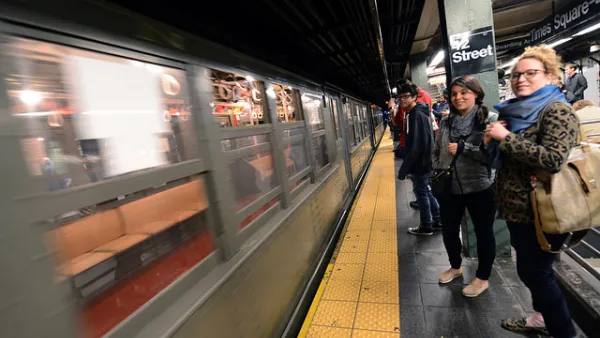
Omnibus Spending Bill Will Save Transit Grant Programs—for Five Months*
Congress passed a $1.1 trillion omnibus spending bill to keep the government operating through September that also restores funding to transportation programs that the president had eliminated or greatly reduced. Trump signed the bill Friday.

Planetizen Federal Action Tracker
A weekly monitor of how Trump’s orders and actions are impacting planners and planning in America.

The state-sanctioned urbicide of Austin
People don’t kill cities. Freeways do.

US to reduce Colorado River water deliveries to Mexico
A new Colorado Treaty amendment reduces Mexico’s Colorado River water allocation by 250,000 acre feet.

Nation's most wind-powered state turns to coal as data centers increase energy demand
For the first time in decades, Iowa has increased its generation of coal power.

NYC cools commuters with city's first rain garden above a bus stop
New York City officials say the plants in the rain garden can absorb 16 gallons of rainwater during heavy storms.

Brightline West’s future may rely on $6 billion federal loan
The company has until Nov. 2 to make a $400 million equity investment into its proposed high-speed rail line.

FREE Course: Walkable City 1: Why Walkability?
After describing his path towards focusing on walkability as the essence of good planning, Jeff Speck marches through his five principal reasons for making more walkable places.
Reinventing Malls: Planning Alchemy—Turning Gray Fields Into Gold
The course focuses on the opportunities and imperatives that shape reinvention of mall sites.

Greater Baltimore Committee
Eagle County Government
Harvard University Graduate School of Design
The Architects Foundation
University of Cincinnati Online
The Pocatello Development Authority
The Urban Renewal Agency of the City of Pocatello
Journal of the American Planning Association