Concerns about affordability and cultural identity are emerging in Mexican-American and African-American neighborhoods in Tucson.


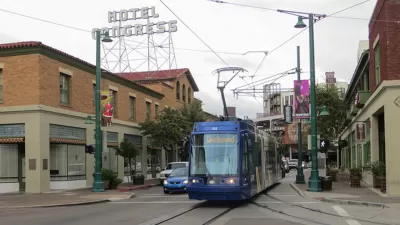
Brenna Bailey examines the gentrification occurring in Tucson, Arizona, presenting the dynamics as more complex than the most common narratives about displacement and urban revitalization. Notably absent is the typically heated and contentious rhetoric of gentrification conversations in other cities.
Bailey calls on Kelly Smith, a housing affordability analyst at the University of Arizona’s Drachman Institute, to make the point of gentrification isn't as common or as broad as some might assume. Moreover, according to case made by multiple sources in the article, Tucson is probably not going to experience the same kind of negative outcomes from gentrification as one might find in Austin, Brooklyn, or San Francisco.
Yet people in Tucson are still concerned about affordability in neighborhoods like Menlo Park and Dunbar/Spring.
Read the full story: Downtown Tucson Gentrification Presents Complexities
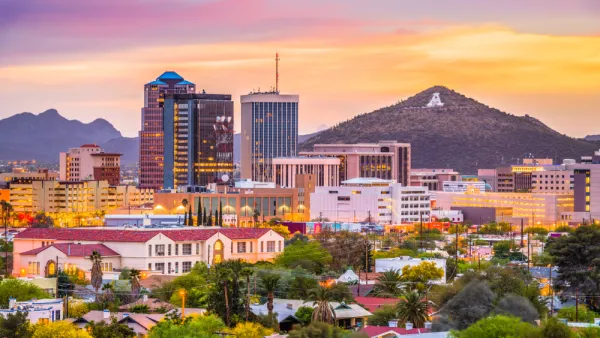
Tucson Development Boom Threatens Displacement of Longtime Residents
Median rent in Tucson rose by 30 percent since a year ago, prompting fears of displacement among many residents struggling to afford housing.
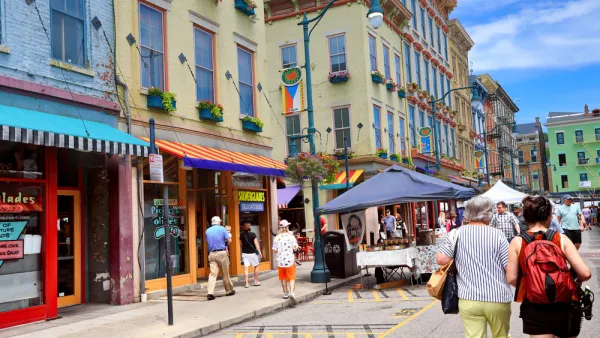
Black Residents Leaving Cincinnati's Fast Growing Urban Area
The housing market in the neighborhood of Over-the-Rhine is a 'segregation machine.'
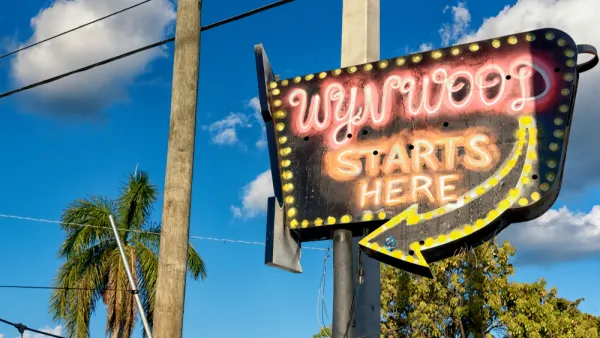
Revitalization Without Displacement: A New Model From Miami
Upzonings in working class neighborhoods usually provoke political opposition based on concerns about gentrification and displacement. But the new Wynwood Norte Neighborhood Revitalization District in Miami might have worked for a solution.

Planetizen Federal Action Tracker
A weekly monitor of how Trump’s orders and actions are impacting planners and planning in America.

California plans to bury El Niño’s downpour
If the state plays its cards right, it may be able to store a billion acre-feet of El Niño’s water in aquifers.

Desperate measures: Advocates weigh draining Lake Powell to fill Colorado River
Draining the reservoir could reduce evaporation losses by a couple hundred thousand acre-feet.

US buildings threatened, destroyed by fires set to triple by 2060
Researchers found a high fire risk for socioeconomically vulnerable neighborhoods in the American West.

LA residents may be allowed to paint their own crosswalks
Councilwoman Katy Yaroslavsky put out a motion instructing the Los Angeles Department of Public Transportation to study the feasibility of allowing volunteers to paint crosswalks.

Dallas moves to overhaul its zoning code
The city's zoning reform will allow more multi-family and mixed-use developments.

FREE Course: Walkable City 1: Why Walkability?
After describing his path towards focusing on walkability as the essence of good planning, Jeff Speck marches through his five principal reasons for making more walkable places.
Reinventing Malls: Planning Alchemy—Turning Gray Fields Into Gold
The course focuses on the opportunities and imperatives that shape reinvention of mall sites.

City of Rosemead
Rutgers University, Edward J. Bloustein School of Planning and Public Policy
One Hundred Miles
Hunter College, City University of New York (CUNY)
The Architects Foundation
University of Cincinnati Online
City of Cambridge
Montrose County
The Pocatello Development Authority