In order to stop new development in areas previously consumed by forest fires, Spanish firefighters are using a little known law that prohibits new building's within a 500 meter (0.3 miles) radius of a cemetery.



Peter Walker of The Independentreports that Spanish firefighters have taken a new tack to preserve former forest lands from being overrun with new development by creating empty cemeteries. Following a 2015 law that allowed new development to occur in burned out areas two years after a fire, the Spanish Forest Firefighters National Association (ANBF) started a campaign to protect the areas and to reduce further deforestation in the country. ANBF has taken advantage of Article 50 of Spain's Cemetery Law, which prohibits the construction of new buildings with 300 meters of a cemetery. The campaign is encouraging city councils to protect burned forest land by building faux-cemeteries on the sites.
ANBF spokesman Iñigo Hernandez tells The Independent that the organization hopes the campaign will help to reduce the intentional setting of fires across the country, which between 2000 and 2012 saw forest area twice the size of Luxembourg lost to fire.
Read the full story: Spanish firefighters are trying to build 'fake graveyards' to stop urban sprawl

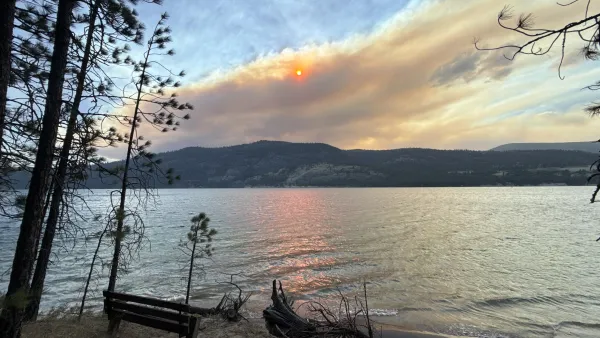
One month of wildfires has cost Washington state over $200 million
Washington’s fire season lasts through October.
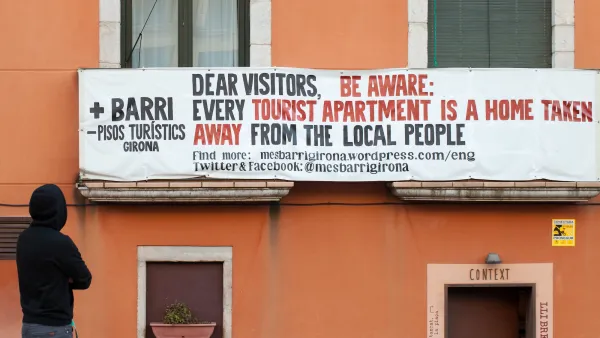
Spain Fines Airbnb $75 Million After Crackdown on Unlicensed Rentals
The government took action after residents in tourist centers protested, blaming tourist rentals for a growing housing crisis.

Spain Moves to Ban 66,000 Airbnbs
The national government is requiring the short-term rental operator to remove thousands of illegal listings from its site as part of an effort to stem a growing housing crisis.

Planetizen Federal Action Tracker
A weekly monitor of how Trump’s orders and actions are impacting planners and planning in America.

The state-sanctioned urbicide of Austin
People don’t kill cities. Freeways do.
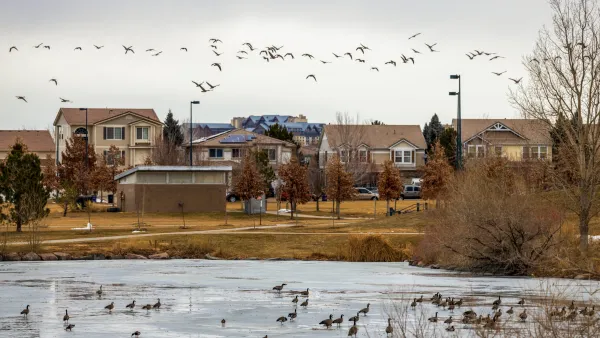
Colorado’s Largest Data Center Could Rise Next to Homes — Without a Public Hearing
The proposed campus would consume 11 times the power of Denver International Airport; as it has across the country, opposition mounts.
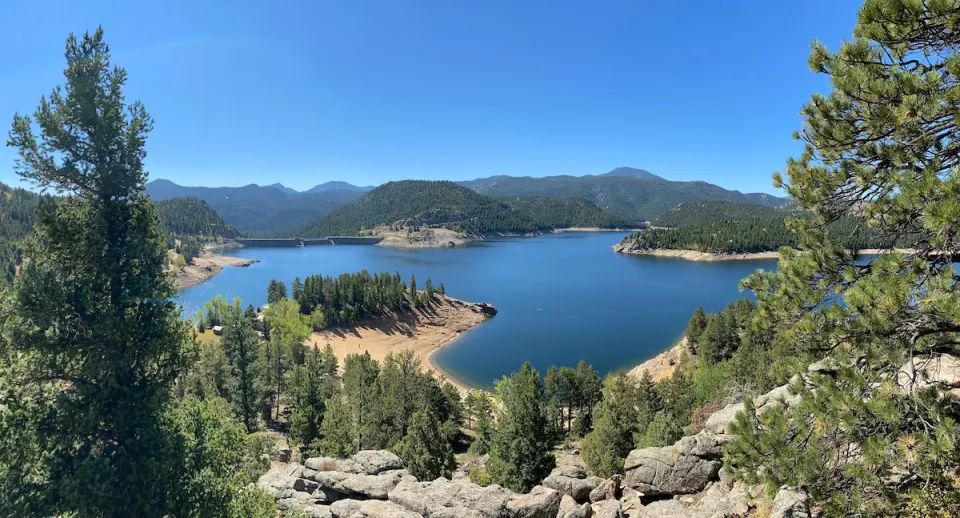
Judges permit Denver to divert 77,000 acre feet from the Colorado River for reservoir expansion
Overuse and climate change have caused the Colorado River’s water levels to plummet.

Amtrak, CN end decades-long dispute with eight-year agreement
The new operating agreement establishes an updated framework for the companies to work together, including processes to resolve disputes.

Raised interest rates may kill financially vulnerable construction projects
The chief economist at ConstructConnect warns that if construction project owners are negatively impacted by the raised rates, it could result in delayed payments to contractors.

FREE Course: Walkable City 1: Why Walkability?
After describing his path towards focusing on walkability as the essence of good planning, Jeff Speck marches through his five principal reasons for making more walkable places.
Reinventing Malls: Planning Alchemy—Turning Gray Fields Into Gold
The course focuses on the opportunities and imperatives that shape reinvention of mall sites.

KFH Group Inc.
Greater Baltimore Committee
Eagle County Government
The Architects Foundation
University of Cincinnati Online
The Pocatello Development Authority
The Urban Renewal Agency of the City of Pocatello