A CityLab interview with Transportation Secretary Anthony Foxx, who served in the position since 2013 during some of the most frantic technological innovation in transportation since the dam of the age of the automobile.


Laura Bliss sat down recently for an interview with Anthony Foxx, the former mayor of Charlotte, North Carolina who has served as secretary of the U.S. Department of Transportation since June 2013.
Before the interview, Bliss notes how the pace of transportation technology innovation has defined Foxx's tenure, with Foxx working to position the Department of Transportation as an active participant in the evolving landscape.
Foxx brought DOT to the table. Working closely with industry innovators, his agency devised the world’s first national AV safety policy—a comprehensive guidance that earned praise for its flexibility as technology keeps up its breakneck speed. Foxx, formerly the mayor of Charlotte, North Carolina, also looped cities into the conversation about 21st-century mobility: The $50 million Smart Cities Challenge fostered a national network of local leaders exchanging tactics to transport citizens through tech-ified, data-driven means.
The interview allows Secretary Foxx to speak in his own words about the work he's hoping to accomplish in the remaining days of the Obama Administration, examples of the "defining narratives" of transportation technology in recent years, the Obama Administration's focus on transportation equity, and more.
FULL STORY: Anthony Foxx, the Great Connector


Five Years Later, 'Smart Cities Challenge' Promise Unfulfilled
The "Smart Cities Challenge" paid Columbus, Ohio $50 million to kick start a revolution of urban technology. The revolution never arrived, according to a recent assessment by Wired writer Aarian Marshall.
A Call for a New Approach to Federal Transportation Policy
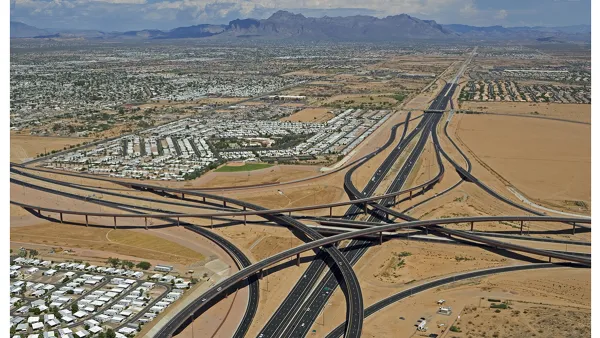
According to this blog post, federal transportation policies are misdirected, inconsistent, and destructive. A comprehensive overhaul of federal transportation policy is necessary.
Financing of Hudson River Rail Tunnels in Peril
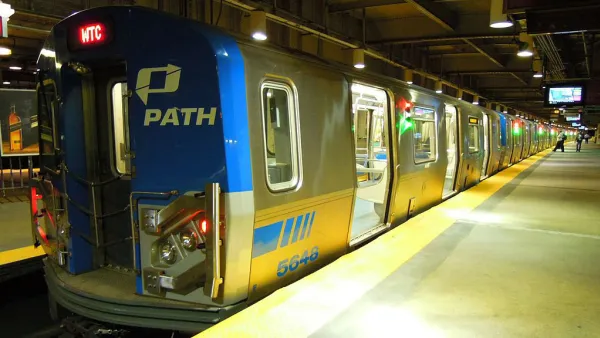
A funding agreement between New York, New Jersey, and the U.S. DOT for one of the most important rail projects in the nation is in danger of collapsing because of the way the two states are financing their share of the $12.9 billion cost.

The state-sanctioned urbicide of Austin
People don’t kill cities. Freeways do.

US to reduce Colorado River water deliveries to Mexico
A new Colorado Treaty amendment reduces Mexico’s Colorado River water allocation by 250,000 acre feet.

New Jersey’s second-largest city bans standalone data centers
Jersey City will continue to allow co-location facilities, such as those meant for research institutions that store their own data.

Amtrak not solely to blame for New Jersey commuter rail's unreliability, report finds
A new study from the Garden State Initiative found that NJ Transit’s budget grew 20% across a 4 year period, but reliability declined significantly over the same period.

EPA erases limits on planet-warming pollution from power plants
Under Monday’s plan, power plants would still have some limits on how much mercury, arsenic and other contaminants they can emit.

Phoenix announces new on-demand transit service, more frequent RAPID buses
Both new services will launch in October, and are part of Phoenix's Project Effective Access Solutions for Easing Congestion.

FREE Course: Walkable City 1: Why Walkability?
After describing his path towards focusing on walkability as the essence of good planning, Jeff Speck marches through his five principal reasons for making more walkable places.
Reinventing Malls: Planning Alchemy—Turning Gray Fields Into Gold
The course focuses on the opportunities and imperatives that shape reinvention of mall sites.

Eagle County Government
Harvard University Graduate School of Design
Nashville Planning Department
The Architects Foundation
University of Cincinnati Online
The Pocatello Development Authority
The Urban Renewal Agency of the City of Pocatello
Journal of the American Planning Association