With an estimated housing gap of 7,500 units and an apartment vacancy rate of 2 percent, Salt Lake City needs to do more to address an affordable housing shortage, advocates say.


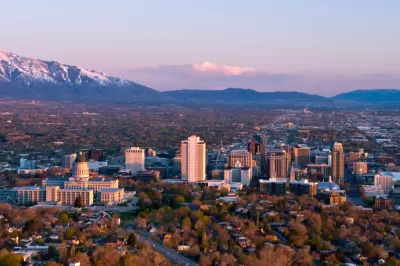
The Salt Lake City City Council has earned the praise of housing advocates for dedicating $30 million in its most recent budget for homeless and affordable housing issues, however they say more needs to be done. Advocates say that minorities, minimum-wage workers and the disabled, among others, are being forced out of the city due to a lack of affordable housing options. Tony Semerad of The Salt Lake Tribune reports that in response, Mayor Jackie Biskupski and the City Council are looking at a number of potential solutions.
Council members, he said, are eyeing quick action on funding a voucher-assistance program, potentially run through the city's Housing Authority and designed to help keep financially struggling residents in their homes.
The council may also approve incentives for developers with housing projects already under construction, offering them cash or land discounts to boost their affordable units.
Housing advocates are seeking a long term solution that involves taking an $80 million tax levy to voters with the goal of developing new housing for low wage workers.
Read the full story: Advocates sound the call to action: Salt Lake City needs more affordable housing — now
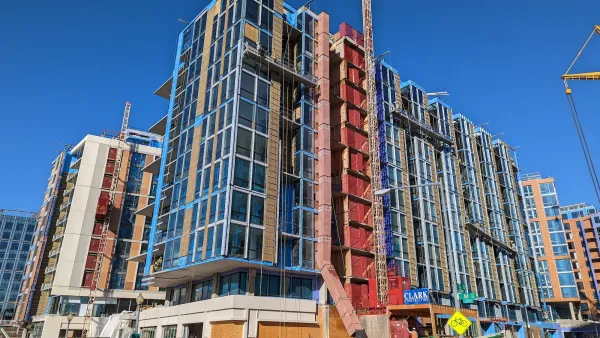
Analysis: DC needs tens of thousands of new homes — not just 'zoned capacity'
Estimates for Washington DC's housing needs range from 15,000 to 170,000.
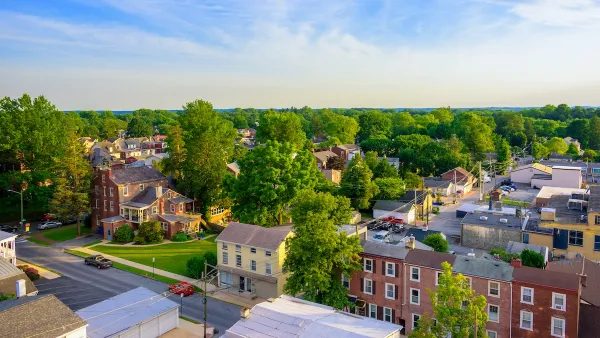
Pennsylvania Short Over 100,000 Housing Units
More Pennsylvanians are renting instead of buying, even as the state makes significant strides to increase the affordable housing supply.
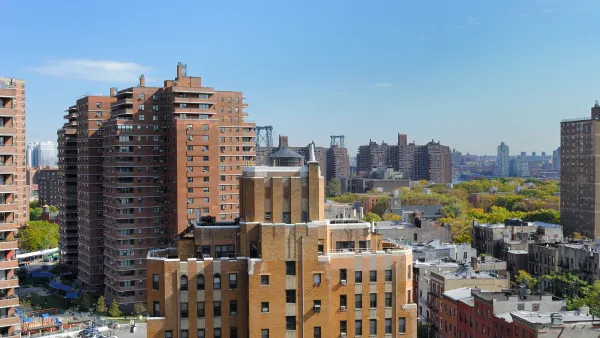
Study: Housing Crisis is About Affordability, not Supply
New research shows that there is no overall shortage of housing units, but all U.S. metropolitan areas face a severe lack of affordable units for low-income renters.

Planetizen Federal Action Tracker
A weekly monitor of how Trump’s orders and actions are impacting planners and planning in America.

California plans to bury El Niño’s downpour
If the state plays its cards right, it may be able to store a billion acre-feet of El Niño’s water in aquifers.

Desperate measures: Advocates weigh draining Lake Powell to fill Colorado River
Draining the reservoir could reduce evaporation losses by a couple hundred thousand acre-feet.

Mamdani’s pied-à-terre tax survives legal challenge
A panel of judges found that the plaintiffs failed to demonstrate injury as a result of New York City's implementation of the tax.

Eastern Nebraska is running out of electricity
Data centers and electrification are straining eastern Nebraska’s grid, throttling economic development.

Seattle passes record-breaking transit services expansion
Proposition 1 will double the city’s transit tax to add 95,000 more bus trips and preserve 180,000 bus trips annually.

FREE Course: Walkable City 1: Why Walkability?
After describing his path towards focusing on walkability as the essence of good planning, Jeff Speck marches through his five principal reasons for making more walkable places.
Reinventing Malls: Planning Alchemy—Turning Gray Fields Into Gold
The course focuses on the opportunities and imperatives that shape reinvention of mall sites.

City of Rosemead
Rutgers University, Edward J. Bloustein School of Planning and Public Policy
One Hundred Miles
University of Michigan School for Environment and Sustainability (SEAS)
Hunter College, City University of New York (CUNY)
The Architects Foundation
City of Cambridge
Montrose County
The Pocatello Development Authority