Voters in Cobb County, Georgia, overwhelmingly prioritized parks and green space back in 2008. Cobb County commissioners', however, are still acting to quell those intentions.


"The Cobb County Board of Commissioners voted 2-3 Tuesday against issuing $24.7 million in park bonds," reports Carolyn Cunningham.
If they had been approved, the "bonds would have been a first step in fulfilling the county’s pledge to fund $40 million in park bonds when this item was approved by 67 percent of Cobb voters on a November 2008 referendum."
The opposing commissioners gave various reasons for their vote, from a reluctance to approve new taxes required to pay off the bonds to a concern about ongoing maintenance and operations costs.
A separate article by Job Gargis provides more details on the commissioners' refusal to issue the bonds—despite the support from two-thirds of county voters during the 2008 referendum that approved the bonds. The original delay in issuing the bonds, back at the time of the voters' approval, was that "the tanking economy would have forced a tax increase to repay the bonds."
An article by Dan Klepal, written before the vote, provides additional context for the commissioners' decision.
Read the full story: Cobb denies $24.7 million for park bonds
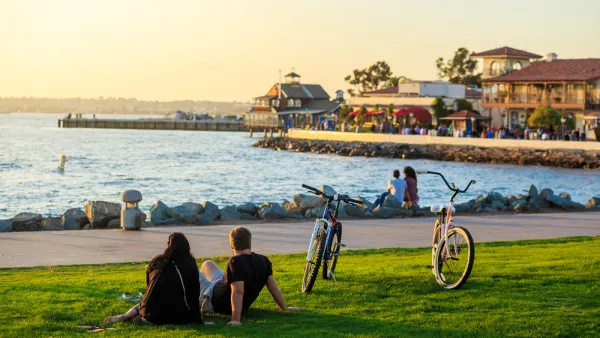
San Diego Planners Want to Reform Park Funding System
The San Diego Planning Department wants to change the system that currently funds improvements to public amenities, facing considerations about the implementation and legality of the proposed alternative.
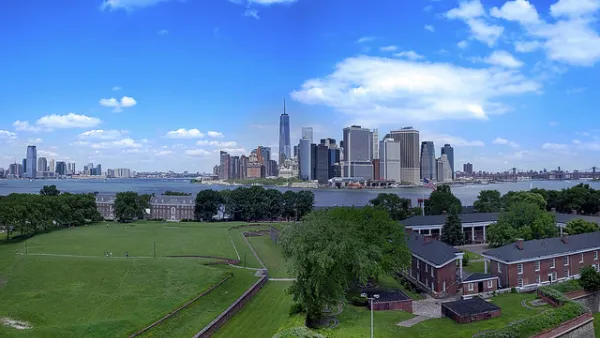
The State of New York City's Parks
A new report by the Center for an Urban Future signals the need for attention to the Big Apple's parks before they are beyond repair.

A Historic Investment in LA County’s Parks and Open Spaces
Los Angeles County has launched its largest-ever competitive grant program, investing $58 million to expand park access, enhance climate resilience, and support community-driven projects in the areas that need them most.

Planetizen Federal Action Tracker
A weekly monitor of how Trump’s orders and actions are impacting planners and planning in America.

Washington state to charge fee to drivers with fuel-efficient cars
Revenue from the fee will go towards supporting the state’s highways.
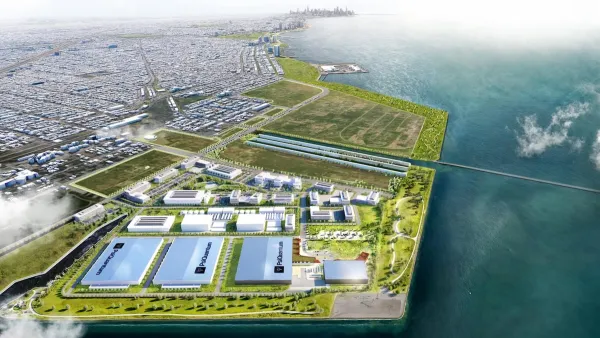
Illinois considers spending $1 billion in taxpayer money on data center
A quantum computing campus and data center are currently under construction in Chicago.

Senate passes bill overhauling permitting
The bill still needs to pass the House.

Did data centers change how voters cast their ballots?
Texas, Ohio, and Georgia all flipped party control. But in rural counties, the effect of local data centers was mixed.

Amtrak invests in eight new Airo trainsets
The new trainsets will begin serving passengers in 2031.

FREE Course: Walkable City 1: Why Walkability?
After describing his path towards focusing on walkability as the essence of good planning, Jeff Speck marches through his five principal reasons for making more walkable places.
Reinventing Malls: Planning Alchemy—Turning Gray Fields Into Gold
The course focuses on the opportunities and imperatives that shape reinvention of mall sites.

City of Charlotte
City of Rosemead
Rutgers University, Edward J. Bloustein School of Planning and Public Policy
University of Michigan School for Environment and Sustainability (SEAS)
Hunter College, City University of New York (CUNY)
The Architects Foundation
University District Partnership