One of the leading skeptics on the economic value of sports and entertainment investments has a caveat: music festivals just might be the ticket.


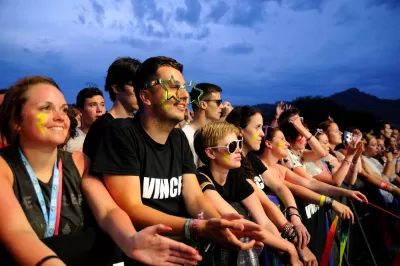
"Economists and public policy experts have been telling us for decades that sports stadiums are a terrible investment for governments to make with taxpayers’ money," according to an article by Alan Ehrenhalt.
Ehrenhalt picks up specifically, and in detail, on the arguments of Jonathan Wynn, who teaches sociology at the University of Massachusetts. Wynn "doesn’t stop at sports arenas," according to the article. "He goes on to argue that virtually all the public entertainment facilities that cities like to invest in -- art museums, aquariums, 'hall of fame' headquarters for this and that -- turn out to be unwise gambles with public money."
Wynn is willing to concede a way for cities to get enough economic development bang for the buck with at least one kind of marquee entertainment investment: music festivals. Examples like Lollapalooza in Chicago and the Electric Daisy Carnival in Las Vegas have proven ability to pump money into the local economy.
Read the full story: For Economic Development Gold, Listen to the Music

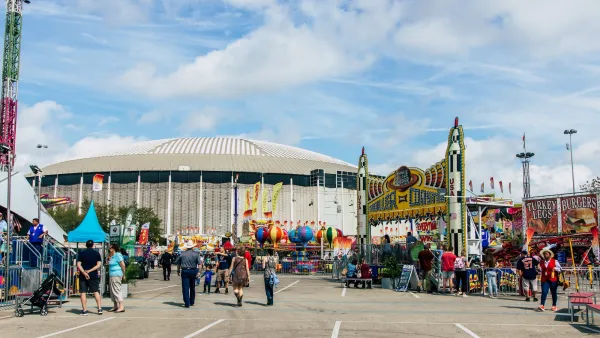
Saving the Houston Astrodome Could Cost $750 Million
Local residents have shown strong support for using public funds to preserve and restore the historic stadium as an entertainment venue.
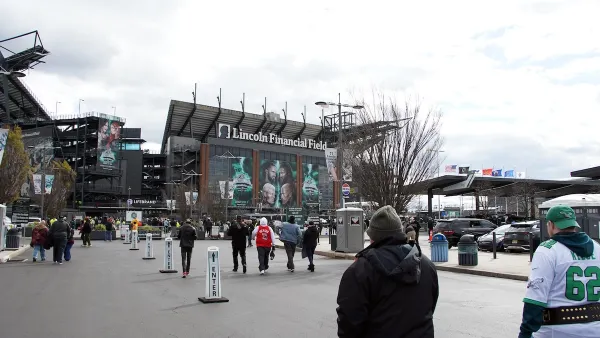
Sports Gambling Company Sponsors Suspended Philly Stadium Train Amidst SEPTA Cuts
After SEPTA announced it would have to cut the subway line that leads to Lincoln Field, FanDuel offered $80k to keep the train running for the season opener.
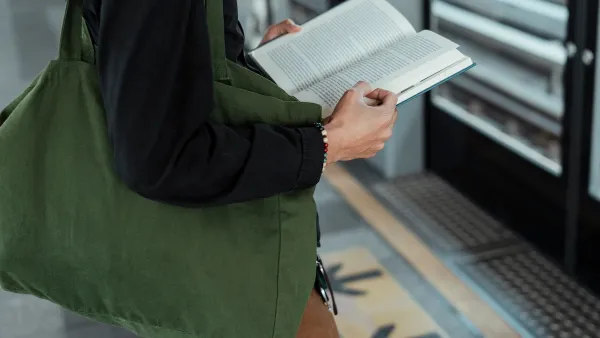
Planetizen’s Top Urban Planning Books of 2024
Top of mind in 2024 were the far-reaching impacts of climate displacement, zoning as a solution to the housing crisis, and the potential for safer roads and better public transit in American cities.

Amtrak, CN end decades-long dispute with eight-year agreement
The new operating agreement establishes an updated framework for the companies to work together, including processes to resolve disputes.

Judges permit Denver to divert 77,000 acre feet from the Colorado River for reservoir expansion
Overuse and climate change have caused the Colorado River’s water levels to plummet.
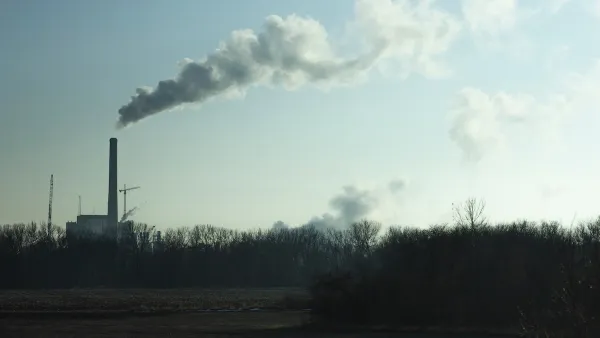
Nation's most wind-powered state turns to coal as data centers increase energy demand
For the first time in decades, Iowa has increased its generation of coal power.

Boston has spent millions making the Green Line more accessible — and there’s no end in sight
While the city has invested millions into expanding and adding platforms to the Green Line to make it more accessible, new train cars set to arrive next year will be too tall for disabled passengers to board without raising the current platforms.

Idaho may see an 18% drop in federal surface transit funding — the largest estimated cut in the US
Transit systems in rural communities are much more reliant on federal funding to provide their services.

How ‘post-disaster gentrification’ alters neighborhoods after natural calamities
After hurricanes, fires or other calamities, the original residents of a community are often replaced by younger, wealthier residents.

FREE Course: Walkable City 1: Why Walkability?
After describing his path towards focusing on walkability as the essence of good planning, Jeff Speck marches through his five principal reasons for making more walkable places.
Reinventing Malls: Planning Alchemy—Turning Gray Fields Into Gold
The course focuses on the opportunities and imperatives that shape reinvention of mall sites.

City of Wisconsin Rapids
Harvard University Graduate School of Design
KFH Group Inc.
The Architects Foundation
University of Cincinnati Online
The Pocatello Development Authority
The Urban Renewal Agency of the City of Pocatello